How Deep Is Deep Sea Fishing: What You Need to Know
You fish deep sea waters when you venture beyond 100 feet, marking the shift from nearshore to offshore zones requiring specialized gear and techniques.
Most recreational trips target depths between 100 and 300 feet, balancing safety and species variety.
Deeper fishing, from 400 up to 1,000+ feet, demands advanced gear and skills for pressure and currents.
Species also vary by depth and season. Explore further to understand how depth influences fishing tactics and species targeting.
Key Takeaways
- Deep sea fishing generally occurs at depths exceeding 30 meters (approximately 100 feet).
- Typical recreational deep sea fishing targets depths between 100 and 300 feet.
- Offshore fishing depths often range from 200 to 400 feet for larger species like grouper and snapper.
- Deep-drop fishing targets species at depths of 400 to over 1,000 feet, requiring specialized gear and skills.
- Depth increases with distance offshore, with 20 miles out reaching about 600 feet and 35+ miles exceeding 1,000 feet.
What Depth Defines Deep Sea Fishing?
Although definitions can vary, deep sea fishing is generally classified by depths exceeding 30 meters (approximately 100 feet).
Deep sea fishing typically begins at depths beyond 30 meters, marking a shift to offshore environments.
This depth serves as the threshold where waters shift from nearshore to offshore environments. When you fish beyond this point, you engage with distinct ecological zones and target species that inhabit hard bottoms or reef structures.
The 100-foot marker also signifies the need for specialized equipment and techniques, differentiating deep sea methods from coastal or inshore fishing.
This classification aids in organizing fishing practices scientifically, ensuring appropriate gear and safety measures.
Understanding this depth boundary helps you accurately categorize fishing trips and adapt strategies based on the environmental and biological conditions unique to these offshore depths.
Many anglers rely on medium-heavy rods and corrosion-resistant reels designed specifically for these offshore environments to handle larger species and deeper waters.
Typical Recreational Fishing Depths
When you head out on a typical recreational deep sea fishing trip, you’ll usually find yourself fishing between 100 and 300 feet deep.
This depth range corresponds to hard bottom and reef structures where species like red snapper, grouper, and amberjack commonly feed.
Most half-day and full-day charters operate within this intermediate zone, adjusting depths seasonally to match fish movements and water temperature changes.
Recreational fishing beyond 100 feet marks the shift from coastal to offshore techniques, requiring specialized equipment.
While beginners and families often target shallower waters around 100-150 feet, experienced anglers pursue deeper zones up to 300 feet.
Captains fine-tune strategies within this range to optimize catch rates, reflecting the balance between species habitat preferences and angler skill level.
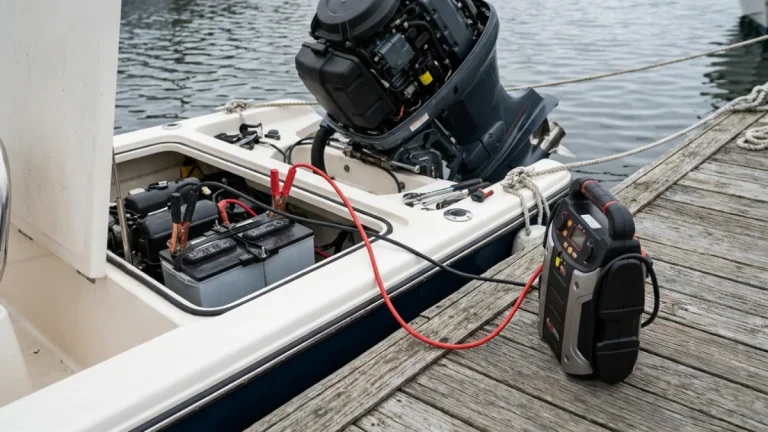
For those venturing into these offshore areas, having reliable emergency assistance options like Sea Tow or BoatUS can significantly enhance safety and response times.
Why Distance Offshore Matters for Deep Sea Fishing Depth?
Understanding the typical depth ranges for recreational fishing sets the stage to examine how distance offshore directly influences these depths.
As you travel farther from shore, water depth increases due to the continental shelf’s slope. This enables access to deeper habitats critical for targeting diverse species.
For example, nearshore waters under 100 feet favor coastal fishing, while deep sea trips exceed 100 feet, often reaching 200-400 feet or more.
| Distance Offshore (miles) | Approximate Depth (feet) |
|---|---|
| 0-5 | <100 |
| 20 | 600 |
| 35+ | 1000+ |
You’ll find that reaching these depths requires traveling progressively farther offshore. This shapes trip planning and gear selection for effective deep sea fishing. Selecting the appropriate equipment, including motors designed for harsh marine conditions, ensures reliability and performance during offshore trips.
Species-Specific Depth Requirements
Because different fish species inhabit distinct depth zones, targeting them effectively requires knowledge of their preferred ranges.
Nearshore species like king mackerel, redfish, and flounder typically occupy depths between 30 and 100 feet.
King mackerel, redfish, and flounder thrive in nearshore waters from 30 to 100 feet deep.
Offshore species such as grouper, snapper, and amberjack dwell primarily at 100 to 300 feet.
For deeper offshore species including tilefish, swordfish, and wahoo, you’ll need to fish between 300 and over 1,000 feet.
Pelagic species live in open ocean waters away from the bottom and shoreline, requiring different techniques.
Demersal species, which feed on sea floor structures, mostly inhabit the 100-300 foot zone.
Understanding these species-specific depth requirements helps you select appropriate equipment and fishing strategies to increase your success rate.
Additionally, species like the dorado often associate with floating debris in pelagic zones, which influences the depth and location where they can be effectively targeted.
Choosing the Right Deep Sea Fishing Depth for Your Skill Level
Selecting the appropriate fishing depth depends heavily on your experience and skill level. Different depths demand varying techniques and equipment.
If you’re a beginner or fishing with family, targeting depths between 100 and 150 feet is advisable. These zones offer manageable conditions and species like snapper and grouper.
As you gain experience, you can pursue intermediate depths of 200 to 400 feet. These require stronger tackle and knowledge of species behavior.
Deep-drop fishing beyond 400 feet entails specialized gear and advanced skills due to increased pressure and complex currents.
Choosing depths aligned with your capability minimizes equipment failure and safety risks while maximizing catch potential.
Always consider your vessel’s specifications and the captain’s guidance when selecting your fishing depth to ensure an effective and safe fishing experience.
For offshore deep-sea fishing, boats with deep-V hulls provide better stability and comfort in rough waters, enhancing safety during your trip.
Extended Offshore and Deep Drop Fishing Depths
When you head out for extended offshore fishing, you’re usually looking at depths between 200 and 400 feet. This is where the bigger species tend to hang out, and it’s pretty exciting!
You get a real chance to reel in some impressive catches.
Now, if you’re feeling adventurous and want to try deep drop fishing, you’ll be pushing beyond that 400-foot mark. We’re talking depths of 1,000 feet or even more!
But here’s the catch—literally—you’ll need specialized gear and techniques to deal with the increased pressure and distance.
Using abrasion-resistant leaders and heavy-duty tackle is essential to withstand the harsh conditions found at these depths.
So, understanding these depth ranges is key. It helps you pick the right equipment and strategies for your fishing trips far from shore.
Happy fishing!
Extended Offshore Depths
Although extended offshore fishing involves greater challenges, it offers access to depths ranging from 200 to over 1,000 feet. Larger and more diverse species reside in these depths.
At 200-400 feet, you encounter habitats favored by sizable groupers, snappers, and amberjacks. This requires specialized gear and skills.
Venturing beyond 400 feet into deep drop zones demands equipment capable of handling extreme pressure and longer line lengths. These depths often lie 20 to over 100 miles offshore, correlating with the continental shelf’s edge.
Understanding bathymetric contours is essential for locating target species, as many demersal fish concentrate near hard-bottom structures.
You must consider seasonal fish movements and water temperature gradients that influence depth distribution.
Extended offshore fishing therefore represents a critical zone bridging intermediate recreational depths and ultra-deep environments. This expands your species range and fishing complexity.
Additionally, targeting areas with deepwater canyons and offshore structures can significantly increase your chances of encountering large pelagic species like yellowfin tuna.
Deep Drop Techniques
Mastering deep drop techniques requires specialized equipment and a thorough understanding of ocean conditions at depths exceeding 400 feet. You’ll need heavy-duty rods, high-capacity reels, and strong lines to handle the pressure and weight at these depths, often between 400 and 1,000+ feet.
Precision electronics, such as downriggers and fish finders calibrated for deep water, are essential for locating species like tilefish and swordfish. Additionally, you must account for variables like temperature gradients, currents, and bottom structure to optimize bait placement.
Deep drop fishing demands patience and skill to manage line tension and detect subtle strikes. By adapting your approach to these extended offshore ranges, you can effectively target deep-dwelling species unreachable by conventional methods, maximizing your chances for successful catches in this challenging environment.
Selecting rods with features like fast action blanks and durable components enhances control and sensitivity needed for deep drop fishing.
How Captains Change Fishing Depths With Seasons and Locations?
Since fish species migrate in response to temperature changes and breeding cycles, captains adjust fishing depths seasonally to optimize catch rates.
You’ll notice captains targeting 100-300 feet during warmer months when grouper, snapper, and amberjack concentrate near reefs. As temperatures drop, these species often move deeper, prompting captains to fish at 200-400 feet or beyond.
Location also dictates depth changes. For example, trips departing from Destin reach productive zones closer offshore, while Orange Beach requires longer travel to access similar depths.
You’ll find captains adapting strategies based on species-specific depth preferences and seasonal patterns. They balance trip duration, equipment limits, and angler skill.
Similar to how anglers adjust rod weight and line type for seasonal steelhead fishing, captains modify their gear and techniques to match changing conditions and optimize their catch with seasonal setup & preparation.
Frequently Asked Questions
What Types of Fishing Gear Are Used for Deep Sea Fishing?
You’ll use heavy-duty rods and reels designed for strength and durability, often made from graphite or fiberglass composites.
Braided or monofilament lines with high test strength are essential to handle large species and deep water pressure.
Specialized terminal tackle like circle hooks, heavy sinkers, and wire leaders help manage strong fish and rough seafloor conditions.
Electric reels and downriggers assist in deep-drop fishing beyond 400 feet, enhancing precision and reducing fatigue.
How Does Water Temperature Affect Fish Behavior Offshore?
Water temperature influences fish behavior offshore like a thermostat controls a room’s climate.
You’ll notice fish shift depths and locations as temperatures change, seeking ideal conditions for feeding and breeding.
Cooler waters often drive species deeper, while warmer layers attract others nearer the surface.
These thermal shifts affect migration patterns and activity levels, so you’ll need to adjust your fishing strategy seasonally to match fish movements linked to water temperature variations.
What Safety Measures Are Essential on Deep Sea Fishing Trips?
You must prioritize safety by wearing life jackets and ensuring all passengers do the same.
Check weather forecasts and sea conditions before departure.
Carry emergency communication devices like VHF radios and EPIRBs.
Maintain a first aid kit and know basic medical procedures.
Secure all fishing gear to prevent accidents.
Follow captain instructions strictly, especially during rough conditions.
Adequate training on man-overboard and evacuation protocols is essential for every participant.
How Long Do Typical Deep Sea Fishing Trips Last?
Typical deep sea fishing trips last between four to eight hours, depending on the charter type and targeted species.
Half-day trips usually span four to five hours, focusing on intermediate depths of 100-300 feet.
Full-day excursions extend six to eight hours or more, allowing access to deeper offshore zones up to 1,000 feet or beyond.
Trip duration correlates with distance from shore, fishing depth, and angler experience, ensuring ideal time for successful catches.
Are There Regulations on Catch Limits for Deep Sea Species?
Yes, regulations on catch limits for deep sea species definitely exist to protect marine populations.
Specific quotas and size limits vary by species and region, reflecting scientific assessments of stock health.
These rules help maintain sustainable fisheries, preventing overharvesting of vulnerable species like grouper, snapper, and amberjack.
As an angler, you must comply with these regulations, which are enforced through permits, reporting, and seasonal closures to support long-term ecosystem balance.
The Right Fishing Depth Can Make or Break Your Offshore Success
When you plunge into deep sea fishing, understanding depth is key to success. It’s not just about how far you go offshore but also knowing the specific depths where different species thrive.
Adjusting your approach with the seasons and your skill level can make all the difference. Remember, every fisherman has to find their sea legs. Mastering depth nuances guarantees a productive and safe adventure beneath the waves.