
When Do Bass Spawn in Kentucky? Best Time to Fish
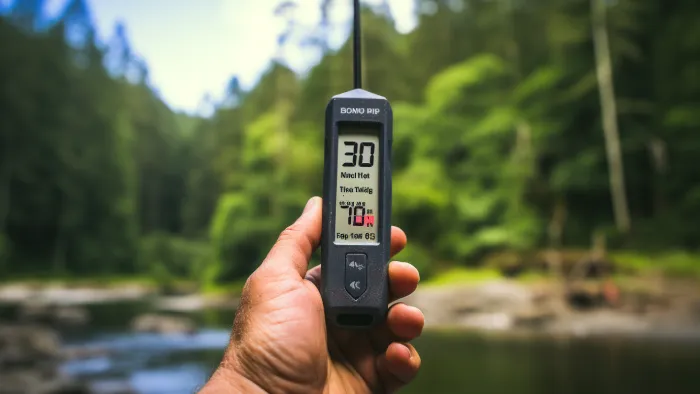
You can expect bass in Kentucky to start spawning from mid-April through May as water temperatures rise and stabilize between 55°F and 65°F.
Smaller ponds warm faster, triggering earlier nests there, while large reservoirs delay spawning due to cooler, deeper water.
Largemouth bass prefer shallow, vegetated areas, while smallmouth target slightly deeper, rocky substrates.
Weather fluctuations and local lake conditions also impact timing.
Understanding these factors helps predict active bass spawn phases and behaviors.
There’s more detail on habitat and temperature influences ahead.
Key Takeaways
- Largemouth bass in Kentucky typically spawn between April and May as water temperatures reach 55 to 65°F.
- Smaller ponds and farm lakes spawn earlier due to faster warming compared to large reservoirs like Kentucky Lake.
- Bass spawn timing depends more on gradual warming and daylight increase than specific calendar dates.
- Spawning often begins when water temperatures stabilize near 61 to 65°F for several days.
- Southern lake shorelines warm and spawn earlier than northern areas, causing regional spawn timing variation.
Typical Bass Spawn Timing in Kentucky
Typically, bass in Kentucky begin their spawning activities in spring, with most largemouth bass starting to move into shallow waters as temperatures climb between 55 and 65°F.
You’ll notice that in large reservoirs like Kentucky Lake, spawning generally initiates in mid-April and extends into late May. Smaller ponds warm earlier, triggering earlier spawn timing.
The shift toward spawning is more dependent on gradual warming and increasing daylight than specific calendar dates, so you need to monitor these environmental cues closely.
As water temperature rises, males typically arrive first to establish nests, preparing the site before females appear.
Regional factors like lake size and latitude influence spawn timing, so you should expect variation across Kentucky’s diverse aquatic habitats.
This timing variability shapes the spawning window you’ll observe each season.
For anglers storing their fishing gear during off-season, understanding proper storage environment is essential to maintain the quality of their fishing line for the next spawn cycle.
Bass Spawning Water Temperature Triggers
Understanding the specific water temperature triggers is essential for predicting when bass will begin their spawning activities in Kentucky.
Recognizing precise water temperature cues is key to forecasting bass spawning timing in Kentucky.
You’ll notice largemouth bass start moving shallow as water temperatures reach the 55 to 65°F range, with nest building commonly initiating near 65°F.
Pre-spawn movements often correlate with water warming past 55°F, particularly around the first full moon after this threshold.
Data from Kentucky Lake highlights that the critical spawn window typically occurs when temperatures hold between 57 and 65°F for multiple days.
Smallmouth bass prefer slightly higher temperatures, often spawning between 59 and 63°F.
These temperature ranges align with physiological readiness for spawning. You can expect active spawning behaviors, such as nest guarding and courting, to intensify once waters consistently maintain these thermal conditions.
It is important to note that salinity influences habitat choice and reproductive success, with largemouth bass favoring low-salinity environments during spawning.
How Lake Size and Habitat Influence Bass Spawning?
You’ll notice that bass spawning times can really change depending on whether we’re talking about large reservoirs or smaller ponds. It’s all about how quickly the water warms up and how stable the habitat is. In those smaller bodies of water, the rising temperatures often kick off spawning a bit earlier. On the flip side, reservoirs tend to have more stable shorelines and water levels, which can delay the process a bit. Water temperature is critical, with optimal spawning typically triggered around 55–65°F (16–21°C) for many fish species.
Reservoir Versus Pond Timing
When comparing bass spawning in reservoirs versus ponds, lake size and habitat play critical roles in determining timing.
You’ll find that smaller ponds warm faster due to their limited volume and shallower depth. This often triggers earlier bass spawning, sometimes several weeks ahead of larger lakes.
In contrast, reservoirs have substantial thermal inertia; their colder, deeper waters delay warming. Bass spawning generally initiates later, typically mid to late April through May.
Reservoir shorelines also experience more stable temperature gradients, which influence the spatial progression of spawning activity. Additionally, water-level fluctuations in reservoirs can affect access to spawning habitats and hence timing.
As you monitor bass spawn, consider these thermal and hydrological dynamics. Ponds respond rapidly to warming, while reservoirs exhibit a more protracted, temperature-dependent spawn window.
Targeting cooler pockets in reservoirs during these times can improve your chances of locating active spawning bass.
Habitat Impact On Spawning
Because lake size and habitat conditions directly affect water temperature and shoreline characteristics, they play a pivotal role in determining bass spawning timing and success.
Smaller lakes and farm ponds warm faster, often triggering earlier spawning as water reaches the critical 55 to 65°F range sooner.
Large reservoirs warm more gradually, with spawning typically beginning later and extending longer due to thermal stability.
Shoreline features like depth, substrate type, and flooding influence nest site selection and bass movement.
For example, smallmouth bass prefer gravel and rocky points in slightly deeper water, while largemouth favor shallower, vegetated areas.
Additionally, lake level fluctuations and localized warming such as southern shorelines warming before northern sections can shift spawning windows.
Understanding these habitat-driven thermal dynamics helps you predict and locate active bass spawning zones accurately.
Male bass build nests and guard eggs during spawning, selecting sites based on substrate and water temperature.
Largemouth Bass Spawn Timing and Behavior
You’ll start to see largemouth bass getting into the spawning mood when the water temperatures hit that sweet spot of 55 to 65°F.
Nest building usually kicks off around 65°F.
Now, here’s the thing: this timing can really vary depending on where you are. In smaller, warmer ponds, spawning often starts earlier, while in larger reservoirs, it might take a bit longer.
So, if you keep an eye on those temperature thresholds and pay attention to local conditions, you’ll have a better idea of when and where the bass are going to be making their nests.
It’s all about knowing your waters!
Understanding bass seasonal patterns can help you predict these spawning behaviors more accurately.
Spawn Temperature Range
Largemouth bass typically begin their spawning activities as water temperatures consistently reach the 55 to 65°F range. Nest building intensifies near 65°F.
In Kentucky, this temperature window triggers pre-spawn movement, particularly once water warms past 55°F. This often coincides with lunar cycles.
Data from large reservoirs like Kentucky Lake indicate that sustained temperatures between 57 and 65°F correlate strongly with peak spawning behavior. Morning temperatures hitting 61 to 62°F frequently coincide with active spawning.
These temperature parameters are critical because they influence metabolic rates and reproductive readiness. They control when bass shift from deeper waters to shallow spawning zones.
Understanding this thermal threshold helps you anticipate spawn timing across various habitats. Smaller ponds warm faster, initiating earlier spawning compared to large, stable reservoirs.
For anglers, optimizing visual clarity during these spawning times can be enhanced with specialized fishing lenses, which improve the ability to spot bass in varying water conditions.
Nest Building Behavior
Once water temperatures approach the upper end of the 55 to 65°F range, male largemouth bass begin actively constructing nests in shallow, protected areas.
You’ll find these nests typically on gravel or sandy substrates near submerged vegetation or structures, where current disturbance is minimal.
The male clears a circular depression by fanning his tail, ensuring ideal oxygen flow and egg protection.
Nest size and location correlate directly with water temperature stability and substrate type, critical for successful spawning.
You should observe males aggressively defending these nests, exhibiting territorial behavior to deter rivals and predators.
This nest-building phase often coincides with sustained temperatures near 65°F, signaling peak spawning readiness.
Understanding these behaviors helps you predict spawning activity and locate productive fishing or study sites effectively.
Peak spawning activity also often results in heightened territorial behavior as males defend their nests aggressively.
Regional Timing Variations
Although largemouth bass spawning generally occurs between April and May in Kentucky, regional variations driven by water temperature, lake size, and shoreline conditions can markedly affect the timing and behavior of spawning fish.
You’ll notice smaller lakes and farm ponds warm faster, prompting earlier nest-building and spawning than large reservoirs. In bigger lakes, spawning often starts in mid to late April or even early May, depending on water temperature stability and lake stratification.
Shoreline flooding and cold fronts can delay or temporarily reverse spawning movements. To effectively anticipate spawn timing, consider these factors:
- Water temperature thresholds (55–65°F) initiate spawning behavior
- Smaller water bodies warm earlier than large reservoirs
- South-end lake areas warm and spawn first
- Shoreline flooding influences nest site accessibility
- Weather fluctuations can pause or shift spawning activity
Additionally, understanding how wind-driven upwelling supplies nutrient-rich waters can help anticipate shifts in spawning timing and location.
Smallmouth Bass Spawn Timing and Habitat
Smallmouth bass typically spawn during April and May, favoring slightly deeper, rocky, or gravelly habitats compared to their largemouth counterparts.
You’ll notice they prefer water temperatures between 59°F and 63°F (15°C to 17°C). They often select current breaks and rocky points for nest sites. Understanding these preferences helps you predict spawn timing accurately.
| Factor | Details |
|---|---|
| Spawn Months | April – May |
| Preferred Habitat | Rocky, gravel beds |
| Ideal Water Temp | 59°F – 63°F (15-17°C) |
Regional Differences in Kentucky Bass Spawning
Because local conditions vary across Kentucky, you’ll find bass spawning times differ markedly by region and habitat type. Small lakes and farm ponds warm rapidly, often triggering earlier spawns than large reservoirs.
Within big lakes, southern areas generally warm first, promoting slightly earlier bass activity than northern sections. Shoreline flooding and stable water levels also influence when bass move into spawning zones.
These regional variations affect both largemouth and smallmouth bass, reflecting their habitat preferences and thermal thresholds.
- Small ponds warm faster, initiating early spawn.
- Large reservoirs exhibit delayed, prolonged spawning.
- Southern lake areas warm before northern zones.
- Shoreline flooding impacts access to spawning sites.
- Habitat type dictates species-specific spawn timing.
Understanding these patterns sharpens your ability to predict spawn windows effectively. Additionally, water temperature between 63°F and 67°F enhances metabolic rates and activity, impacting spawning readiness.
Weather and Water Effects on Bass Spawn Timing
When water temperatures fluctuate due to changing weather patterns, you’ll see a direct impact on bass spawning behavior in Kentucky.
Bass spawning closely follows water temperature thresholds. Specifically, largemouth bass initiate nest-building near 65°F, with pre-spawn activity starting around 55°F.
Cold fronts can abruptly lower temperatures, delaying or interrupting spawning by pushing bass back to deeper waters.
Conversely, stable warming trends, especially when water remains between 57 and 65°F for several days, optimize spawning success.
You’ll also notice that small lakes and farm ponds, which warm faster, trigger earlier spawning than large reservoirs.
Additionally, factors like lake level changes and shoreline flooding influence bass movement into spawning habitats.
Frequently Asked Questions
What Fishing Gear Works Best During Kentucky Bass Spawn?
You’ll want finesse gear during Kentucky bass spawn. Light to medium spinning rods paired with 6-12 lb fluorocarbon line offer sensitivity and stealth.
Use soft plastics like craws, tubes, or creature baits rigged wacky or Texas style to mimic natural prey near nests.
Topwater lures and jigs also work well, especially early or late in the spawn.
Adjust retrieval speed slowly to match bass aggression influenced by water temperature and clarity.
How Does Bass Spawning Affect Fishing Regulations in Kentucky?
Imagine a guarded fortress where entry is restricted to protect its future inhabitants. That’s how Kentucky’s bass spawning season shapes fishing regulations.
You’ll find seasonal limits, size minimums, and sometimes catch-and-release rules designed to shield bass during their vulnerable nesting period.
These measures guarantee you don’t disrupt spawning success or deplete breeding populations. This maintains ecological balance and sustains fisheries long-term.
You must stay informed on local regulations to fish responsibly and legally during spawn.
Can Bass Spawn Multiple Times in One Season in Kentucky?
Yes, bass can spawn multiple times in one season in Kentucky, especially largemouth bass.
You’ll notice that under ideal conditions, stable water temperatures between 57 and 65°F and consistent daylight, bass may complete multiple spawn cycles.
However, spawning frequency depends on factors like water temperature fluctuations, food availability, and habitat stability.
What Predators Threaten Bass Nests During Spawning in Kentucky?
Imagine monitoring a Kentucky reservoir where bluegill aggressively raid bass nests.
Predators threatening bass nests include bluegill, crappie, and catfish, which consume eggs and fry.
You’ll also face threats from snapping turtles and larger bass that may cannibalize nests.
These species exploit the shallow, warm spawning habitats, forcing you to contemplate predator density and habitat complexity when evaluating spawn success and planning conservation or fishing strategies.
How Do Bass Spawning Behaviors Vary Between Day and Night?
You’ll notice bass spawning behaviors differ between day and night.
During daylight, males actively build and guard nests, aggressively fending off intruders to protect eggs.
At night, bass reduce visible activity but maintain proximity to nests for defense.
Females often retreat after spawning, while males stay vigilant.
Nighttime offers some predator relief, yet bass remain alert.
This diel behavioral shift balances reproductive success with predator avoidance and energy conservation.
The Bottom Line on Kentucky Bass Spawning Season
When bass spawn in Kentucky, you’ll find their timing closely tied to water temperature, habitat, and regional conditions. Each factor acts like a gear in a finely tuned machine.
Understanding how largemouth and smallmouth bass respond to these variables helps you predict their behavior with precision. By analyzing weather patterns and lake characteristics, you can anticipate spawn windows more accurately.
This knowledge enhances your fishing strategy and success in Kentucky’s diverse aquatic environments.