
Is Fishing a Sport or a Hobby: What You Should Know
You experience fishing as both a sport and a hobby because it blends competitive thrill with peaceful relaxation.
When you fish with precision, strategy, and clear goals, it becomes a sport involving skill, rules, and measurable results.
But when you cast quietly to unwind or connect with nature, fishing shifts into a soothing hobby.
Your mindset and setting shape this dual nature.
If you want to explore how technique, competition, and personal enjoyment all fit together, there’s plenty more to uncover.
Key Takeaways
- Fishing is both a sport and a hobby, depending on intent, setting, and mindset of the angler.
- As a sport, fishing involves competition, rankings, prizes, and objective performance measurements like casting accuracy and fish weight.
- As a hobby, fishing emphasizes relaxation, enjoyment, nature connection, and stress relief without competitive pressure.
- Competitive fishing requires strict rules, specialized equipment, and focused skills, while casual fishing prioritizes comfort and personal satisfaction.
- The dual nature of fishing blends excitement and challenge with tranquility and mindfulness, adapting to environmental conditions.
Why Fishing Is Both a Sport and a Hobby?
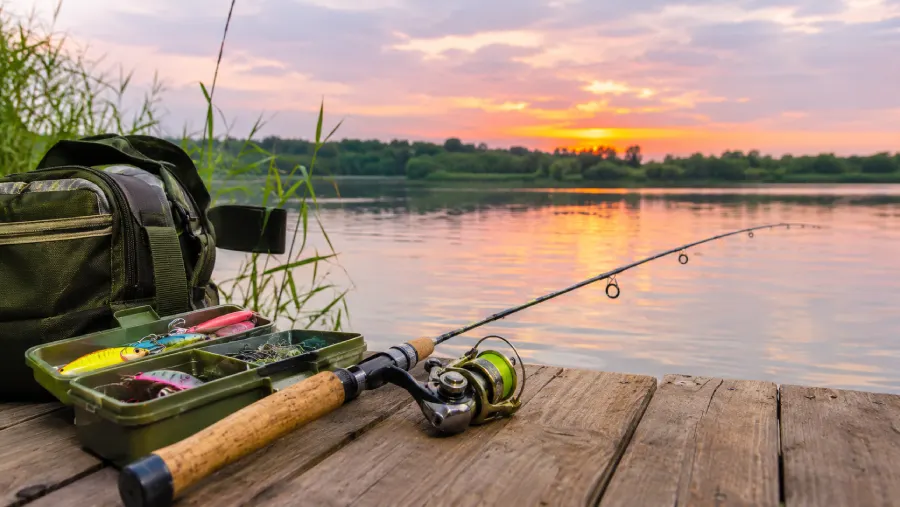
Although fishing is often seen simply as a relaxing pastime, it also demands skill, technique, and sometimes fierce competition, making it both a sport and a hobby.
When you fish with precision, mastering rods, reels, and bait, you tap into the athletic challenge that defines sport fishing.
You might compete in tournaments, chasing the thrill of landing the biggest catch within strict rules.
Yet, when you cast your line on a quiet weekend for peace, enjoyment, or time with loved ones, fishing becomes a cherished hobby.
The intent and setting shape your experience, whether testing your skills or savoring nature’s calm.
Understanding this dual nature helps you appreciate fishing’s rich versatility, blending the excitement of sport with the soothing pleasures of a hobby.
Adapting tactics to environmental changes such as weather and water conditions is also a key part of mastering fishing in both its sport and hobby forms.
Key Differences Between Sport and Hobby Fishing
When you think about fishing as a sport, it’s all about the thrill of competition, right? You’re honing your skills and strategizing to outsmart either the fish or your fellow anglers. It’s intense and exciting!
On the flip side, fishing as a hobby is a totally different vibe. Here, you’re diving into relaxation, soaking up nature, and just enjoying the whole experience without any pressure.
Getting a handle on these differences really helps you understand how fishing can shift from being a high-stakes challenge to a peaceful way to unwind. It all depends on what you’re looking for in that moment! Responsible anglers often practice catch and release fishing to promote conservation and sustain fish populations for future enjoyment.
Competitive Versus Casual
Distinguishing between competitive and casual fishing hinges on your approach and goals in the water. When you compete, you focus on skill, rules, and measurable outcomes like size or weight. Casual fishing, on the other hand, centers on relaxation, enjoying nature, and personal satisfaction without pressure.
Understanding these differences helps clarify whether you’re engaging in a sport or a hobby.
| Aspect | Competitive Fishing | Casual Fishing |
|---|---|---|
| Objective | Win tournaments, catch big fish | Relax, enjoy time outdoors |
| Environment | Structured events, strict rules | Flexible, informal settings |
| Skill Emphasis | High-level technique and strategy | Basic skills, comfort-focused |
| Outcome | Rankings, prizes | Personal enjoyment, stress relief |
Your mindset transforms the experience, shaping fishing as sport or hobby. Selecting the right fishing gear and setup can enhance both competitive and casual fishing experiences by improving efficiency and enjoyment.
Skill Versus Relaxation
If you want to excel in sport fishing, you’ll need to focus on honing your skills, mastering techniques, and understanding the subtle nuances of timing and equipment.
Skill is the driving force behind sport fishing. It’s about precision casting, choosing the right bait, and reading water conditions.
In contrast, hobby fishing prioritizes relaxation and connection with nature over competition.
Here are three key differences:
- Skill Development: Sport fishing demands continuous learning and practice to improve catch rates.
- Mental Engagement: You stay alert, strategizing to outsmart fish and competitors.
- Relaxation Focus: Hobby fishing lets you unwind, enjoy scenery, and fish at your own pace, with less pressure.
You’ll find that your purpose shapes whether fishing feels like a sport or a peaceful pastime. Additionally, understanding how line color affects fish behavior can elevate your strategic approach in sport fishing.
The Role of Skill and Technique in Sport Fishing
Mastering sport fishing demands more than just patience; it requires a refined blend of skill and technique that challenges even the most experienced anglers.
You’ll need to perfect casting accuracy, learn to read water currents, and understand fish behavior to anticipate strikes.
Selecting the right bait or lure, adjusting your retrieval speed, and mastering knot tying are essential skills that directly impact your success.
When you hook a strong fish, your technique in playing and landing it can mean the difference between a triumphant catch or a lost prize.
Sport fishing demands constant learning and adaptation, pushing you to sharpen your focus, coordination, and strategy.
It’s this intricate skill set that elevates fishing beyond leisure into a true test of angling prowess.
Understanding how to select and present artificial lures effectively can significantly increase your chances of a successful catch.
How Competition Defines Sport Fishing?
When you step into a fishing tournament, you quickly realize that every cast counts. I mean, it’s not just about throwing your line in the water and hoping for the best. There are strict rules and clear structures that shape the whole competition. Your skill isn’t just measured by how big the fish are or how many you catch. Nope, it’s also about how well you manage those time limits and navigate the species regulations.
This competitive framework really shifts the vibe, doesn’t it? Fishing goes from being a laid-back hobby to something that feels like a true sport. It’s all about strategy, precision, and a little bit of luck, making every moment on the water feel intense and purposeful. Using adjustable rod holders can give anglers a strategic advantage by improving stability and positioning during trolling, which is crucial in competitive settings.
Tournament Rules And Structure
Tournament rules and structure shape sport fishing by setting clear standards that transform casual angling into a competitive challenge.
When you enter a fishing tournament, you’re stepping into a world governed by specific guidelines designed to guarantee fairness, skill, and excitement.
Here are three key aspects that define this structure:
- Entry and Eligibility: You must often register in advance, meeting criteria like age or fishing experience. This ensures a level playing field.
- Catch Regulations: Rules specify which species count, minimum sizes, and catch limits. This makes every decision strategic.
- Scoring and Time Limits: Competitions typically measure catches by weight or length within a set timeframe. This demands both efficiency and expertise.
Additionally, the use of specialized equipment such as adjustable flag tension planer boards can enhance presentation and strike detection, providing anglers with a competitive edge in tournaments.
Measuring Skill And Performance
Understanding how skill and performance are measured gives you a clearer picture of what separates sport fishing from casual angling.
In competitive fishing, your success hinges on precise techniques, timing, and strategy. These are elements that casual fishing often overlooks.
Performance is quantified through measurable criteria, making the sport’s challenge tangible and objective.
Selecting the right rod length and action can significantly influence your casting effectiveness, especially in competitive scenarios involving spey rods.
| Skill Aspect | Measurement Method |
|---|---|
| Casting Accuracy | Hit target zones |
| Fish Weight | Scale-measured catch |
| Species Variety | Number of species caught |
| Catch Quantity | Total fish landed |
| Time Management | Fish caught per hour |
Why People Fish for Relaxation and Enjoyment?
Finding peace by casting a line offers more than just the thrill of a catch. It provides a unique escape from daily stress and a chance to reconnect with nature.
Casting a line delivers more than excitement—it offers a peaceful retreat from stress and a deep connection with nature.
When you fish for relaxation and enjoyment, you engage in an activity that calms your mind and refreshes your spirit. Here’s why it matters:
- Mental Reset: Fishing demands focus on the present moment, helping you temporarily forget work or worries.
- Nature Connection: Being outdoors immerses you in natural sights and sounds, promoting tranquility and mindfulness.
- Personal Pace: You control your experience without pressure, allowing for leisurely reflection or quiet solitude.
Fly fishing, in particular, offers a meditative rhythm that enhances this calming effect and deepens your connection with the environment.
How Fishing Brings Families Closer to Nature?
Spending time fishing together offers families a powerful way to connect not only with each other but also with the natural world around them.
When you fish, you immerse yourself in tranquil waters, observe wildlife, and learn about ecosystems firsthand.
This shared experience encourages curiosity as you identify plants, birds, and aquatic creatures, deepening your appreciation for biodiversity.
Fishing teaches patience and respect for nature’s rhythms, fostering mindfulness and environmental stewardship.
As you cast lines side by side, conversations flow naturally, creating lasting memories rooted in shared discovery.
In addition, understanding species-specific fly selection can enhance the experience by connecting anglers to the habits and habitats of the fish they pursue.
The Economic and Social Impact of Recreational Fishing
Recreational fishing drives a powerful economic engine, generating about $63 billion in sales impacts and supporting nearly 700,000 jobs across the U.S. each year.
When you engage in fishing, you contribute directly to an industry that fuels local economies and sustains livelihoods.
Consider these key impacts:
- Recreational saltwater fishing expenditures reached $72.3 billion in 2022, covering trips and equipment.
- Fishing supports communities by creating jobs in retail, tourism, and guiding services.
- Socially, fishing strengthens bonds. Families and friends connect through shared outdoor experiences, fostering well-being.
Frequently Asked Questions
What Types of Fish Are Most Popular in Sport Fishing Tournaments?
You’ll find bass, especially largemouth and smallmouth, dominate many sport fishing tournaments.
Anglers also target species like trout, walleye, and catfish for freshwater contests.
In saltwater tournaments, popular catches include marlin, tuna, snapper, and redfish.
These fish challenge your skills with their strength and fight, making them favorites in competitive circuits.
Knowing their habits and habitats gives you a real edge when competing in these exciting events.
How Does Fishing Gear Differ Between Hobbyists and Professional Anglers?
You’ll find hobbyists wielding simple rods and reels, nothing too fancy, just enough for a relaxing day by the water.
Professionals, though? They bring out gear that looks like it belongs in a spaceship. High-tech rods, precision reels, specialized lines, and custom lures are designed for maximum catch.
Their equipment’s all about performance and durability, built to handle intense tournaments.
Hobbyists focus on comfort and ease. The difference is night and day!
What Are the Environmental Regulations Affecting Recreational Fishing?
You must follow environmental regulations like catch limits, size restrictions, and seasonal closures to protect fish populations.
You’re required to use legal gear types, avoid protected species, and sometimes practice catch-and-release.
These rules help maintain sustainable ecosystems and prevent overfishing.
Agencies often require fishing licenses and enforce habitat protections, so staying informed guarantees you fish responsibly and preserve aquatic life for future generations.
How Do Fishing Licenses and Permits Work Across Different States?
Fishing licenses and permits vary by state, and you’ll need one to fish legally in most places.
States set specific rules on who needs a license: residents, non-residents, or certain age groups.
Permits can cover freshwater, saltwater, or special species.
You can usually buy them online or at local vendors.
Always check your state’s fish and wildlife department website to avoid fines or penalties while enjoying your fishing trip.
What Safety Precautions Are Recommended for Fishing in Remote Areas?
Since over 57 million Americans fish recreationally, you need solid safety precautions in remote areas.
Always tell someone your exact location and expected return time.
Pack a first aid kit, plenty of water, and weather-appropriate gear.
Bring a reliable communication device, like a satellite phone or emergency beacon, since cell signal can be spotty.
Know local wildlife risks and carry bear spray if needed.
Staying prepared keeps your adventure safe and enjoyable.
Conclusion: Why Fishing Is More Than Just a Hobby
Whether you cast your line for the thrill of the catch or the calm of the quiet water, fishing is both a sport and a hobby that reels you in with unique rewards.
It’s not just about the fish; it’s about sharpening your skills, embracing competition, or simply finding peace.
So, plunge in with heart and patience. Fishing is a bridge that connects you to nature, family, and yourself, making every moment worthwhile.