
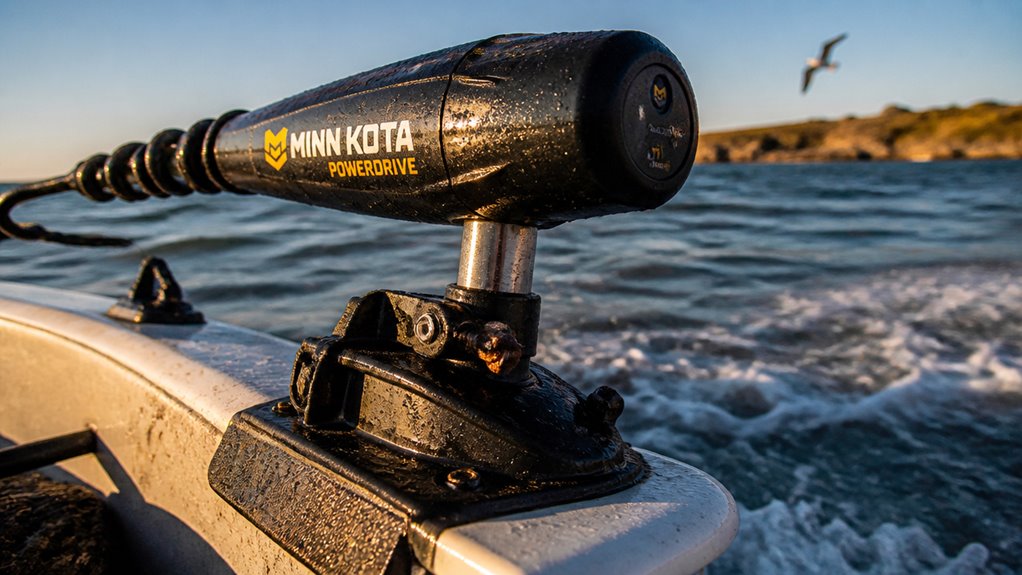
Can You Use a Freshwater Trolling Motor in Saltwater
You can use a freshwater trolling motor in saltwater occasionally, but regular use accelerates corrosion on seals, metals, and electronics. This rapidly reduces reliability and lifespan.
Freshwater motors lack specialized corrosion-resistant materials and protective coatings needed for saltwater. Salt deposits cause pitting, rust, and electrical shorts.
Warranty coverage may be voided due to saltwater damage classified as misuse. Proper maintenance helps but won’t prevent all degradation.
Understanding key differences and care strategies is essential for prolonged performance.
Key Takeaways
- Freshwater trolling motors lack corrosion-resistant materials, making them vulnerable to rapid damage in saltwater conditions.
- Occasional saltwater use is possible but frequent exposure significantly reduces freshwater motor lifespan and reliability.
- Saltwater-rated motors feature specialized seals, coatings, and materials designed to withstand harsh marine environments.
- Prompt freshwater rinsing and thorough drying after saltwater use can slow corrosion but not prevent all damage.
- Using freshwater motors in saltwater risks voiding manufacturer warranties due to accelerated corrosion and internal damage.
Why Freshwater Motors Don’t Last in Saltwater?
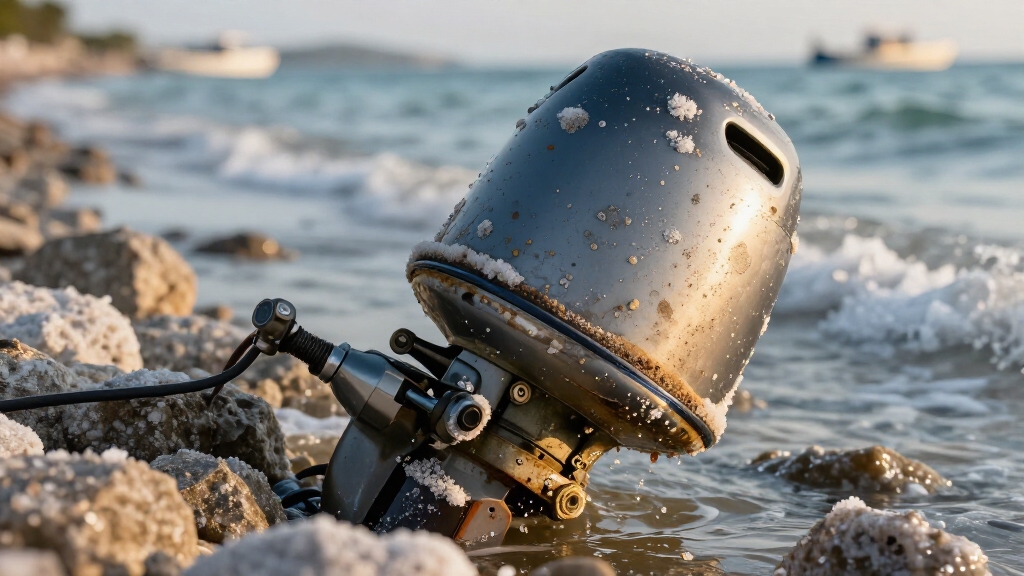
When exposed to saltwater, a freshwater trolling motor quickly faces accelerated corrosion because it lacks the specialized sealingsand corrosion-resistant materials found in saltwater-rated models.
Freshwater trolling motors corrode rapidly in saltwater due to missing specialized seals and corrosion-resistant materials.
You’ll notice that saltwater’s high chloride content aggressively attacks metal components, causing rapid oxidation and deterioration.
Freshwater motors have insufficient protective coatings and gaskets, allowing salt intrusion into sensitive electronics and mechanical parts.
As a result, fasteners seize, mounting hardware rusts, and internal circuitry degrades, reducing operational reliability.
Even with rinsing, salt residues remain trapped, perpetuating corrosion.
This environment drastically shortens service life compared to saltwater-rated motors, which utilize enhanced seals, stainless or coated metals, and corrosion inhibitors designed specifically to endure saline conditions.
Understanding these vulnerabilities clarifies why freshwater motors aren’t engineered for prolonged saltwater exposure and why their durability suffers markedly in such environments.
Additionally, saltwater motors often include sacrificial anodes that provide extra protection against corrosion, a feature absent in freshwater models.
Can You Use a Freshwater Motor in Saltwater?
The vulnerabilities of freshwater trolling motors in saltwater environments raise an important question: can you actually use a freshwater motor in saltwater?
Technically, occasional or emergency use is possible, but it’s not advisable for regular operation. Freshwater motors lack the corrosion-resistant materials and sealing systems designed specifically for saltwater.
Using them in saltwater accelerates corrosion rates on metal components and electronics, increasing failure risk. If you do use a freshwater motor in saltwater, immediate and thorough freshwater rinsing is critical to reduce damage.
However, even with careful maintenance, the motor’s lifespan and reliability diminish compared to saltwater-rated models. For frequent saltwater fishing, investing in a purpose-built saltwater trolling motor is a more reliable, cost-effective choice over time.
Environmental stressors such as pollution and salinity can further accelerate wear and reduce the operational life of freshwater motors used in saltwater conditions.
How Saltwater Damages Freshwater Trolling Motors?
Saltwater aggressively attacks freshwater trolling motors by accelerating corrosion on metal components, degrading seals, and compromising electronic systems.
When you expose a freshwater motor to saltwater, the high salinity increases oxidation rates on aluminum, steel, and copper parts. This causes pitting and rust.
The motor’s seals, designed for freshwater, deteriorate rapidly under salt exposure, allowing saltwater intrusion that damages internal components.
Electrical contacts and circuit boards suffer from salt deposits that create conductivity issues and shorts.
Additionally, salt crystals left after drying continue corroding surfaces, exacerbating damage.
You’ll notice seized fasteners, eroded mounting hardware, and failing electronics over time.
Because freshwater motors lack specialized coatings and corrosion-resistant alloys, their structural integrity and reliability degrade quickly when used regularly in saltwater environments.
This significantly reduces motor lifespan.
Unlike freshwater motors, models like the Garmin Force feature corrosion-resistant construction and brushless motors suited for saltwater environments, helping to prevent such damage.
How to Clean and Maintain a Freshwater Trolling Motor After Saltwater Use?
Absolutely! If you’ve been out in saltwater with your freshwater trolling motor, the first thing you want to do is give it a good rinse with fresh water. Seriously, do this right away. It helps stop any corrosion in its tracks.
Next up, consider applying some corrosion inhibitors and lubricants on those exposed metal parts. This extra layer of protection is key to keeping rust and damage at bay.
And don’t forget to regularly check the motor’s hardware and seals. Keeping an eye out for any early signs of wear or salt intrusion can save you a lot of trouble down the line.
Trust me, a little maintenance goes a long way!
Additionally, understanding the environmental influence of water conditions can help you better protect your equipment from damage.
Immediate Freshwater Rinse
Always rinse your freshwater trolling motor with clean, fresh water immediately after any saltwater exposure to minimize corrosion risk. Salt deposits accelerate metal oxidation and degrade electrical contacts, so prompt rinsing removes corrosive residues before they cause damage.
Use low-pressure fresh water to flush external surfaces, paying close attention to joints, fasteners, and propeller shafts where salt accumulates. Avoid submerging the motor for extended periods, as trapped saltwater can infiltrate internal components.
After rinsing, dry the motor thoroughly to prevent moisture retention. This immediate action reduces the likelihood of pitting and corrosion initiation, extending motor longevity despite saltwater exposure.
Delaying rinsing allows salt crystals to crystallize and embed, increasing maintenance complexity and potential for irreversible damage. Consistent, immediate rinsing is critical for preserving freshwater trolling motor functionality after saltwater use.
For enhanced protection, consider using UV-resistant materials designed to withstand harsh environments, as seen in durable underwater camera systems.
Corrosion Prevention Techniques
Following an immediate freshwater rinse, implementing targeted corrosion prevention techniques markedly enhances your motor’s durability after saltwater exposure.
To effectively slow corrosion, you need to remove all salt residues and protect exposed metal surfaces promptly. Neglecting this step accelerates rust formation and damages internal components.
Focus on these key practices:
Apply corrosion inhibitor sprays or protective greases on metal parts to create a moisture barrier.
Use a soft brush to dislodge salt crystals from hard-to-reach areas after rinsing.
Dry the motor thoroughly before storage to prevent lingering moisture.
Avoid prolonged saltwater submersion; limit exposure time to reduce salt ingress.
Consistently following these steps minimizes corrosion risk and extends your freshwater trolling motor’s functional lifespan after occasional saltwater use. Using corrosion-resistant materials in your motor’s construction can further improve its longevity in harsh environments.
Routine Motor Inspection
Regularly inspecting your freshwater trolling motor after saltwater exposure uncovers early signs of corrosion and mechanical wear before they escalate into serious issues.
Begin by rinsing the motor thoroughly with fresh water immediately after use to remove salt deposits. Disassemble accessible components to inspect fasteners, seals, and electrical connections for corrosion or residue buildup.
Use a corrosion inhibitor spray on metal surfaces and apply marine-grade grease to moving parts to prevent rust and seizing. Check the propeller shaft for smooth rotation and signs of pitting or wear.
Pay attention to wiring insulation integrity and make certain connectors are dry and secure. Document any abnormalities and address them promptly to maintain operational reliability.
Consistent, detailed inspections minimize saltwater damage risk and extend the motor’s usable lifespan despite its freshwater design limitations. Additionally, using a battery monitoring system can help track the motor’s power consumption and alert you to early signs of battery degradation that saltwater exposure may accelerate.
Warranty Issues When Using Freshwater Trolling Motors in Saltwater
If you use a freshwater trolling motor in saltwater, you risk voiding the manufacturer’s warranty due to the increased corrosion and damage associated with salt exposure.
Manufacturers typically classify saltwater exposure as misuse because freshwater motors lack corrosion-resistant materials and seals designed for harsh marine environments.
Even if your motor operates after saltwater use, warranty claims may be denied due to accelerated wear and internal damage invisible during routine inspection.
Before using a freshwater motor in saltwater, you should carefully review warranty terms and understand the risks involved.
Key warranty considerations include:
- Saltwater damage often voids coverage on freshwater motors.
- Corrosion accelerates component failure beyond normal wear.
- Manufacturers may require proof of freshwater-only use.
- Warranty denial can occur despite proper rinsing and maintenance.
Additionally, using a motor not designed with corrosion-resistant materials significantly increases the likelihood of damage and warranty issues in saltwater environments.
Why a Saltwater-Rated Trolling Motor Is Worth It?
Because saltwater environments aggressively accelerate corrosion and wear, choosing a saltwater-rated trolling motor markedly enhances durability and reliability for coastal fishing.
You benefit from superior sealing, corrosion-resistant materials, and coatings crafted to withstand harsh marine conditions. This investment reduces maintenance frequency and lowers failure risk compared to freshwater models exposed to saltwater.
| Feature | Saltwater-Rated Motor |
|---|---|
| Corrosion Resistance | High (special coatings/seals) |
| Warranty Coverage | Valid for saltwater use |
| Maintenance Requirement | Lower with proper rinsing |
| Component Longevity | Extended |
| Reliability | Consistently high |
Selecting a saltwater-rated motor optimizes performance and extends service life. This makes it a sound choice for frequent coastal anglers. Aluminum’s natural oxide layer provides effective corrosion resistance that helps reduce maintenance in harsh marine environments.
Frequently Asked Questions
Can Saltwater Exposure Affect a Freshwater Motor’s Battery Performance?
Yes, saltwater exposure can degrade a freshwater motor’s battery performance. Salt accelerates corrosion on terminals and connectors, increasing electrical resistance and reducing efficiency.
You’ll notice diminished power output and shorter run times. Even if the battery itself isn’t directly damaged, the surrounding hardware’s corrosion limits current flow.
To maintain peak battery function, you should rinse components thoroughly after saltwater exposure and apply corrosion inhibitors promptly.
Are There Specific Brands That Make Freshwater Motors More Salt-Resistant?
Like a knight donning reinforced armor, some freshwater trolling motor brands, such as Minn Kota with their Riptide series, integrate enhanced corrosion-resistant coatings and sealed electronics to boost saltwater resilience.
While no freshwater motor is invincible against salt’s assault, these models employ advanced materials and protective technology to extend lifespan in brackish conditions.
You’ll still need diligent maintenance, but choosing these brands gives you a technical edge in salt tolerance.
How Does Brackish Water Compare to Full Saltwater for Motor Corrosion?
Brackish water causes corrosion nearly as aggressively as full saltwater. It still contains significant salt concentrations.
You’ll face similar risks of accelerated metal and electronic degradation in brackish environments.
So, you shouldn’t treat brackish water like freshwater; it demands the same rigorous rinsing and maintenance protocols.
If you’re using a freshwater motor, expect corrosion challenges comparable to saltwater exposure.
This makes protective measures and prompt cleaning essential to prolong motor life.
What Are Common Signs of Early Saltwater Damage on Trolling Motors?
Think of your trolling motor like a metal key left in the ocean breeze. It starts looking dull fast.
Early saltwater damage shows as rust on screws and mounting hardware, cloudy or pitted propellers, and sticky or noisy bearings.
You might notice sluggish motor response or corrosion residue around seals.
These signs mean salt’s begun infiltrating protective layers, compromising performance and signaling that immediate cleaning and inspection are essential to prevent costly failures.
Can Aftermarket Corrosion Protection Kits Extend Freshwater Motor Life in Saltwater?
Yes, aftermarket corrosion protection kits can extend your freshwater motor’s life in saltwater by adding barriers against salt intrusion and rust.
They improve sealing, apply protective coatings, and use corrosion inhibitors to slow damage.
However, these kits don’t fully eliminate corrosion risk or warranty issues. You’ll still need rigorous rinsing and maintenance.
Ultimately, they help but don’t replace the durability of a saltwater-rated motor for frequent saltwater use.
Why Saltwater-Rated Trolling Motors Matter
Using a freshwater trolling motor in saltwater is like sending a delicate clock into a sandstorm. Corrosion and wear will quickly erode its precision.
While occasional use with thorough cleaning can work, saltwater’s harsh chemistry relentlessly attacks components. This shortens lifespan and voids warranties.
To keep your motor humming like a well-oiled machine, consider investing in a saltwater-rated model. It is designed to withstand the corrosive tides and deliver reliable performance every time.



![How to Make Your Own Fishing Waders: 10 Steps [DIY]](https://www.cnybia.com/wp-content/uploads/2023/07/how-to-make-your-own-fishing-waders1-768x432.webp)