Best Time to Fly Fish in Jackson Hole: Seasonal Guide
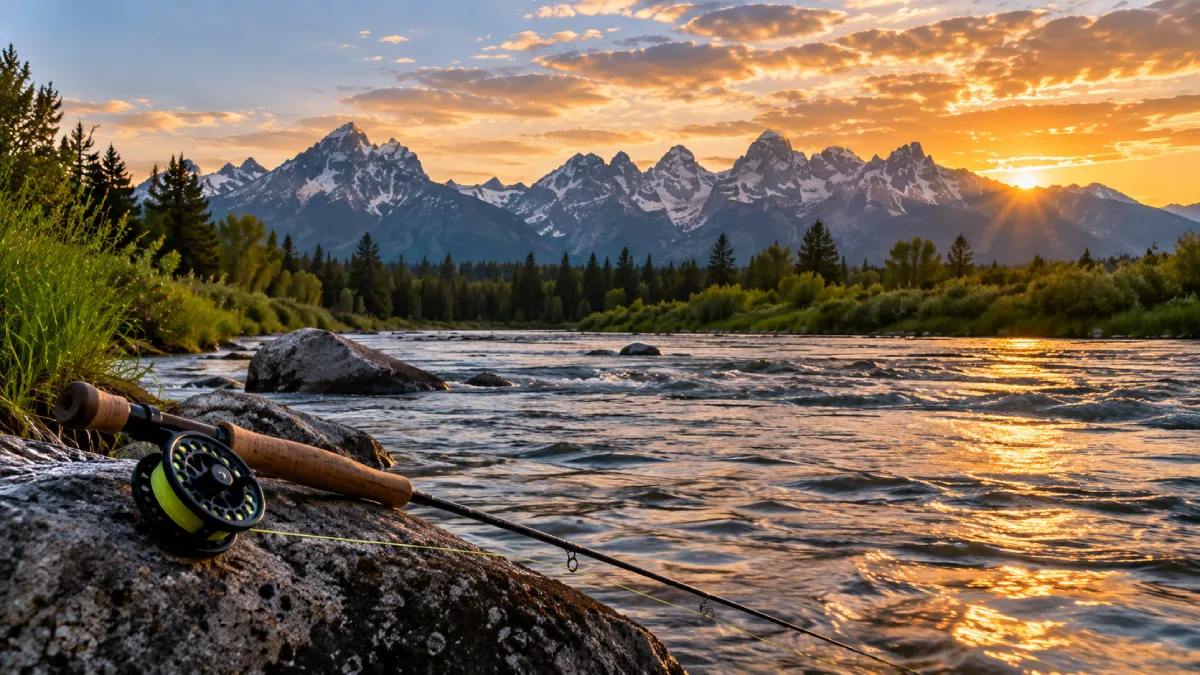
You’ll find the best time to fly fish in Jackson Hole from late June through September. Clear waters and prolific insect hatches make trout active and visible during this period.
Early spring offers quieter waters but challenging runoff. September brings cooler temperatures, lighter crowds, and heightened trout feeding before winter.
Fall also provides peaceful solitude and rewarding bites as trout ramp up. To maximize success, understanding seasonal shifts and daily warm-hour windows is key.
Explore how timing and conditions align for ideal fishing.
Key Takeaways
- Late June through September is peak fly fishing season in Jackson Hole, with clear waters and abundant insect hatches.
- September and early fall offer cooler temperatures, active trout, lighter crowds, and peaceful fishing conditions.
- Daytime temperatures consistently above 40°F, especially mid-morning to mid-afternoon, provide the best trout feeding activity.
- Spring runoff causes murky, high rivers; focus on spring creeks and smaller tributaries before runoff clears waters.
- Fall months bring heightened trout activity as cooler water triggers pre-winter feeding, making October and early November prime fishing times.
When Is the Best Season to Fly Fish in Jackson Hole?
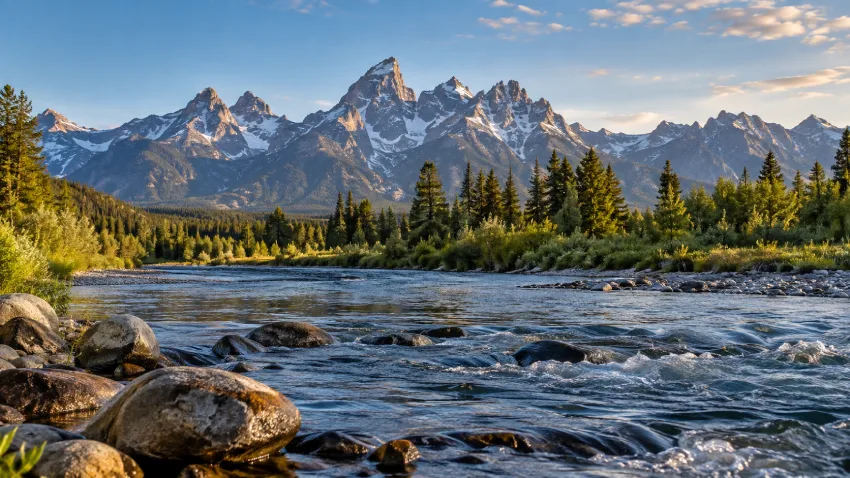
When planning your fly fishing trip to Jackson Hole, the best season largely depends on what kind of experience and conditions you’re after.
Early spring offers quieter waters with improving conditions before snowmelt runoff clouds the rivers. You’ll find the most success once temperatures consistently rise above 40°F, especially during midday warmth.
However, runoff in late spring can make major rivers murky and challenging, so focusing on smaller tributaries or spring creeks keeps your options open.
Summer, from late June through September, is the peak season, delivering clear water, prolific hatches, and aggressive trout feeding.
For a blend of good weather, active fish, and lighter crowds, September stands out as an ideal month. Matching your trip timing to these seasonal shifts maximizes your chances for a rewarding catch.
Understanding regional insect hatches can further enhance your fly selection and fishing success throughout the season.
How Spring Weather Affects Early Season Fly Fishing?
Although early spring in Jackson Hole can be unpredictable, understanding how weather patterns influence water temperatures and insect activity will help you time your outings for the best results.
You’ll notice that cold mornings and evenings keep trout less active.
As daytime temperatures climb above 40°F, fish become more willing to feed.
The warmest hours, typically late morning through mid-afternoon, offer your best chance to see rising trout and active hatches.
During this window, expect increasing insect activity from early mayflies and midges, which triggers feeding.
By focusing your efforts on smaller tributaries and spring creeks, you can avoid murkier waters and still find clear, productive spots before runoff begins.
Timing your trips around these spring weather cues will boost your early season success.
Measuring water temperature with a digital thermometer can help you identify these optimal feeding times more accurately.
How Snowmelt Runoff Affects Fishing Conditions?
As snowmelt runoff swells rivers and clouds the water, wade-fishing becomes more challenging. You’ll face faster currents and reduced visibility.
During peak runoff, focus on nymphing techniques. Target smaller tributaries or spring creeks where conditions remain stable.
Understanding runoff’s impact helps you adjust your strategy and choose the right waters.
Crappie, for example, seek deeper, structured areas with adequate oxygen during colder months, highlighting the importance of oxygen-rich habitats in fish location.
| Runoff Stage | Water Conditions | Best Fishing Approach |
|---|---|---|
| Early Runoff | Rising, murky, fast | Nymphing in slower pockets |
| Peak Runoff | High, turbulent, off-color | Target spring creeks |
| Post Runoff | Dropping, clearing | Dry flies and nymphs |
| Tributaries | Stable, clear | Versatile methods |
Adapting to these shifts maximizes your success during snowmelt’s dynamic phase.
Why Summer Is the Best Time for Fly Fishing in Jackson Hole?
Summer is definitely the peak fishing season in Jackson Hole, and for good reason!
As the rivers start to drop and clear up, it creates the perfect conditions for some amazing dry-fly action. You can really feel the excitement in the air when the key insect hatches come around.
Late June brings those big Salmonflies and Golden Stones, which get the trout really active. And then, as we roll into mid-August, you’ll find hoppers and giant stoneflies making their appearance.
This constant influx of food keeps the trout on the hunt, making summer not just productive, but also incredibly thrilling for fly fishing enthusiasts. So, if you’re looking to cast a line, summer is the time to do it!
Additionally, the increased oxygen levels in summer waters help maintain trout metabolism and encourage active feeding throughout the day.
Peak Fishing Season
When summer arrives in Jackson Hole, fishing conditions reach their peak. This is the prime time to experience productive and rewarding fly fishing.
By late June, clear, steady flows on rivers like the Upper Snake and Gros Ventre open excellent opportunities for dry-fly fishing. You’ll find trout actively feeding, responding to abundant insect activity.
The warm days improve water temperatures, enticing fish into visible, surface feeding.
Picture this:
- Crystal-clear waters revealing trout rising confidently.
- Stonefly hatches painting the river with life.
- Anglers casting dry flies in warm afternoon light.
- Hoppers and giant stoneflies sparking aggressive strikes.
This season combines ideal water clarity, insect activity, and fish behavior. It gives you the best chance for memorable catches in Jackson Hole. Understanding how water temperature influences trout activity can help you choose the best times and spots to fish during summer.
Key Insect Hatches
Summer consistently delivers the most vibrant and diverse insect hatches in Jackson Hole, making it the prime season for fly fishing.
You’ll witness major stonefly hatches, including Salmonfly and Golden Stone, lighting up late June with their impressive size and activity.
By mid-August, hopper and giant stoneflies emerge, especially when rivers clear, enticing aggressive trout feeding.
These hatches create ideal dry-fly opportunities that let you match the hatch precisely, increasing your catch rates.
Knowing when and where these insects appear helps you choose the right flies and tactics, whether it’s on the Upper Snake or Gros Ventre rivers.
Mastering these key insect events gives you a practical edge, turning summer into the most rewarding time to cast your line in Jackson Hole’s famous waters.
To improve your success in these conditions, consider using Euro nymph flies that sink quickly and mimic natural insect behavior effectively.
Why September Is the Best Month for Fly Fishing?
Although the summer crowds start to thin, September offers some of the most consistent and rewarding fly fishing in Jackson Hole.
You’ll find cooler water temperatures that keep trout active and feeding aggressively as they prepare for winter.
The weather remains comfortable, making long days on the water enjoyable without the intense heat or heavy summer crowds.
Picture these advantages:
- Clearer, lower rivers ideal for dry-fly presentations
- Active trout responding well to both nymphs and dries
- Reduced angler pressure for a more peaceful experience
- Balanced weather—cool mornings with pleasant afternoons
September strikes a perfect balance, letting you maximize your time and success on the water with reliable conditions and abundant trout activity. Trout tend to remain in deeper, slower-moving habitats during cooler temperatures, making targeted fishing strategies more effective.
What Makes Fall Fly Fishing in Jackson Hole Unique?
As temperatures drop and crowds thin out, fall fly fishing in Jackson Hole offers a unique blend of solitude and heightened trout activity that you won’t find during other seasons. Cooler water temperatures trigger increased trout feeding as they prepare for winter. This makes October and early November prime times.
You’ll also enjoy less pressure on popular spots, improving your chances for success.
Additionally, selecting gear with durable construction can enhance your outdoor experience during these cooler months.
| Factor | Fall Advantage |
|---|---|
| Water Temperature | Cooler, ideal for trout feeding |
| Crowd Density | Markedly reduced |
| Trout Behavior | Increased activity pre-winter |
| Fishing Window | Mid-morning to mid-afternoon |
Timing your outings around the warmest part of the day maximizes bite opportunities. This makes fall a distinct and rewarding season.
Frequently Asked Questions
What Types of Flies Work Best During Jackson Hole’s Peak Fishing Season?
During Jackson Hole’s peak season, you’ll want to focus on dry flies mimicking stoneflies like Salmonflies and Golden Stones, especially in late June.
By mid-August, hoppers and giant stoneflies become key patterns.
Nymphs remain effective all summer, so bring stonefly and caddis larvae imitations.
Matching these hatches closely will boost your success.
Always observe hatch activity and adjust flies accordingly for the best results on Upper Snake and Gros Ventre Rivers.
Are Guided Fly Fishing Tours Available Year-Round in Jackson Hole?
Yes, you can find guided fly fishing tours available year-round in Jackson Hole.
While peak fishing conditions vary seasonally, guides adapt by targeting different waters and techniques throughout the year.
In winter, expect more focus on tailwaters or spring creeks, while summer tours capitalize on dry-fly hatches.
Booking in advance helps guarantee availability, especially in popular months.
These experts tailor your experience to current conditions, maximizing your chances for success.
What Gear Is Recommended for Fishing During the Runoff Period?
You’ll want heavier gear to handle high, fast, and murky water during runoff.
A 6- or 7-weight rod paired with a strong, floating or sink-tip line gives you control and reach.
Nymphing rigs with weighted flies work best since trout feed below the surface.
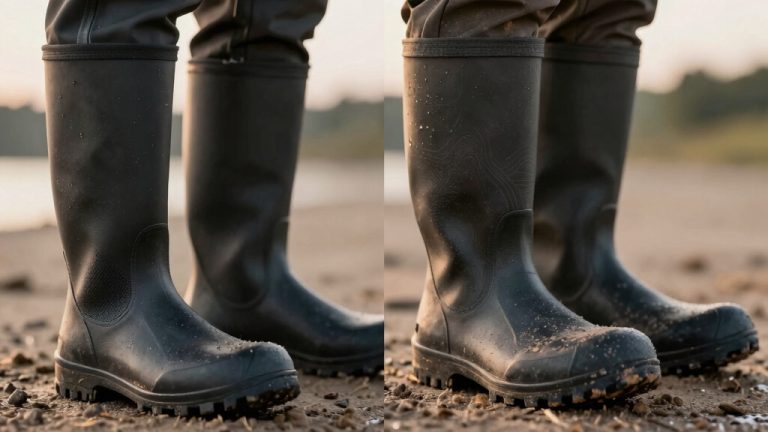
Don’t forget sturdy waders and a reliable net.
Conditions get tough, but with the right setup, you can still land quality fish when others struggle.
How Do Water Temperature Changes Affect Trout Behavior Daily?
You’ll notice trout become more active as water temperatures rise, especially from late morning to mid-afternoon when the water warms above 40°F. They feed aggressively during this window, making it your prime fishing time.
In colder periods, their feeding window shortens, so focus your efforts around midday. Early mornings and evenings are often too cold, slowing trout metabolism and reducing activity.
Adjust your fishing schedule accordingly.
Where Are the Best Smaller Tributaries for Fishing During Runoff?
You’ll find the best smaller tributaries for fishing during runoff in side channels, spring creeks, and lesser-known streams around Jackson Hole.
These waters stay clearer and calmer when main rivers run high and murky.
Target spring creeks like Flat Creek or side channels off the Snake River. They hold trout actively feeding despite runoff.
Focus on slower flows and deeper pools where trout seek refuge from fast, off-color water.
When Is the Best Time to Fly Fish Jackson Hole?
You might think spring’s unpredictable weather and snowmelt runoff would deter you, but they actually set the stage for summer’s prime fishing season in Jackson Hole.
While summer offers steady warmth and abundant fish activity, September’s crisp air and vibrant fall colors create a unique, tranquil experience you won’t find any other time.
Embrace the contrasts. Each season’s challenges and rewards deepen your connection to the river and sharpen your fly fishing skills.