
Are Carp Bad for Ponds? Benefits, Risks & Facts
If you let carp overpopulate your pond, their foraging stirs up sediments and increases turbidity. This uproots aquatic plants, reducing water clarity and habitat quality.
High carp densities promote algae blooms and oxygen depletion, harming pond ecosystems. However, keeping carp at low to moderate levels can control excessive vegetation without major disruption.
Managing their numbers and monitoring water conditions helps balance benefits and risks. Understanding carp’s ecological role is key to maintaining a healthy pond environment and avoiding long-term damage.
Key Takeaways
- High carp densities disrupt sediment and uproot plants, causing increased turbidity and habitat degradation in ponds.
- Carp feeding stirs up nutrients and mud, reducing water clarity and promoting harmful algal blooms.
- Low to moderate carp populations can control excessive aquatic vegetation without severely harming pond ecosystems.
- Overabundant carp reduce submerged plants, weakening habitat complexity and biodiversity for aquatic life.
- Proper carp management, including density control and habitat buffers, minimizes ecological damage and supports pond health.
Why the Number of Carp Matters in Your Pond?
Although carp can inhabit ponds without causing harm, the number of carp you maintain plays a crucial role in determining their ecological impact.
When carp density is low, their sediment disturbance and plant uprooting remain limited, allowing aquatic vegetation and sediment stability to persist.
However, as carp numbers increase, their benthic foraging intensifies, resuspending sediments and disrupting habitat structure.
This change can reduce biodiversity by favoring turbid, phytoplankton-dominated conditions over clear, plant-rich environments.
Additionally, high carp densities amplify nutrient cycling through sediment disturbance, influencing ecosystem dynamics.
Consequently, managing carp populations at moderate levels is essential to balance their presence with maintaining pond ecological function and complexity.
Your stocking decisions directly affect whether carp serve as non-disruptive residents or agents of ecological degradation in your pond.
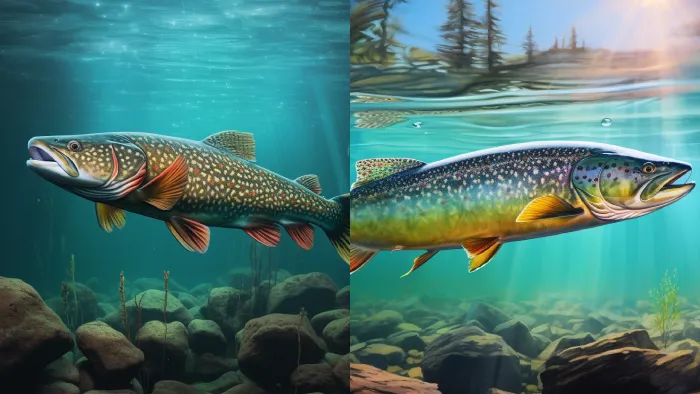
Moreover, the presence of invasive species like trout can further complicate pond ecosystems by altering predator-prey dynamics and impacting native aquatic life.
How Carp Affect Pond Water Quality?
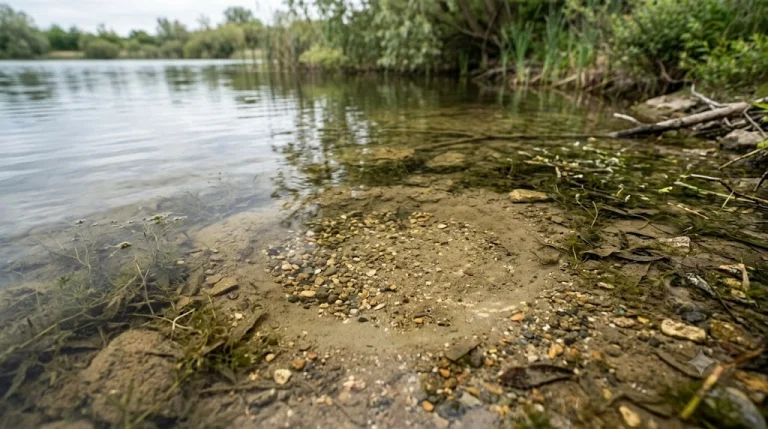
Carp influence pond water quality primarily by disturbing bottom sediments during feeding. This resuspends mud and nutrients into the water column.
The sediment resuspension increases turbidity and suspended solids, reducing water clarity and light penetration. As a result, nutrient release from disturbed sediments can exacerbate eutrophication, promoting algal blooms.
Intensive carp populations may lower dissolved oxygen levels due to organic pollution from fish waste and feed, which raises decomposition demand. While moderate carp densities mightn’t cause significant water quality issues, high-density populations often degrade conditions.
This shift moves ponds toward nutrient-rich, turbid states. Consequently, managing carp density is critical to maintaining balanced water quality and minimizing risks associated with sediment disturbance and nutrient cycling in pond ecosystems.
Additionally, carp activity varies with water temperature, with reduced movement in cold water conditions leading to different impacts on sediment disturbance and oxygen levels.
How Carp Impact Aquatic Plants and Habitat?
The disturbance of sediments by carp feeding not only affects water quality but also directly damages aquatic plants and habitat structure. When carp forage on the pond bottom, they uproot macrophytes, reducing submerged vegetation that provides essential habitat for invertebrates and small fish.
This plant loss weakens sediment stabilization, increasing turbidity and hindering plant regrowth. As a result, the pond shifts toward a simplified, phytoplankton-dominated state, decreasing ecological complexity and biodiversity.
Without rooted plants, habitat structure deteriorates, limiting shelter and food sources for aquatic organisms. The cumulative effect favors persistent turbidity and habitat degradation, particularly at high carp densities.
Consequently, managing carp populations is vital to maintaining aquatic vegetation and preserving habitat integrity in pond ecosystems. Similar to how depth and habitat structure influence species presence in deep sea fishing, aquatic vegetation plays a critical role in supporting diverse aquatic life by providing essential habitat structures.
When Carp Are Good for Your Pond
Recognize that not all carp impacts are negative. Under certain conditions, they can contribute positively to pond ecosystems. You can benefit from carp presence when their behavior and population density are carefully managed, supporting ecological balance. Carp may help control excessive aquatic vegetation and improve water quality in specific contexts.
Consider these positive aspects:
Grass carp can reduce overgrown submerged plants, preventing habitat clogging and maintaining open water. Properly managed carp ponds often act as nutrient sinks, limiting nutrient release and reducing eutrophication risk. Some carp pond systems support diverse biota and provide ecosystem services like water retention and nutrient fixation. When handling carp for management purposes, it is essential to use proper hand placement to avoid injuring the fish and maintain their health.
How to Keep Carp From Harming Your Pond?
Although carp can markedly impact pond ecosystems, you can minimize their harmful effects by carefully managing their population density and habitat conditions.
First, maintain carp at low to moderate densities to reduce sediment disturbance. This improves water clarity and supports aquatic plants.
Monitor nutrient inputs and avoid overfeeding, as excess waste exacerbates eutrophication and oxygen depletion.
Incorporate vegetation buffers and rooted macrophytes to stabilize sediments and provide habitat complexity, mitigating turbidity.
Regularly assess water quality parameters—turbidity, dissolved oxygen, and nutrient levels—to detect early signs of degradation.
Implement barriers or screens to prevent carp escape and downstream impacts on native communities.
Understanding the role of nutrient cycling in aquatic ecosystems can help optimize management strategies for maintaining pond health.
Frequently Asked Questions
Can Carp Escape From Ponds and Invade Nearby Natural Waters?
Yes, carp can escape from ponds and invade nearby natural waters. When they do, you risk disrupting native fish assemblages and reducing biodiversity.
Escaped carp often outcompete local species, altering ecosystem dynamics. You should manage pond barriers effectively to prevent escapes.
Additionally, controlling pond effluent and aquaculture inputs minimizes downstream ecological impacts. This helps protect connected aquatic ecosystems from invasive carp populations and associated environmental harm.
What Are the Risks of Carp-Related Nutrient Pollution Downstream?
You risk downstream nutrient pollution from carp ponds primarily through nutrient-rich effluent carrying phosphorus and nitrogen.
Sediment disturbance by carp releases nutrients into water, fueling eutrophication and algal blooms in connected ecosystems.
Organic waste and uneaten feed increase decomposition demand, reducing dissolved oxygen downstream.
Additionally, chemicals used in aquaculture may further impact water quality.
Managing carp density and effluent treatment is essential to minimize these nutrient pollution risks effectively.
How Do Carp Escapes Affect Native Fish Populations?
When carp escape, they can reduce native fish populations by up to 40% in invaded habitats.
You’ll find that escaped carp compete aggressively for food and habitat, disrupting native species’ breeding and feeding patterns.
Their foraging stirs sediments, degrading water quality and harming native fish habitats.
This ecological imbalance often lowers biodiversity and alters fish community structures, making it harder for native species to survive and reproduce effectively.
Are There Environmental Concerns With Chemicals Used in Carp Farming?
Yes, you should be concerned about chemicals used in carp farming.
Disinfectants, medications, and other aquaculture inputs can enter pond effluents and affect downstream ecosystems.
These substances may disrupt aquatic organisms, contributing to biodiversity loss and altering native communities.
Managing chemical use carefully is essential to minimize environmental impacts, avoid contamination, and maintain ecological balance in connected waters.
Proper regulation and monitoring help reduce these risks effectively.
Can Carp Ponds Support Threatened or Rare Species Despite Carp Presence?
You can find threatened or rare species in carp ponds, especially when carp density and species are carefully managed. Some pond systems maintain biodiversity and support macrophytes despite carp presence.
Properly controlled carp populations may even enhance ecosystem services like nutrient fixation and water retention, benefiting sensitive species. However, you need to monitor and balance carp impact, as excessive disturbance or high densities can degrade habitat quality and reduce species diversity.
The Bottom Line on Keeping Carp in a Healthy Pond
When managing carp in your pond, remember that too many can disrupt water quality and harm aquatic plants.
However, a balanced number can contribute to nutrient cycling and habitat diversity. As the saying goes, “Too much of a good thing can be bad.”
By monitoring carp populations and maintaining proper pond conditions, you can prevent negative impacts while supporting a healthy ecosystem.
This approach guarantees your pond remains vibrant and sustainable.