Best Time to Fish Montana: When Should You Go Fishing?
You’ll find the best time to fish Montana from mid-June to mid-July when water temperatures stabilize between 55°F and 65°F. This maximizes trout metabolism and feeding.
During this window, synchronized insect hatches and manageable flow rates improve visibility and fish activity. Longer daylight hours extend prime fishing periods, especially around midday.
Post-runoff clarity and diverse accessible waters further enhance success. Exploring seasonal dynamics and regional river conditions can refine your approach and timing for peak results.
Key Takeaways
- Late June through August offers the most reliable and productive fishing conditions in Montana with stable water temperatures and consistent insect hatches.
- Mid-June to mid-July is the peak window for fishing, featuring synchronized insect hatches and extended daylight for longer fishing sessions.
- Spring and pre-runoff seasons provide clearer waters and fewer anglers, ideal for precise fly presentation and targeting deep pools.
- Runoff season increases turbidity and current speed, so targeting tailwaters and spring-fed rivers like the Bitterroot and Madison improves success.
- Fall fishing in September and October targets brown trout feeding before spawning, with reduced angler pressure and access to key holding areas.
Best Overall Season for Montana Fishing
Although fishing opportunities exist year-round in Montana, late June through August consistently delivers the most reliable and productive conditions for anglers.
During this period, water temperatures stabilize, promoting increased fish metabolism and feeding activity across diverse species.
Flow rates often settle post-runoff, enhancing water clarity and improving visibility for both fish and anglers.
You’ll find a broader range of accessible waters, from high mountain streams to large rivers, offering varied habitats and species.
The extended daylight hours further facilitate longer fishing sessions, maximizing your catch potential.
Furthermore, summer’s consistent insect hatches create predictable feeding patterns critical for effective fly fishing.
This window balances biological factors and environmental stability, making it the prime season for dependable, diverse, and high-quality fishing experiences in Montana.
Adapting your fishing tactics to environmental changes during this season can further enhance your success on the water.
Why Mid-June to Mid-July Is Peak Montana Fishing Time?
Mid-June to mid-July is such an exciting time for fishing in Montana! The weather is just right—temperatures are stable, and the runoff is at a manageable level, which means the water is clearer. It’s a game-changer for anglers.
During this time, fish are super active. The warming waters really get them moving, and there’s plenty of food around for them to munch on. All these factors come together to create a fantastic fishing experience. You can expect a productive window across Montana’s beautiful waterways, making it a prime time to cast your line! Many anglers enhance their success by using seasonal patterns and techniques tailored to this peak period.
Optimal Weather Conditions
When mid-June arrives, Montana’s rivers and streams reach ideal temperature and flow conditions that enhance fish activity and feeding patterns.
Water temperatures stabilize between 55°F and 65°F, prime for trout metabolism and oxygen levels.
Runoff subsides, reducing turbidity and increasing water clarity, which sharpens fish vision and feeding efficiency.
Flow rates moderate, providing a balance between sufficient oxygenation and manageable current speeds.
This allows fish to conserve energy while actively foraging.
Air temperatures warm consistently, promoting insect hatch synchronization that fuels aquatic food webs.
These combined meteorological and hydrological factors create a precise ecological window, maximizing feeding opportunities and fish responsiveness.
Additionally, the increased oxygen levels from stable flows support higher trout metabolism, encouraging more active feeding behavior during this period.
Consistent Fish Activity
Since mid-June to mid-July coincides with stabilized water temperatures and reduced runoff. Fish exhibit more predictable feeding behaviors during this window.
You’ll notice trout and other species actively feeding as insect hatches peak and water clarity improves. This consistency allows you to anticipate prime feeding times and locations, improving your catch rate markedly.
The environment promotes steady metabolic rates in fish, making daytime activity more reliable. Monitoring water temperature during this period helps confirm optimal conditions for fish activity, further enhancing your fishing success.
Here’s a breakdown of common fish behaviors during this period:
| Time of Day | Fish Activity |
|---|---|
| Early Morning | Feeding on emergers |
| Midday | Active surface feeding |
| Afternoon | Subsurface feeding |
| Evening | Increased insect activity |
| Night | Reduced but steady feeding |
Understanding these patterns helps you optimize your fishing strategy during Montana’s prime season.
Spring Fishing: Early Season Advantages in Montana
Fishing in Montana before the spring runoff is a real treat. You get clearer waters and fewer anglers out there, which means better chances for landing some quality catches. Isn’t that what we all want?
Plus, those early-season insect hatches in April and May really get the fish moving. They start feeding actively, and if you know when and where to go, you can really make the most of it. Understanding these pre-runoff dynamics can help you optimize your timing and location, leading to some fantastic spring outings. So, gear up and get ready for an adventure! Trout tend to have peak activity during spring and early summer when insect hatches are abundant.
Pre-Runoff Fishing Benefits
Although runoff season can disrupt river clarity and flow, fishing in Montana before this period offers distinct advantages.
You’ll find rivers clearer and flows more stable, enhancing trout feeding behavior and your ability to detect bites.
Early spring’s cooler water temperatures slow metabolism but increase oxygen levels, benefiting trout health and activity.
Additionally, fewer anglers fish before runoff, reducing pressure on fish populations and improving your chances for quality catches.
The pre-runoff period also features less turbulent currents, allowing you to present flies with precision and access areas that become inaccessible during high water.
Trout tend to remain stationary in deep pools or slow currents during cooler temperatures, which helps conserve energy and improves feeding success in these stable pre-runoff conditions, especially in deep pools and slow currents.
Productive Early Hatches
Frequently, early spring in Montana triggers a surge of aquatic insect hatches that markedly enhance trout feeding activity.
You’ll find these hatches critical for successful early season fishing because they stimulate trout to aggressively feed after winter.
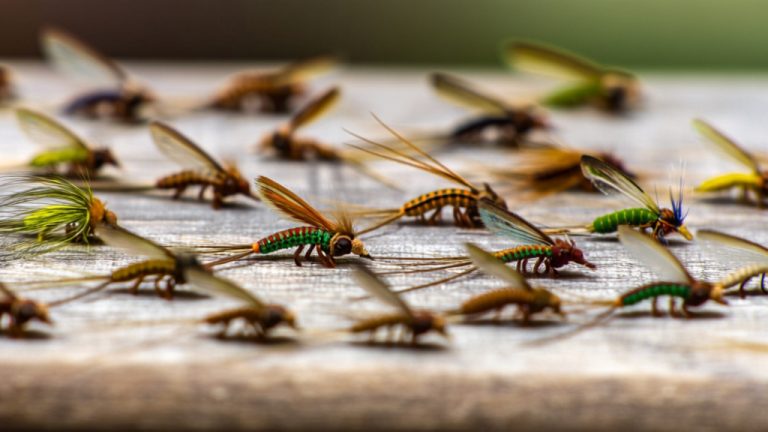
Key hatch types to monitor include:
Blue-winged olives (Baetis), common in April and May, drive significant trout surface feeding.
March browns, emerging in early spring, attract trout to both nymph and adult patterns.
Caddisflies, appearing as water temperatures rise, offer important food sources.
Midges, present year-round but especially prolific in early spring, sustain trout when other insects are scarce.
Understanding this hatch dynamics helps you select the right fly patterns and time your outings to exploit peak trout responsiveness during Montana’s early fishing season. Additionally, the cooler water temperatures typical of early spring slow trout metabolism, which can extend feeding activity during these hatches.
Fishing Strategies During Montana’s Runoff Season
Since runoff markedly alters river clarity and flow, you need to adjust your fishing strategies to these dynamic conditions. Increased sediment load reduces visibility, so focus on using larger, more visible flies or lures that create vibration to attract trout.
Target slower-moving eddies and seams where fish conserve energy and feed opportunistically. You should fish during periods of stable flow within runoff cycles, as sudden surges can disrupt trout behavior.
Employ weighted nymph rigs or streamer patterns to reach deeper holding areas, compensating for faster currents. Monitoring water temperature and turbidity aids in selecting prime times and locations.
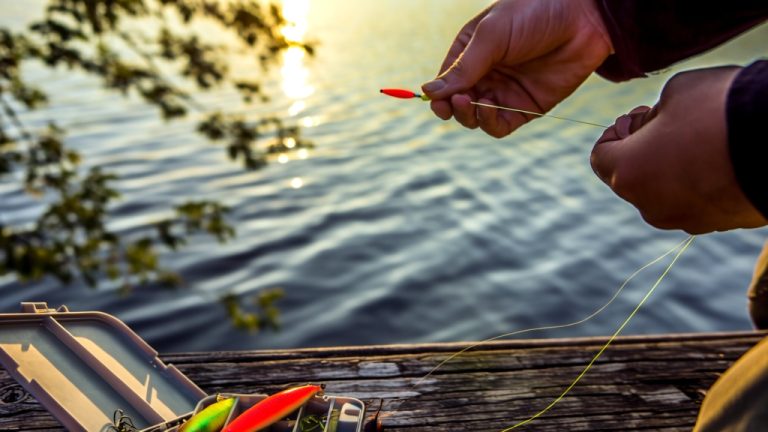
Add split shot incrementally until bottom contact is sensed, then remove one to hover above the substrate for an optimal presentation in these challenging conditions using weight adjustment techniques.
Best Montana Rivers for Fishing During Runoff
If you’re planning a fishing trip in Montana during runoff, it’s essential to pick rivers that keep their flows stable. This can really boost your chances of reeling in a big one!
To do this, you’ll want to take a close look at flow data and sediment levels. Turbulent water can make it tough for fish to be active and can reduce your visibility, which can be a bit frustrating. Understanding how water movement and currents influence fish behavior can help you choose the best fishing spots during these conditions.
Select Rivers With Stable Flows
Although runoff typically disrupts fishing conditions across many Montana rivers, several waterways maintain stable flows that allow for more consistent angling opportunities during this period.
You’ll find these rivers less affected by snowmelt variability, providing clearer water and manageable currents.
Targeting them during runoff improves your chances for productive fishing when many other rivers are turbid or swollen.
Key Montana rivers with stable flows during runoff include:
- Bitterroot River: Fed by springs, it sustains steady flow and clarity.
- Yellowstone River (lower stretches): Large volume dilutes sediment, stabilizing conditions.
- Madison River: Controlled by upstream reservoirs, reducing flow fluctuations.
- Missouri River (below Holter Dam): Regulated flows maintain consistent fishing conditions.
For stable and safe river fishing during runoff, choosing boats with dual air chambers or inflatable floors can enhance your experience by providing better stability and flotation in varying river conditions.
Best Spots During Runoff
When runoff ramps up in Montana, targeting rivers with stable flows becomes essential for maintaining productive fishing conditions.
During this period, rivers like the Missouri below Holter Dam and the Yellowstone below the dams maintain relatively steady flows due to controlled releases. This provides clearer water and better fish feeding behavior.
These tailwaters reduce turbidity caused by snowmelt, allowing you to use standard fly patterns effectively. Additionally, spring creeks such as the Boiling River offer consistent flows and temperatures, creating localized refuges for trout.
Conversely, mainstem rivers without flow regulation often experience high, murky conditions that complicate fishing.
Summer Montana Fishing: Prime Conditions and Tips
Consistently, summer stands out as the prime season for fishing in Montana, offering ideal conditions across a wide range of waters.
From late June through August, water temperatures stabilize, increasing trout activity and hatch frequency.
By mid-June to mid-July, you’ll find the most dependable “classic Montana” fishing experience with broad accessibility.
When fishing in summer, consider these key factors:
Target mid-day hours when water temperatures and insect activity peak, boosting trout feeding.
Focus on rivers with stable flows post-runoff, as clarity improves and fish become more predictable.
Use scientifically selected fly patterns matching prevalent hatches like caddis and mayflies.
Monitor water temperature closely; trout feeding sharply declines above 68°F, so adjust tactics accordingly.
Applying these strategies enhances your odds for consistent, productive summer fishing in Montana.
Fall Montana Fishing: Targeting Trophy Browns
As summer fishing winds down, fall opens a distinct window for anglers aiming at trophy brown trout in Montana’s waters.
During September and October, browns exhibit increased movement, often migrating toward spawning grounds, which makes targeting them more strategic.
Cooler water temperatures enhance their feeding activity, especially around streamers and larger nymph patterns.
You’ll notice reduced angler pressure, providing better access to prime habitats.
Analyzing flow rates and water clarity during this period is vital, as stable flows promote more predictable fish behavior.
Focus on deeper pools and riffle-tailout shifts where browns stage before spawning.
By adjusting your tactics to these environmental cues, you increase your chances of landing larger specimens.
Capitalize on fall’s unique ecological and behavioral patterns in Montana’s trout fisheries.
Winter Montana Fishing: What to Expect and Where to Go
Although winter in Montana presents colder and more challenging conditions, anglers who understand the nuances of this season can still find productive opportunities.
Winter in Montana challenges anglers, but those attuned to its nuances discover rewarding fishing opportunities.
You’ll want to focus on specific waters where conditions remain favorable despite low temperatures.
Tailwaters below dams maintain stable flows and temperatures, supporting consistent trout activity.
Spring creeks offer relatively warm water year-round, encouraging steady feeding behavior.
Expect lower fish metabolism and slower movements, requiring precise, subtle presentations.
Winter fishing emphasizes solitude and technical skill, as fewer anglers venture out.
Best Times of Day to Fish Montana Waters
Winter fishing highlights how fish behavior shifts with temperature and light, which also influences the best times of day to target Montana waters throughout the year.
During colder months, fish metabolism slows, making afternoon periods when water temperatures peak more productive.
Conversely, in warmer seasons, trout activity often intensifies during mid-morning to early afternoon, aligning with prime light and feeding conditions.
You’ll notice that in spring and fall, cooler mornings and evenings trigger increased movement as fish capitalize on lower light levels and stable temperatures.
Local variables such as river flow, clarity, and species-specific behavior affect these patterns, so adapt your timing accordingly.
Understanding these diel rhythms helps you maximize fishing success by syncing your efforts with fish activity cycles in Montana’s diverse waters.
Planning Your Montana Fishing Trip Around the Seasons
When planning your Montana fishing trip around the seasons, you’ll need to factor in how environmental conditions and fish behavior shift throughout the year. Seasonal variations affect water temperature, flow, and clarity, directly influencing fish activity and feeding patterns.
To optimize your trip, consider these key seasonal dynamics:
- Late spring (March-May): Productive hatches and opening trout seasons. Watch for runoff starting mid-May that reduces water clarity.
- Summer (late June-August): Most consistent fishing window with stable flows and peak fish activity. Ideal for broad water access.
- Fall (September-October): Cooler temperatures trigger spawning movements, especially for brown trout. Fewer anglers and quality catches.
- Winter (November-March): Limited options. Focus on tailwaters and spring creeks for technical fishing in colder, less predictable conditions.
Aligning your trip guarantees a scientifically informed, successful Montana fishing experience.
Frequently Asked Questions
What Are the Best Fly Patterns for Montana Trout Fishing?
You’ll want effective fly patterns like the Elk Hair Caddis and Parachute Adams, which imitate common adult mayflies.
For nymphs, use Pheasant Tail and Hare’s Ear variants that mimic subsurface insects.
During hatches, Baetis and Pale Morning Dun imitations excel.
Streamers such as Woolly Bugger and Muddler Minnow target aggressive trout.
Matching local insect size and color is critical, so adjust flies based on river conditions and seasonal insect activity.
How Do Fishing Regulations Vary by Montana River?
Fishing regulations vary markedly by Montana river, so you’ll need to check specific rules for each waterway.
These differences include seasonal closures, catch-and-release zones, bait restrictions, and daily bag limits.
Some rivers mandate barbless hooks or fly-fishing-only rules to protect sensitive trout populations.
You’ll also find variable size limits and gear restrictions designed to balance conservation with angler opportunity, reflecting each river’s unique ecology and management goals.
What Gear Is Recommended for Montana’s Different Fishing Seasons?
Picture crisp spring mornings: you’ll want lightweight rods with 4-6 wt lines for nimble trout fishing amid warming waters.
As summer heats up, switch to sturdier 6-8 wt gear, matching larger flies and heavier leaders to tackle active, bigger fish.
During fall’s cooler spells, use intermediate or sinking lines for streamer presentations targeting trophy browns.
In winter, rely on sensitive, shorter rods and fine leaders for technical, patient fishing in colder, slower flows.
Are Guided Fishing Trips Worth It in Montana?
Yes, guided fishing trips in Montana are worth it, especially if you want to optimize your time and success.
Guides provide expert knowledge on local fish behavior, seasonal patterns, and prime locations, improving your catch rate.
They also supply specialized gear and teach advanced techniques, which can be invaluable in complex conditions.
For both novices and experienced anglers, guided trips offer a scientifically informed, efficient, and safer fishing experience.
How Does Weather Affect Fishing Success in Montana?
Weather directly influences water temperature, clarity, and fish behavior, so you’ll notice fishing success fluctuates with seasonal changes.
Warmer weather boosts trout activity, especially in summer, while spring runoff can reduce water clarity and complicate fishing.
Cooler fall temperatures trigger fish movement toward spawning areas, often improving catch rates.
You’ll find that stable weather with moderate flows typically enhances feeding patterns, making your efforts more productive and predictable.
Montana Fishing: When to Go for the Best Opportunities
You might think Montana’s fishing peaks only in summer, but that’s not the whole story. Each season offers unique conditions: spring’s early hatches, runoff’s dynamic waters, fall’s trophy browns, and winter’s quiet opportunities.
By understanding seasonal patterns and adjusting your strategies, you’ll maximize your catch year-round. So, don’t limit your trip to mid-June; instead, plan with precision to exploit Montana’s diverse fishing windows scientifically and effectively.