
What to Feed Carp in a Pond: Tips for Healthy Growth
You feed carp in a pond by combining natural foods like insects, zooplankton, and aquatic plants with supplemental pelleted feeds tailored to their life stage.
Maintain pond fertility to enhance natural food availability, reducing reliance on external feeds.
Use pelleted feeds containing 25–30% protein for fingerlings, gradually shifting to a balanced mix of agricultural by-products and plant-based feeds for adults.
Adjust feeding rates based on fish size, pond conditions, and consumption to prevent waste.
Explore deeper for all-inclusive feeding strategies.
Key Takeaways
- Feed carp natural pond organisms like insects, larvae, zooplankton, molluscs, and algae by maintaining pond fertility and water quality.
- Provide aquatic plants such as Azolla, Lemna, Vallisneria, and grass fodder for herbivorous carp and to support natural food chains.
- Use formulated pelleted feeds with 25–30% protein, especially for fingerlings, alongside natural food to ensure balanced nutrition.
- Adjust feeding rates by fish life stage, starting high (up to 5%) for early growth and reducing to 1–2% for mature carp.
- Feed 1–3 times daily during peak carp activity, monitor consumption closely to avoid overfeeding and reduce feed waste.
Natural Foods Carp Eat in Ponds
Carp frequently rely on a diverse range of natural foods available within their pond environment to meet their nutritional needs.
You’ll find they consume insects, larvae, worms, molluscs, zooplankton, algae, and decayed plant matter. In a well-fertilized pond, natural food organisms flourish, reducing your need for supplemental feeding.
As carp fry develop, they’ll initially feed on rotifers before progressing to larger zooplankton like Moina and Daphnia.
While pond plants contribute indirectly by supporting bottom-dwelling organisms, your focus should be on maintaining pond fertility to sustain this natural food base.
This diverse diet supports carp growth effectively, enhancing their health and minimizing reliance on artificial feeds.
Monitoring pond conditions guarantees the natural ecosystem remains balanced for peak carp nutrition.
Maintaining carp at low to moderate densities helps preserve aquatic vegetation and supports the natural food web within the pond.
Pond Plants and Natural Food for Carp
Pond plants are super important for creating a variety of natural food sources, like insects, larvae, and zooplankton, which are essential for carp nutrition. These plants help support all sorts of organisms that carp can feed on, either directly or indirectly. It’s pretty fascinating how they play such a crucial role in the carp’s diet!
Plus, keeping the aquatic vegetation healthy can boost the overall fertility of your pond. This means you mightn’t even need as much supplemental feeding. So, by nurturing those plants, you’re doing a big favor for the carp and the entire pond ecosystem!
Seasonal changes in temperature and flow can strongly influence the availability of these natural food sources, emphasizing the importance of maintaining a balanced ecological habitat.
Natural Food Sources
Although supplemental feeding plays a role in carp culture, natural food sources such as pond plants and bottom-dwelling organisms form the foundational diet in many pond systems. Carp are omnivorous and consume a variety of natural foods that support growth and health.
You should recognize these key components:
- Insects, larvae, and worms found in sediment provide essential proteins.
- Molluscs contribute calcium and other minerals.
- Zooplankton like Daphnia and Moina serve as primary food for fry and juveniles.
- Algae and decayed plant matter supply carbohydrates and nutrients.
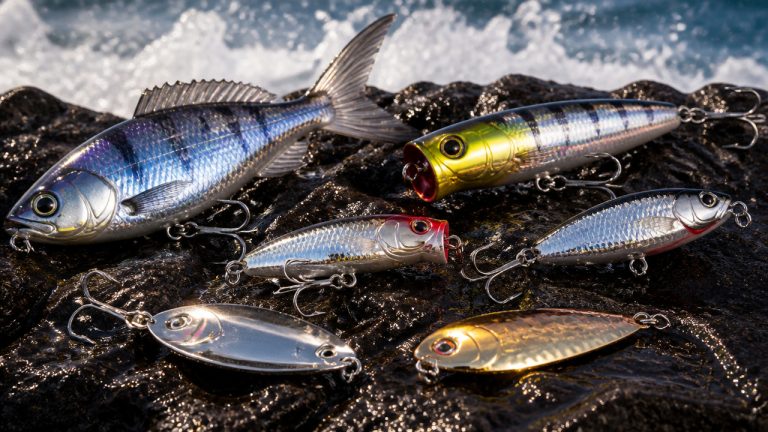
Maintaining pond fertility promotes the proliferation of these organisms, reducing reliance on supplemental feeds. Additionally, understanding the role of soft plastic lures in attracting fish can help anglers simulate natural prey behavior in pond environments.
Role Of Pond Plants
Supporting diverse pond plants greatly enhances the natural food availability for carp by providing shelter, breeding grounds, and direct nourishment.
Aquatic plants like Azolla, Lemna, and Vallisneria create habitats for insects, larvae, and zooplankton, which carp consume as part of their omnivorous diet.
These plants also contribute detritus that supports bottom-dwelling organisms such as worms and molluscs, further enriching natural food sources.
Maintaining healthy vegetation improves pond fertility, reducing the reliance on supplemental feeds.
For herbivorous species like grass carp, aquatic plants serve as primary feed, while juvenile carp benefit from the microfauna sustained by pond flora.
By encouraging a balanced plant community, you foster a sustainable ecosystem that supports carp growth efficiently and naturally.
This optimizes pond management and feed strategies.
Repurposing materials like old fishing waders into waterproof gear can support sustainable pond management practices by reducing environmental impact.
Feeding Grass Carp: Aquatic Plants and Vegetation
Feeding grass carp primarily involves providing a variety of aquatic plants and vegetation suited to their herbivorous diet.
You should focus on offering species that support optimal growth and health, such as submerged and floating plants.
Consider these guidelines:
- Include aquatic plants like Hydrilla, Ceratophyllum, Vallisneria, and Chara, as they’re readily consumed by grass carp.
- Supplement with floating plants such as Azolla, Wolffia, Lemna, and Spirodela to diversify nutrient sources.
- Provide green fodder like berseem, napier, or elephant grass for juvenile and adult carp, enhancing dietary fiber.
- Offer tender leaves from vegetables or trees to larger specimens, ensuring adequate roughage and palatability.
Maintaining this plant-based diet aligns with the species’ natural feeding behavior and supports sustainable pond management.
Using the right rod length and action can enhance your ability to manage and harvest pond fish like grass carp effectively.
Agricultural By-Products in Carp Nutrition
Several agricultural by-products serve as valuable nutritional components in carp diets, especially in pond systems where natural food alone may not meet growth demands. These by-products provide essential proteins, carbohydrates, and energy necessary for peak carp growth.
You’ll often use rice bran, soybean meal, and cereal residues, which enhance dietary diversity and improve feed conversion efficiency.
| By-Product | Nutritional Benefit |
|---|---|
| Rice Bran | High energy, fiber content |
| Soybean Meal | Rich protein source |
| Cereal Residues | Carbohydrate supplementation |
Incorporating these by-products can partially substitute natural food, especially in subtropical pond culture. However, balance their use with pond fertility status to maintain water quality and fish health. Consideration of water quality is essential when optimizing pond feed strategies.
Choosing Pelleted and Compounded Carp Feeds
While agricultural by-products serve as important components in carp diets, pelleted and compounded feeds offer a more controlled and nutritionally balanced alternative.
You’ll find these feeds particularly useful when aiming for consistent growth and precise nutrient delivery.
When choosing pelleted feeds, consider these factors:
- Protein content: Opt for pellets with 25–30% protein to support peak carp growth.
- Feed type: Use floating pellets to allow carp to access natural pond food simultaneously.
- Ingredient composition: Look for mixes including soybean meal, cereal meals, and meat meal for balanced nutrition.
- Feeding method: Employ compounded feeds in controlled programs to minimize waste and improve feed efficiency.
Additionally, it is important to avoid feeding carp with high carbohydrate foods like bread regularly, as this can lead to digestive issues and poor water quality.
Calculating and Adjusting Carp Feeding Rates
Determining the appropriate feeding rate for carp requires careful calculation based on the biomass present in your pond and the fish’s growth stage.
You’ll typically start by estimating the total weight of carp in the pond, then apply a feeding rate expressed as a percentage of body weight. Commonly, this is around 2% daily, though higher rates up to 5% suit early growth stages. Mature fish may require closer to 1%.
Adjust feeding by closely monitoring consumption. Feed only what carp can consume promptly to minimize waste and water quality degradation.
Regularly sample fish growth to refine rates, ensuring nutritional needs match physiological demand. Remember, pond fertility and natural food availability also influence supplemental feeding amounts.
Integrate these factors into your calculations for peak feed efficiency and carp health. Just as a bamboo fly rod’s balanced medium action enhances casting precision, adjusting feeding rates precisely improves carp growth and pond ecosystem balance.
When and How Often to Feed Carp?
Although carp can survive on natural pond foods alone, providing supplemental feed at appropriate times and intervals optimizes their growth and health. You should feed carp based on their biomass and activity patterns to maximize feed utilization and growth efficiency.
- Feed carp 1 to 3 times daily, adjusting frequency with water temperature and fish size. Warmer temperatures and larger fish generally require more frequent feeding.
- Early-stage fry may need multiple small feedings daily, while juveniles and adults typically thrive on two feedings.
- Schedule feedings during peak carp activity, often mid-morning and late afternoon, to guarantee efficient consumption.
- Monitor feeding response and adjust timing or quantity accordingly to avoid underfeeding and support optimum growth rates.
Consistent, well-timed feeding enhances carp health and pond productivity. Additionally, maintaining proper temperature and humidity during feeding times helps reduce stress and supports better metabolic function in carp.
Preventing Overfeeding and Feed Waste in Carp Ponds
To keep your carp ponds healthy, it’s super important to control how much feed you give the fish. If you overfeed, it can lead to waste that harms water quality. So, keeping an eye on how much the carp are actually eating is key. This way, you can adjust how often and how much you feed them based on their appetite and growth stages.
Using feeding trays can really help with this. They allow you to deliver the feed more precisely and make it easier to observe how much the fish are actually consuming. This kind of management can make a big difference in maintaining a healthy pond environment! Additionally, understanding the seasonal movement patterns of fish can help optimize feeding schedules to match their natural activity levels.
Controlled Feed Amounts
Many carp producers recognize that controlling feed amounts is essential for optimizing growth while minimizing waste.
When you regulate feed input precisely, you ensure carp consume nutrients efficiently. This reduces excess feed that can degrade water quality.
To control feed amounts effectively:
- Calculate feed based on current fish biomass to match nutritional needs without surplus.
- Divide daily rations into multiple smaller feedings to improve intake and reduce leftovers.
- Adjust feed quantities according to seasonal growth variations and pond fertility status.
- Use feeding trays or calibrated feeders to deliver measured feed portions and observe consumption.
Monitoring Consumption Rates
Consistently monitoring carp consumption rates helps prevent overfeeding and reduces feed waste. This, in turn, can degrade water quality and increase production costs.
You should observe how quickly carp consume feed during each feeding session and adjust feed quantities accordingly. If feed remains uneaten after 10–15 minutes, reduce the next feeding to minimize spoilage and nutrient loading in the pond.
Regularly sampling fish biomass and growth rates also informs feed adjustments. Since carp feed on natural pond organisms, consider seasonal variations in natural food availability to avoid excessive supplemental feeding.
Monitoring consumption prevents excess organic matter accumulation, which can lead to hypoxia and algal blooms. By aligning feed input with actual consumption, you optimize feed efficiency, maintain water quality, and support sustainable carp pond management.
Using Feeding Trays
Observing carp feeding behavior provides valuable insights, but controlling feed delivery can enhance efficiency and reduce waste.
Using feeding trays allows you to regulate the amount and timing of feed, minimizing uneaten portions that degrade water quality. You can monitor consumption precisely and adjust feeding rates accordingly.
To optimize feeding with trays, consider these points:
- Place trays in accessible, well-lit areas to attract carp and encourage uniform feeding.
- Offer feed quantities that carp can consume within 15–20 minutes to prevent leftover feed accumulation.
- Regularly clean trays to avoid feed spoilage and maintain water quality.
- Use trays to observe feeding intensity and adjust schedules or feed types based on carp growth and pond conditions.
Implementing feeding trays supports sustainable pond management and maximizes feed utilization.
Carp Feed for Different Life Stages and Growth Patterns
Adjusting carp feed according to their life stage and growth patterns is essential for optimizing nutrition and promoting healthy development.
During the larval stage, carp primarily consume rotifers and small zooplankton like Moina and Daphnia. They require highly digestible, protein-rich starter feeds at rates up to 40% of body weight daily.
As fingerlings mature, introduce pelleted feeds with 25–30% protein while allowing access to natural pond organisms.
Juvenile and adult carp benefit from a balanced diet combining agricultural by-products, plant-based feeds, and compounded pellets. Adjust protein levels to support moderate growth rates.
For grass carp, provide softer aquatic plants during early stages, progressing to tougher forage as they grow.
Monitoring growth and consumption lets you fine-tune feeding rates, typically reducing from 5% to around 1–2% of body weight over time for efficiency and health.
Pond Fertility and Water Quality’s Role in Carp Feeding
Since pond fertility and water quality directly affect the availability of natural food organisms, you must manage these factors carefully to optimize carp nutrition.
Maintaining balanced nutrient levels promotes the growth of plankton, benthic invertebrates, and aquatic plants essential to carp diets.
Monitor dissolved oxygen, pH, and temperature, as fluctuations can stress fish and reduce feeding efficiency.
You should implement the following practices:
- Regularly test water parameters to sustain ideal conditions for natural food proliferation.
- Apply organic or inorganic fertilizers judiciously to enhance primary productivity without causing eutrophication.
- Control algal blooms and sediment accumulation to prevent oxygen depletion and toxic conditions.
- Manage pond vegetation to support herbivorous carp species and maintain habitat complexity.
Frequently Asked Questions
How Do Seasonal Temperature Changes Affect Carp Feeding Behavior?
Seasonal temperature changes directly influence carp metabolism and feeding behavior.
When temperatures rise, your carp’s metabolism speeds up, increasing their appetite and feed intake.
Conversely, colder temperatures slow their metabolism, reducing feeding activity and growth rates.
You’ll need to adjust feeding frequency and quantity accordingly, providing more feed during warm months and less during cold periods.
Monitoring consumption closely helps you prevent overfeeding and maintain water quality throughout seasonal shifts.
What Are Signs of Nutritional Deficiencies in Pond Carp?
When nutritional deficiencies sneak into your carp’s diet, their scales might dull like a faded tapestry.
Growth can slow, stunting their potential.
You’ll notice lethargy, reduced feeding response, and irregular swimming patterns.
Fin erosion or deformities, pale gills, and increased susceptibility to disease also signal trouble.
Monitoring these signs closely lets you adjust feeding strategies to restore balance and promote healthy, vigorous pond carp growth.
Can Carp Be Trained to Feed at Specific Times?
Yes, you can train carp to feed at specific times by establishing a consistent feeding schedule.
Carp quickly learn to associate feeding times with food availability, especially if you use feeding trays or specific locations.
Regular timing encourages predictable feeding behavior, improving feed efficiency and monitoring.
However, you need to adjust for growth stages and environmental factors, ensuring carp receive adequate nutrition without overfeeding or stress during the scheduled feedings.
How Does Carp Feeding Impact Pond Algae Growth?
Feeding carp is like adding fuel to a pond’s algae engine.
When you overfeed or supply excess nutrients, you unintentionally feed algae, stimulating its rapid growth.
Uneaten feed and fish waste increase nitrogen and phosphorus, key drivers of algal blooms.
To control algae, you must balance feeding rates carefully, ensuring carp consume most feed and maintain pond fertility.
This delicate nutrient dance influences both carp health and algae levels.
What Are the Best Methods to Store Carp Feed Safely?
To store carp feed safely, you should keep it in a cool, dry place to prevent mold and nutrient degradation.
Use airtight containers to protect against moisture and pests. Avoid direct sunlight, which can degrade feed quality.
Regularly inspect stored feed for spoilage or insect infestation. Rotate stock using the first-in, first-out method to maintain freshness.
Proper storage preserves nutritional value and reduces waste, ensuring ideal carp growth and health.
How to Feed Carp for Optimal Growth and Nutrition
To feed carp effectively, you’ll balance natural foods and pond plants. Supplement with agricultural by-products and select appropriate pelleted feeds.
You’ll adjust feeding schedules to suit growth stages, monitor water quality, and prevent overfeeding. Nurture pond fertility, maintain clarity, and support carp health.
By integrating these elements scientifically, you’ll promote consistent growth, optimize nutrition, and sustain a thriving pond ecosystem where carp flourish and water conditions remain stable.