Where Do You Catch Grouper: Expert Angler’s Guide
You catch grouper mainly near offshore ledges and reef structures, typically between 20 and 500 feet deep, depending on the species.
Red and Black Groupers prefer deeper waters from 100 to 500 feet. Gag and Scamp Grouper frequent shallower zones around 20 to 80 feet, sometimes as shallow as 10 feet.
Locations like the Gulf of Mexico, Florida Keys, and Crystal River offer prime spots. Seasonal activity peaks in warmer months, and tidal shifts improve success rates.
More specifics on habitats, techniques, and regulations await you.
Key Takeaways
- Grouper are commonly caught offshore between 100 and 500 feet near ledges and reef structures.
- Shallow-water species like Gag and Scamp inhabit 20 to 80 feet depths, moving inshore during summer.
- The Florida Keys provide year-round grouper fishing around wrecks, ledges, and artificial reefs.
- Gulf of Mexico from Texas to Florida Panhandle is a prime grouper fishing region.
- Crystal River is notable for shallow-water Gag Grouper, often found in waters as shallow as 10 feet.
Key Depths and Habitats for Grouper Species
When targeting grouper, understanding their preferred depths and habitats is essential for success. You’ll find Red and Black Grouper chiefly between 100 and 500 feet offshore, favoring ledges and reef structures.
Success in grouper fishing comes from knowing their favored depths and reef habitats offshore.
Gag and Scamp Grouper inhabit shallower waters, typically 20 to 80 feet, often moving inshore during summer. Specifically, Gag Grouper can be located in waters as shallow as 10 feet near places like Crystal River.
Artificial reefs placed between 35 and 45 feet depth also attract multiple species. Larger specimens occupy deep-ledge environments, sometimes exceeding 500 feet, especially in the Florida Keys.
These depth preferences reflect grouper behavior related to feeding, spawning, and shelter. Targeting the correct range improves your chances of encounter and catch efficiency.
Using specialized gear and techniques can significantly enhance success when fishing in varying depths and habitats. Specialized gear and techniques
Best US and International Grouper Fishing Locations
Across the United States and abroad, grouper populations concentrate in specific marine environments that provide ideal habitat and feeding conditions.
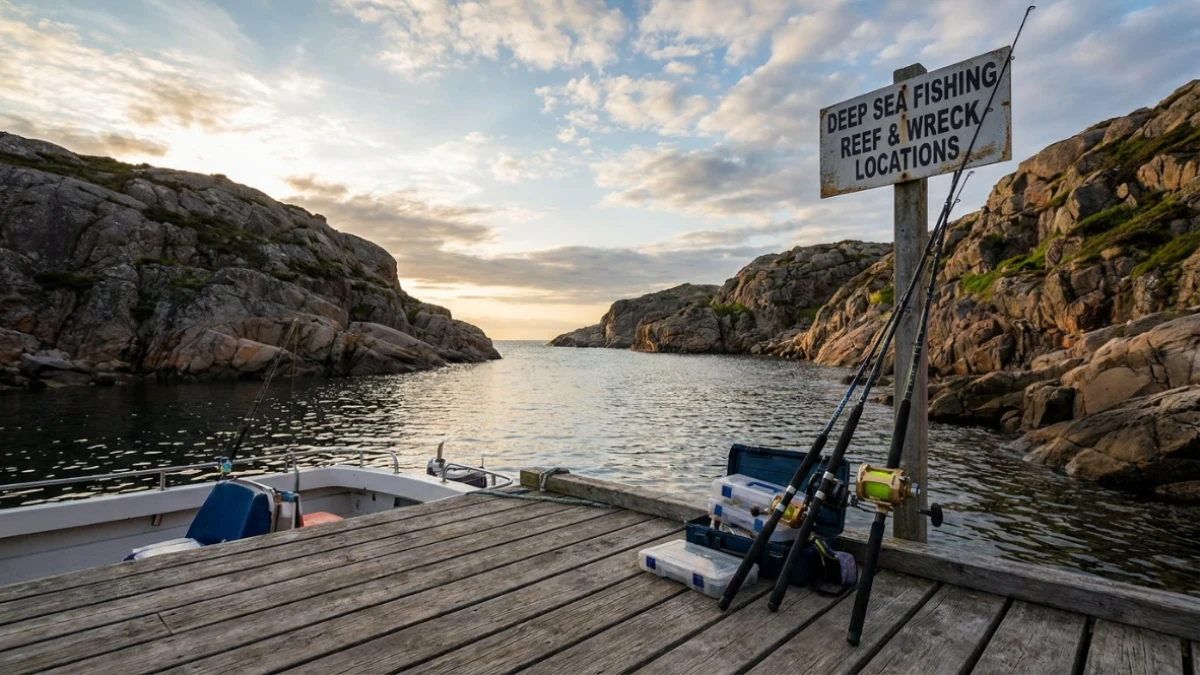
In the US, the Gulf of Mexico from Texas to the Florida Panhandle hosts abundant grouper. The Florida Keys offer year-round access to Black, Gag, Red, and Goliath species near wrecks and ledges.
The Atlantic coast of Florida features artificial reefs and natural structures conducive to grouper aggregation. Crystal River is notable for shallow-water Gag Grouper.
Internationally, Malta supports trophy Giant Grouper in shallow waters. The Maldives provides accessible grouper grounds near Marara Lagoon.
Caribbean patch reefs mirror Florida Keys’ habitats, while deep-water wrecks and offshore ledges in the Atlantic and Gulf serve as global grouper hotspots.
These locations provide diverse, structured environments essential for grouper presence and successful fishing. Grouper habitats are often found in areas similar to where other valuable fish like pompano thrive, benefiting from warm, shallow waters and structured bottoms.
Best Seasons and Times to Fish Grouper
Though grouper inhabit various depths year-round, their seasonal behavior markedly influences fishing success. You’ll find shallow-water grouper most active from May through September. Deeper offshore species remain accessible year-round.
Spring, post-spawning, sees increased feeding, enhancing catch rates. Morning hours are ideal due to heightened predatory activity. Tidal movements, both incoming and outgoing, also greatly improve your chances.
For targeting grouper in varied conditions, using lures with durable metal construction helps withstand saltwater environments and aggressive strikes.
| Season | Depth Focus | Key Factors |
|---|---|---|
| Spring | Shallow & Deep | Post-spawning feeding surge |
| Summer | Shallow | Increased activity |
| Fall | Deep | Stable conditions |
| Winter | Deep | Limited shallow activity |
| Year-round | Offshore Deep | Consistent availability |
Timing your fishing trips with these factors guarantees better grouper encounters and maximizes your success.
Best Baits and Techniques to Catch Grouper
Maximize your grouper catch by selecting baits that closely mimic their natural prey and employing precise techniques tailored to bottom-dwelling behavior.
Live pinfish, sardines, and cut squid serve as the most effective natural baits, attracting grouper with their scent and movement.
Live pinfish, sardines, and cut squid are top natural baits that entice grouper through scent and movement.
You’ll want to use heavy tackle, 40 to 80-pound test line, to withstand strong runs.
Employ freelining or dropping sinkers to position bait just off the bottom near ledges or wrecks, where grouper lurk.
- Use live or cut bait freelined near bottom structures.
- Deploy sinkers to place bait directly in front of reefs or wrecks.
- Set drag tightly to prevent fish from swimming into structures.
- Fish with heavy lines to control powerful bottom-dwelling grouper.
These methods optimize your chances of landing trophy grouper. Additionally, understanding grouper’s low calorie density and nutritional benefits can make your catch even more rewarding.
Regulations and Limits Every Grouper Angler Should Know
When targeting grouper, you must adhere to specific regulations designed to sustain their populations and comply with legal requirements. These include size limits, bag limits, and species-specific protections enforced by authorities like FWC and NOAA.
For example, Goliath Grouper is fully protected, while daily bag limits and minimum sizes differ by species and location. Commercial and recreational anglers face distinct rules, and charter vessels often follow additional trip limits.
| Regulation Type | Description | Example |
|---|---|---|
| Daily Bag Limit | Maximum fish per angler or trip | 2 per person, 4 aggregate |
| Size Restrictions | Minimum length for legal keep | Varies by species and zone |
| Protected Species | No harvest allowed | Goliath Grouper |
| Sector Rules | Different for commercial/recreational | Location and species specific |
Understanding these is essential for legal and sustainable grouper fishing. Proper monitoring and maintenance of your fishing equipment and vessel can help ensure a safe and compliant fishing experience.
Frequently Asked Questions
What Gear Is Best for Safely Handling Large Grouper?
You’ll want heavy-duty gear to safely handle large grouper. Use a rod and reel rated for 40 to 80-pound test line to manage their strength.
Equip your rig with a strong leader and a heavy-duty hook. Employ a sturdy lip gripper or fish handling gloves to secure the grouper without injury.
A large, durable landing net or gaff helps you control the fish during retrieval, minimizing stress and potential harm to both you and the fish.
How Do Grouper Behavior Patterns Change During Spawning?
You’ll see grouper behavior change dramatically during spawning. They aggregate in massive groups, almost like the ocean’s busiest traffic jam.
Males become highly territorial, defending spawning sites aggressively. You’ll notice increased movement as fish migrate to these specific locations, often around ledges or wrecks.
Spawning usually happens in spring, triggered by water temperature and lunar cycles. This behavior boosts reproductive success but also makes them more vulnerable to fishing pressure.
What Are the Common Predators of Grouper in US Waters?
You’ll find common predators of grouper in US waters include larger fish like sharks, barracudas, and groupers themselves, especially the Goliath Grouper.
Marine mammals such as dolphins also prey on smaller grouper.
Juvenile groupers face threats from snappers and lionfish.
Understanding these predator-prey dynamics helps you anticipate grouper behavior and habitat use.
They often seek shelter in reefs or wrecks to avoid predation.
How Does Water Temperature Affect Grouper Feeding Habits?
You might think grouper feed steadily, but water temperature shifts their habits dramatically.
Cooler waters slow their metabolism, making them less active and feeding less frequently.
In contrast, warmer temperatures boost their metabolism, triggering more aggressive and frequent feeding, especially post-winter spawning.
These temperature-driven metabolic changes directly influence their energy needs, prey availability, and daily activity patterns.
This requires you to adjust your fishing strategies accordingly to match their feeding intensity.
Are There Eco-Friendly Practices for Sustainable Grouper Fishing?
Yes, you can practice eco-friendly grouper fishing by following regulations like size limits and bag restrictions to protect breeding populations.
Use circle hooks to reduce injury, and avoid fishing during spawning seasons to allow recovery.
Employ selective gear, such as heavy lines and proper drag settings, to minimize bycatch and habitat damage.
Additionally, respect no-take zones and support catch-and-release methods to promote sustainable grouper populations over time.
Catch More Grouper With the Right Strategy
When you target grouper, think of it as unsealing a hidden underwater vault. Each depth and habitat holds a unique prize.
By focusing on prime locations and seasons, and using precise baits and techniques, you maximize your chances of success.
Always respect local regulations to sustain these crucial populations.
With careful planning and knowledge, your grouper fishing can be a rewarding, methodical pursuit. It blends science and skill beneath the waves.