
Is Wahoo Fish Good to Eat? What You Should Know
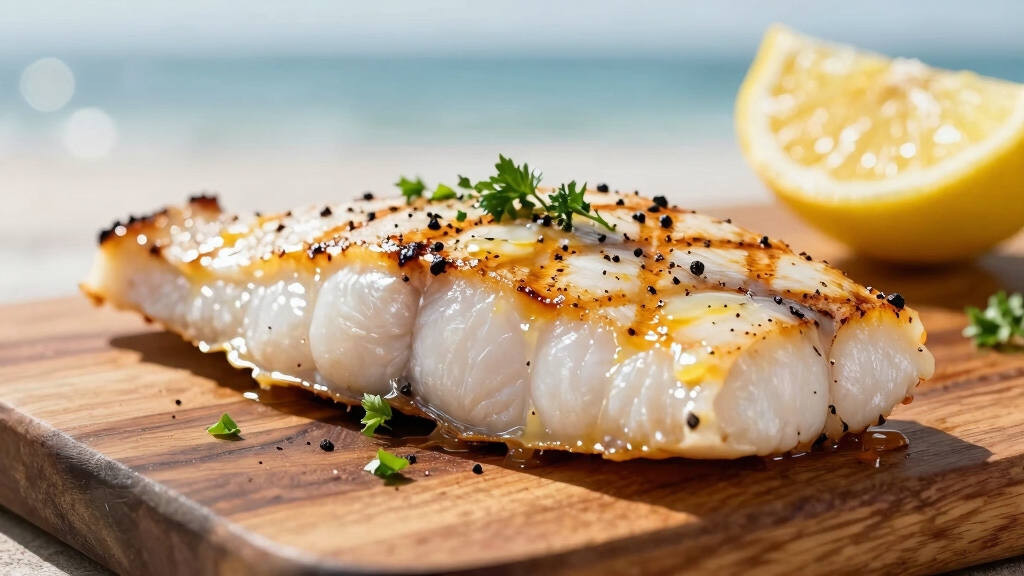
You’ll find wahoo fish mild and sweet with a firm, meaty texture that flakes easily when cooked. Its pale-pink raw flesh turns clean white, offering a delicate flavor similar to lean tuna or veal.
Cooking it requires careful timing to avoid dryness, with grilling or pan-searing recommended. Rich in omega-3s, high-quality protein, and essential nutrients like selenium and B vitamins, wahoo fits keto and paleo diets well.
Explore further to understand the best ways to prepare and enjoy this rare seafood.
Key Takeaways
- Wahoo fish has a mild, sweet flavor with firm, meaty flesh that flakes easily when cooked.
- Its raw flesh is pale pink and suitable for sushi, while cooked flesh turns white with a delicate taste.
- It is versatile and can be grilled, pan-seared, poached, or broiled to maintain moisture and texture.
- Wahoo is nutritious, rich in protein, omega-3s, vitamins B6 and B12, and minerals like selenium and phosphorus.
- Proper cooking at moderate heat and brief times ensures optimal flavor, texture, and safety.
What Does Wahoo Fish Taste Like?
The taste of wahoo fish is characterized by a mild and sweet flavor combined with a firm, meaty texture that flakes easily when cooked.
Wahoo fish offers a mild, sweet flavor and firm, flaky texture that delights the palate when cooked.
You’ll notice its raw flesh is pale pink, lighter than mackerel, with less red muscle content.
When cooked, wahoo’s flesh turns white and offers a lean, delicate taste often compared to chicken or veal.
Yet it retains a subtle resemblance to ultra-light tuna.
This mild flavor profile makes it suitable for raw consumption, such as sushi, where minimal seasoning highlights its natural taste.
Unlike oily fish, wahoo’s lightness in flavor and firm texture provide a versatile foundation that doesn’t overpower other ingredients.
This appeals to those seeking a refined, less fishy seafood experience with nutritional benefits.
Wahoo is often found near floating debris in pelagic zones, where it shares habitat preferences with species like dorado.
How to Cook Wahoo Fish Perfectly?
To cook wahoo fish perfectly, you really want to focus on a few key techniques. Grilling, pan-searing, or broiling are all great options. These methods help to preserve that firm texture and keep the fish from getting tough.
Now, if you have a little extra time, marinating beforehand can make a world of difference. It tenderizes the flesh and brings out that mild, sweet flavor without overwhelming it.
When it comes to seasoning, less is often more. Simple ingredients like butter, lemon juice, salt, and pepper let the natural taste shine through while still kicking up the flavor a notch. Trust me, you’ll love the result!
Using moderate heat and brief cooking times is essential to avoid drying out the lean flesh, ensuring the best texture and moisture.
Ideal Cooking Techniques
Mastering the ideal cooking techniques for wahoo guarantees you preserve its mild flavor and firm, flaky texture. To achieve peak results, follow these scientifically backed methods:
- Grill wahoo over high heat for 3–4 minutes per side, ensuring the fish remains moist without overcooking, which causes toughness.
- Pan-sear the fillets, then finish in a preheated oven to retain moisture and achieve even cooking.
- Poach gently in flavorful liquid at low temperature to maintain the delicate texture without drying out the flesh.
- Broil for 4–6 minutes on high, monitoring closely to avoid overexposure to heat.
Each method respects the fish’s lean protein structure and delicate muscle fibers, preserving its characteristic flakiness and subtle sweetness.
Avoid prolonged cooking to prevent protein denaturation that leads to firmness loss.
Flavor Enhancement Tips
Although wahoo offers a naturally mild and sweet flavor, enhancing its taste requires strategic seasoning and preparation techniques that complement rather than overpower its delicate profile.
You should use light marinades with citrus juice, herbs like thyme or dill, and minimal salt to tenderize the flesh and boost umami without masking the natural sweetness.
Applying a brief brine can also improve moisture retention during cooking.
When grilling or pan-searing, avoid overcooking by monitoring internal temperature, aiming for 130–140°F to maintain flakiness and prevent toughness.
Butter or olive oil-based finishes paired with a squeeze of lemon enhance mouthfeel and brightness.
These precise adjustments preserve wahoo’s nutritional benefits and delicate texture, ensuring a balanced, flavorful dish that highlights its unique sensory attributes.
For the best results, just as anglers select the ideal strength and diameter for fishing lines to match conditions, careful control of cooking variables ensures the best flavor and texture outcomes.
Nutritional Benefits of Wahoo Fish
Wahoo fish is a fantastic source of nutrition! Did you know it packs a whopping 19.3 grams of protein per 100 grams? That’s great for muscle maintenance and keeping you feeling full.
But that’s not all. Wahoo also provides essential vitamins like B6, B12, and niacin. Plus, it’s rich in minerals such as selenium and phosphorus, which are super important for cellular protection and bone health.
And let’s not forget about those omega-3 fatty acids! They play a crucial role in supporting cardiovascular function and overall metabolic health. So, if you’re looking for a healthy addition to your diet, wahoo fish is definitely worth considering!
Its nutrient profile, including high-quality protein and key minerals, supports overall wellness and muscle recovery.
High Protein Content
Discovering the high protein content in wahoo fish highlights its value as a nutrient-dense food source. When you include wahoo in your diet, you benefit from its lean, efficient protein profile, which supports muscle maintenance and satiety.
Here’s what makes its protein content notable:
- A 100-gram serving contains approximately 19.3 grams of protein, providing substantial amino acids for tissue repair and enzyme function.
- The low total fat content (9.4 grams per 100 grams) guarantees you receive high-quality protein without excessive fat intake.
- Wahoo’s protein is bioavailable, meaning your body can readily absorb and utilize it for metabolic processes.
- Its protein density supports various dietary goals, including weight management and ketogenic diets, emphasizing lean nutrition.
Essential Vitamins And Minerals
Several essential vitamins and minerals make wahoo fish a highly nutritious choice for your diet. You’ll find it rich in vitamin B6, vitamin B12, and niacin, which play critical roles in energy metabolism and neurological function.
Wahoo also provides an impressive 110% of your daily selenium needs per 4-ounce serving. Selenium acts as a potent antioxidant, protecting your cells from oxidative damage and supporting immune health.
Additionally, phosphorus in wahoo contributes to maintaining strong bones and teeth, indispensable for your skeletal health. The fish’s nutrient profile balances these micronutrients with low fat and calorie content, making it an efficient source of essential nutrients without excess energy intake.
Including wahoo in your meals can help meet micronutrient requirements while supporting overall physiological function. Wahoo is also a popular target species in deep sea fishing trips, making it accessible for fresh catch enthusiasts.
Heart-Healthy Omega-3s
Beyond vitamins and minerals, wahoo fish offers significant nutritional value through its omega-3 fatty acids, which play a pivotal role in cardiovascular health.
When you include wahoo in your diet, you benefit from these essential fats that:
- Reduce inflammation by modulating inflammatory pathways, lowering chronic disease risks.
- Decrease triglyceride levels, contributing to improved lipid profiles.
- Support endothelial function, enhancing blood vessel flexibility and circulation.
- Lower blood pressure slightly, reducing strain on the heart.
These omega-3s, primarily EPA and DHA, are indispensable for maintaining heart rhythm and preventing arrhythmias.
Incorporating wahoo provides a lean, nutrient-dense source of these fatty acids, helping you manage cardiovascular health effectively while enjoying a mild-flavored, versatile fish.
As a saltwater species, wahoo is found in environments with stable, high salinity, which influences its nutritional composition and availability.
Is Wahoo Fish Keto- and Paleo-Friendly?
Wahoo fish fits well within both keto and paleo dietary frameworks due to its high protein content, rich supply of healthy fats, and negligible carbohydrate levels.
Wahoo fish complements keto and paleo diets with its high protein, healthy fats, and minimal carbs.
Each 100-gram serving provides approximately 19.3 grams of protein and 9.4 grams of fat, supporting muscle maintenance and energy needs without disrupting ketosis.
Wahoo contains no grains, dairy, or processed additives, aligning with paleo principles that emphasize whole, unprocessed foods.
Its omega-3 fatty acids contribute beneficial fats essential for these diets.
The fish’s low carbohydrate content guarantees it won’t interfere with blood glucose regulation, a key aspect of keto.
Therefore, by incorporating wahoo, you can adhere strictly to both keto and paleo regimens while gaining nutrient-dense, lean protein and healthy lipids.
Health Benefits of Eating Wahoo Fish
Consuming wahoo fish regularly provides significant health benefits due to its rich nutrient profile. When you include wahoo in your diet, you gain:
- High-quality, low-fat protein supporting muscle maintenance and satiety without excess calories.
- Abundant omega-3 fatty acids that promote cardiovascular health and reduce inflammation.
- Selenium, an antioxidant that protects your cells from oxidative damage and boosts immune function.
- Essential B vitamins such as B6 and B12, which enhance energy metabolism and cognitive performance.
Additionally, wahoo’s phosphorus content contributes to bone and teeth strength. This combination of nutrients makes wahoo an excellent choice for maintaining overall health, supporting metabolic functions, and preventing chronic disease risks. However, it is important to be aware of parasite risks in fish and ensure proper handling and cooking to avoid potential health issues.
What Makes Wahoo a Rare Culinary Gem?
The impressive health benefits of wahoo are only part of what makes it stand out in the culinary world.
Wahoo’s remarkable health perks are just the beginning of its culinary distinction.
You’ll find wahoo’s mild, sweet taste and firm, meaty texture rare among fish, offering an ultra-light flavor profile akin to lean tuna or veal.
Its pale-pink raw flesh cooks to a clean white, maintaining visual appeal and flake structure.
Wahoo’s scarcity in supermarkets and restaurants adds exclusivity, elevating your dining experience.
Nutritionally, wahoo provides lean protein with minimal fat, rich omega-3s, and essential micronutrients like selenium and phosphorus.
This combination supports health while delivering a versatile ingredient that adapts well to various preparation methods.
Its unique sensory and nutritional qualities firmly establish wahoo as a rare culinary gem worth seeking out.
Additionally, wahoo’s firm texture and oily flesh make it an excellent choice for chunk bait in saltwater fishing, prized for its durability and scent release.
Enjoying Wahoo Fish: Raw and Cooked Ideas
How can you best appreciate the delicate flavor and texture of this fish? Wahoo’s mild, sweet taste and firm, flaky meat lend themselves well to both raw and cooked preparations. Consider these approaches:
- Sushi and Sashimi: Use raw wahoo, which has pale-pink flesh, for minimal seasoning to highlight its natural flavor.
- Grilling: Cook for 3-4 minutes per side on high heat to maintain moisture and prevent toughness.
- Pan-searing with Oven Finishing: This technique locks in juiciness while achieving a crisp exterior.
- Broiling or Baking: Broil for 4-6 minutes or bake at 375°F for 13-15 minutes until the flesh flakes easily.
These methods preserve nutritional benefits like omega-3s and selenium while delivering peak sensory quality.
Frequently Asked Questions
Where Is Wahoo Fish Commonly Found or Caught?
You’ll commonly find wahoo fish in tropical and subtropical waters worldwide. They inhabit the Atlantic, Pacific, and Indian Oceans, often near coral reefs and offshore structures.
When fishing, you’ll target them in warm coastal regions, especially around the Caribbean, Gulf of Mexico, and Hawaii. These fast swimmers prefer deeper, open waters but approach shallower areas during feeding.
This behavior makes them accessible for sport fishing and commercial harvest in these specific marine environments.
How Sustainable Is Wahoo Fishing?
Imagine a Victorian ledger tracking fish stocks: wahoo fishing sustainability varies regionally. You’ll find it generally sustainable when caught via pole-and-line or troll methods, minimizing bycatch and habitat damage.
However, some areas face overfishing risks due to high demand and insufficient regulation. To guarantee sustainability, look for certifications like MSC or regional fishery management adherence.
These promote responsible harvest levels and ecosystem balance, helping wahoo populations remain healthy over time.
What Are the Best Storage Methods for Wahoo Fish?
To store wahoo fish properly, keep it chilled at 32°F (0°C) in airtight packaging to minimize exposure to oxygen and moisture.
Use vacuum-sealing if possible to preserve freshness and prevent freezer burn.
Refrigerate for up to two days or freeze at -4°F (-20°C) for longer storage, ideally consuming within three months.
Thaw frozen wahoo slowly in the refrigerator to maintain texture and flavor integrity before cooking or raw use.
Are There Any Common Allergens Associated With Wahoo?
Think of wahoo like a new puzzle piece in the seafood allergy picture: it’s a fish, so it shares common allergens with other finned fish, like parvalbumin proteins that can trigger reactions.
If you’re allergic to fish in general, you should avoid wahoo. However, wahoo doesn’t have unique allergens beyond typical fish proteins.
Always consult an allergist before trying it, especially if you’ve had fish allergies before.
How Does Wahoo Compare to Other Similar Fish Species?
You’ll find wahoo’s mild, sweet flavor and firm, flaky texture distinguishes it from similar fish like tuna or mackerel, which tend to have stronger, oilier profiles.
Nutritionally, wahoo offers lower fat and calories but rich omega-3s and selenium, supporting health benefits.
Its versatility in raw or cooked dishes surpasses many species.
Compared to others, wahoo’s lean, delicate taste and nutrient density make it uniquely appealing for diverse culinary uses.
Unlock the Full Benefits of Eating Wahoo Fish
You’ll find wahoo fish to be a flavorful, lean option packed with essential nutrients and omega-3s, making it excellent for keto and paleo diets.
Whether you grill it or savor it raw, its delicate texture and mild taste elevate any meal.
Despite being a modern culinary treasure, wahoo’s appeal echoes like a vintage melody, timeless and rare.
Incorporate it thoughtfully into your diet for both health benefits and gourmet satisfaction.