
Can You Use a Saltwater Trolling Motor in Freshwater?
Yes, you can use a saltwater trolling motor in freshwater without performance loss.
Saltwater models feature corrosion-resistant materials like stainless steel and zinc alloys. They also have advanced coatings and sealed electronics designed for harsh environments, so they handle freshwater conditions with ease.
These motors require less maintenance, and their high thrust capacity and durability improve reliability and lifespan. If corrosion resistance and long-term use matter to you, saltwater motors are an excellent choice.
To optimize your setup, explore factors like shaft length, mounting options, and maintenance tips next.
Key Takeaways
- Saltwater trolling motors are fully compatible and perform equally well or better in freshwater environments.
- Using a saltwater motor in freshwater enhances durability due to corrosion-resistant materials like stainless steel and sacrificial anodes.
- Saltwater motors require less maintenance overall thanks to advanced coatings and sealed components.
- Freshwater use reduces exposure to harsh saline conditions, extending the motor’s lifespan while retaining rugged construction benefits.
- Choose saltwater motors for long-term reliability, corrosion resistance, and to avoid warranty issues related to saltwater damage in freshwater models.
Can You Use a Saltwater Trolling Motor in Freshwater?
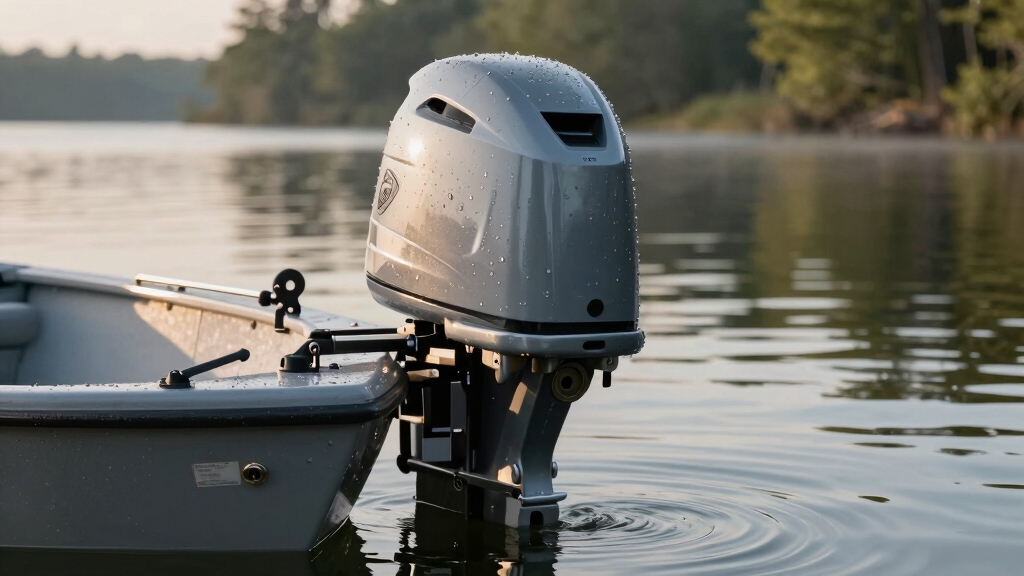
Although designed primarily for harsh saltwater environments, saltwater trolling motors are fully compatible with freshwater use and perform without degradation.
You’ll find that their stainless steel components resist corrosion effectively, maintaining structural integrity in freshwater. The advanced seals and specialized coatings used in these motors prevent water intrusion and protect internal electronics regardless of water type.
When you use a saltwater trolling motor like the Minn Kota Riptide in freshwater, you won’t experience any decline in thrust or efficiency, as their power and durability remain consistent.
However, these motors come at a higher cost due to their corrosion-resistant materials and design. Overall, you can confidently operate a saltwater trolling motor in freshwater without concern for performance loss or accelerated wear.
Saltwater motors often feature corrosion-resistant construction that ensures long-term durability across various environments.
Why Saltwater Motors Work Well in Freshwater Environments?
You can use a saltwater trolling motor in freshwater without any performance issues. These motors are built with materials and features that inherently suit both environments. Their stainless steel components and sealed electronics guarantee durability and reliability regardless of water type.
The advanced design also prevents water intrusion and mechanical wear, maintaining efficiency in freshwater.
| Feature | Benefit in Freshwater |
|---|---|
| Stainless steel parts | Corrosion resistance |
| Sealed electronics | Protection from moisture |
| Sacrificial anodes | Minimal maintenance needed |
| Robust shaft design | Reduced wear and tear |
| High thrust capacity | Effective propulsion |
This construction guarantees saltwater motors perform flawlessly in freshwater, offering you versatility and longevity. Additionally, using a saltwater motor can help extend battery runtime due to its efficient power use under variable load conditions.
Saltwater vs Freshwater Motor Materials and Corrosion Protection
When it comes to trolling motors, saltwater models are built to withstand some tough conditions. They typically use stainless steel and zinc alloys, which are great at resisting corrosion. This is a big step up compared to the aluminum and composite materials you usually find in freshwater motors.
But that’s not all! Saltwater motors often come with protective coatings and sacrificial anodes. These features play a crucial role in preventing rust and degradation, especially in harsh environments.
Additionally, saltwater motors require frequent rinsing and inspection after use to maintain their corrosion resistance and prolong their lifespan.
Material Composition Differences
Durability plays a crucial role in differentiating saltwater trolling motors from freshwater models, primarily through their material composition and corrosion protection.
Saltwater motors use stainless steel and zinc alloys, which offer enhanced strength and longevity. Freshwater motors typically rely on lightweight aluminum or composite materials, which suffice in less corrosive environments.
Understanding these differences guarantees you select a motor suited for your water conditions.
Both saltwater and freshwater equipment benefit from durable, corrosion-resistant materials designed to maintain performance in harsh environments.
| Feature | Saltwater Motor Material | Freshwater Motor Material |
|---|---|---|
| Shaft | Stainless steel | Aluminum/composite |
| Hardware | Zinc alloys | Aluminum |
| Weight | Heavier due to metals | Lighter composites |
| Anodes | Sacrificial zinc anodes | Rarely included |
| Coatings | Specialized corrosion-resistant | Standard paint/coating |
Corrosion Resistance Features
Building on the material differences between saltwater and freshwater trolling motors, corrosion resistance features play a pivotal role in ensuring motor longevity and performance.
Saltwater motors utilize stainless steel components and zinc alloys, which offer superior resistance to the aggressive chloride ions found in saltwater environments. These materials prevent rapid oxidation and structural degradation.
Freshwater motors, typically made from aluminum or composite materials, lack this robust corrosion protection since freshwater is less corrosive. Consequently, saltwater trolling motors can operate effectively in freshwater without corrosion concerns, while freshwater motors may deteriorate quickly if exposed to saltwater.
Understanding these differences helps you select a motor suited to your environment, ensuring durability and peak function by minimizing the electrochemical reactions responsible for corrosion in marine settings. Additionally, selecting materials with puncture resistance enhances motor durability against physical damage in rugged aquatic environments.
Protective Coatings and Anodes
Although both saltwater and freshwater trolling motors rely on corrosion-resistant materials, saltwater models incorporate specialized protective coatings and sacrificial anodes to further guard against electrochemical damage.
These coatings, often epoxy or polyurethane-based, form a barrier against salt intrusion. Sacrificial anodes, typically zinc or magnesium, corrode preferentially, protecting critical metal parts.
Freshwater motors usually lack such robust defenses, as freshwater is less corrosive.
| Feature | Saltwater Motor | Freshwater Motor |
|---|---|---|
| Protective Coating | Epoxy/polyurethane multilayer | Minimal or none |
| Anodes | Sacrificial zinc or magnesium | Rare or absent |
| Material Composition | Stainless steel, zinc alloys | Aluminum, composites |
Choosing corrosion-resistant equipment enhances reliability in marine conditions and may reduce downtime, which is especially important for saltwater motor users seeking service reliability.
How Saltwater Motor Thrust and Power Compare for Freshwater Use?
When you use a saltwater trolling motor in freshwater, its thrust and power capabilities remain consistent and reliable.
These motors are engineered to deliver high performance, often exceeding the thrust requirements for typical freshwater applications due to their robust design.
To understand how they compare, consider these points:
- Thrust Ratings: Saltwater motors typically offer 30–109 pounds of thrust, adaptable across 12V, 24V, and 36V systems. This ensures ample power for freshwater boats of varying sizes.
- Power Efficiency: Their advanced sealing and corrosion-resistant components don’t impede power output. They maintain efficiency even in freshwater.
- Load Handling: Designed for harsher saltwater conditions and heavier vessels, these motors handle freshwater loads with ease. They often provide better control and endurance.
Additionally, choosing equipment with corrosion-resistant materials ensures long-term durability in both saltwater and freshwater environments.
Thus, a saltwater trolling motor performs equally well or better when used in freshwater environments.
Choosing the Right Shaft Length and Mount Type for Freshwater Boats
Since water conditions vary, selecting the correct shaft length guarantees your trolling motor remains properly submerged for peak performance.
You’ll want to measure the distance from your mounting point to the waterline, accounting for boat trim and expected chop. A shaft too short risks exposure and cavitation, while one too long adds unnecessary weight and drag.
For freshwater boats, shafts typically range between 30 and 48 inches, corresponding to common boat transom heights.
Regarding mount type, bow mounts offer superior control and maneuverability, ideal for precise navigation in freshwater environments.
Transom mounts provide straightforward installation and accessibility, suitable for smaller vessels.
Your choice depends on boat design and fishing style.
Pairing the appropriate shaft length with a compatible mount type secures efficient thrust delivery and motor longevity in freshwater use.
Additionally, selecting gear and accessories that complement your boat’s electronics, such as portable fish finders, can enhance your freshwater fishing experience.
Essential Maintenance for Saltwater Motors Used in Freshwater
Selecting the proper shaft length and mount type guarantees your motor performs effectively. Maintaining a saltwater trolling motor used in freshwater requires specific attention to preserve its corrosion-resistant features.
Choosing the right shaft length and mount ensures optimal motor performance and corrosion resistance in freshwater use.
Although freshwater environments are less harsh, saltwater motors still demand routine care to protect seals and stainless steel components. To assure longevity and peak function, follow these steps:
- Rinse the motor with freshwater after each use to remove any residual contaminants and prevent mineral buildup.
- Inspect and lubricate moving parts, including the propeller shaft, to avoid wear and maintain smooth operation.
- Check electrical connections and battery terminals for corrosion, cleaning and tightening as needed to prevent electrical failures.
Consistent maintenance preserves the motor’s advanced coatings and prolongs its operational lifespan in freshwater conditions. Using lubricants with corrosion inhibitors specifically formulated for saltwater environments helps maintain the motor’s durability even when used in freshwater.
When Should You Pick a Saltwater Motor Over a Freshwater Model?
If you’re thinking about a saltwater trolling motor, it’s a smart choice if you need something that can handle tough conditions. These motors are designed with superior corrosion resistance, making them perfect for environments where they’ll be frequently exposed to saltwater.
Sure, saltwater models tend to be pricier because of the specialized materials and coatings they use. But here’s the upside: they generally offer greater durability and longevity compared to their freshwater counterparts. So, while your initial investment might be higher, you could end up saving money in the long run because they often require less maintenance.
Ultimately, it’s all about balancing your budget with your maintenance needs. If you’re planning to use it primarily in freshwater but want something that can withstand the occasional harsh conditions, a saltwater model might be worth considering. Just weigh your options carefully! Many saltwater trolling motors also feature corrosion-resistant materials specifically designed to prevent damage from salt exposure, enhancing their lifespan.
Corrosion Resistance Needs
Although freshwater trolling motors can operate in saltwater, you should opt for a saltwater motor when corrosion resistance is critical to durability and performance.
Saltwater models feature stainless steel components and specialized coatings that withstand harsh saline environments. This prevents accelerated rust and degradation.
You should choose a saltwater motor if:
- You frequently navigate in brackish or saltwater, where salt accelerates corrosion on aluminum and composite parts.
- You require long-term reliability with minimal maintenance, benefiting from sacrificial anodes and sealed electronics.
- You want to avoid warranty issues linked to saltwater damage in freshwater motors not designed for such exposure.
In freshwater, saltwater motors provide robust corrosion resistance. This ensures consistent functionality without performance loss despite their higher upfront cost.
Budget Versus Durability
When weighing the choice between saltwater and freshwater trolling motors, balancing budget constraints with durability requirements is essential.
Saltwater motors, built with stainless steel components and specialized coatings, offer superior corrosion resistance and longevity, justifying their higher initial cost.
If you frequently fish in brackish or variable environments or plan to keep your motor for many years, investing in a saltwater model is wise.
Conversely, if your use is strictly freshwater and budget is tight, a freshwater motor made of aluminum or composite materials provides adequate performance at a lower price.
Remember, freshwater motors lack the corrosion safeguards needed for saltwater, risking faster degradation and voided warranties.
Therefore, prioritize durability and environmental exposure over cost when selecting your trolling motor.
Key Features of Saltwater Motors That Benefit Freshwater Boaters
Because saltwater trolling motors incorporate stainless steel components and specialized corrosion-resistant coatings, they offer freshwater boaters enhanced durability and longevity compared to standard freshwater models.
You benefit from materials engineered to resist corrosion, ensuring extended motor life even in variable water conditions.
Key features include:
- Corrosion Resistance: Stainless steel shafts and zinc alloy hardware prevent rust and degradation common in freshwater motors.
- Advanced Sealing: Specialized coatings and sealed electronics protect internal components from moisture intrusion, reducing maintenance needs.
- Robust Construction: Reinforced housings and sacrificial anodes enhance structural integrity, supporting reliable performance over time.
Using a saltwater motor in freshwater means you get a rugged, low-maintenance system designed for harsher environments.
This translates to superior reliability and durability in your freshwater boating experience.
How to Avoid Warranty Problems When Using Saltwater Motors in Freshwater?
To steer clear of warranty issues when using saltwater trolling motors in freshwater, it’s essential to really grasp the manufacturer’s warranty terms and any specific environmental usage restrictions. You don’t want any surprises down the line!
Now, let’s talk maintenance. Regularly rinsing your motor and giving it a good inspection can go a long way in preventing corrosion and mechanical problems. Trust me, a little proactive care can save you a lot of headaches later on.
Warranty Terms Clarification
Although saltwater trolling motors are designed to withstand harsh marine conditions, you should still review the warranty terms carefully before using one in freshwater.
Manufacturers may specify usage environments to prevent voiding coverage. To avoid warranty problems, follow these steps:
- Confirm Environment Compatibility: Verify that the warranty explicitly includes freshwater use. Saltwater models generally accommodate this, but terms vary.
- Check Maintenance Requirements: Understand if specific maintenance protocols are mandated to maintain warranty validity, even when switching water types.
- Document Usage Conditions: Keep records of where and how you use the motor to provide evidence in case of warranty claims.
Proper Maintenance Practices
When you use a saltwater trolling motor in freshwater, maintaining it properly is crucial to prevent warranty issues and guarantee peak performance.
Even though saltwater models are corrosion-resistant, you should rinse the motor with freshwater after each use to remove contaminants and prevent buildup.
Inspect the propeller frequently for debris and lubricate moving parts to reduce wear.
Check battery terminals regularly for corrosion and clean as needed.
Always dry the shaft and housing thoroughly before storage to avoid moisture-related damage.
Adhering to these maintenance steps guarantees the motor operates efficiently and keeps warranty coverage intact.
Neglecting maintenance can lead to premature wear or corrosion, which manufacturers may consider warranty-exempt damage, even in freshwater environments.
Proper upkeep maximizes your motor’s lifespan and performance reliability.
Tips for Maximizing Saltwater Motor Performance in Freshwater
Frequently, saltwater trolling motors perform at their best in freshwater environments without modification.
However, you can enhance their efficiency and lifespan by following specific maintenance and operational practices. To maximize performance, focus on these three key actions:
- Regular Inspection and Cleaning: Even in freshwater, debris can accumulate on the propeller and shaft. Routinely check and clear these to maintain peak thrust and prevent mechanical wear.
- Lubrication and Corrosion Prevention: Apply marine-grade lubricants to moving parts. Inspect stainless steel components for early signs of corrosion, despite their resistance.
- Battery and Electrical System Care: Use deep-cycle marine batteries and check connections regularly. This guarantees stable power delivery and prevents voltage drops that reduce motor efficiency.
Frequently Asked Questions
Can Saltwater Trolling Motors Be Used in Brackish Water Conditions?
Yes, you can use saltwater trolling motors in brackish water without issues.
These motors feature stainless steel components and specialized coatings designed to resist corrosion in both salt and brackish environments.
Just make sure you rinse the motor with freshwater after use to prevent salt buildup and maintain performance.
Brackish water’s salinity falls between freshwater and saltwater, so the motor’s corrosion resistance will effectively protect it during your outings.
Do Saltwater Motors Require Special Batteries for Freshwater Use?
Think of your saltwater trolling motor like a high-performance sports car. It needs the right fuel to run smoothly.
You don’t need special batteries just because you’re using it in freshwater. Standard deep-cycle marine batteries work perfectly.
These batteries provide consistent power and longevity for any trolling motor voltage, whether 12V, 24V, or 36V.
Just make certain proper maintenance and charging for peak performance, regardless of water type.
Are There Specific Brands Known for Durable Saltwater Motors?
You’ll find Minn Kota Riptide models highly durable for saltwater trolling motors, thanks to their stainless steel shafts and advanced corrosion-resistant coatings.
Newport Vessels also offers reliable saltwater options featuring zinc hardware and sacrificial anodes that extend motor life.
Both brands combine sturdy materials with specialized seals, ensuring excellent performance and longevity.
When choosing, focus on these reputable manufacturers to get corrosion protection and robust construction for demanding marine environments.
How Does Saltwater Motor Weight Compare to Freshwater Models?
Saltwater trolling motors generally weigh more than freshwater models due to their stainless steel components and specialized corrosion-resistant coatings.
You’ll notice extra hardware like sacrificial anodes adds weight, enhancing durability in harsh environments.
Freshwater motors use lighter aluminum or composite materials, making them easier to handle but less robust against corrosion.
When choosing, consider if the added weight of a saltwater motor suits your boat size and power needs.
Can Saltwater Motors Be Installed on Kayaks or Small Crafts?
You can definitely outfit your kayak or small craft with a saltwater trolling motor. It’s like giving your boat a suit of armor against corrosion.
These motors use stainless steel and specialized coatings, making them durable in various waters. Just match the thrust to your craft’s size and make certain the shaft length fits your setup.
Though heavier, their resilience and power often outweigh the added weight for small watercraft enthusiasts.
Maximize Freshwater Performance with a Saltwater Trolling Motor
You can definitely use a saltwater trolling motor in freshwater without issues.
For example, a freshwater angler who switched to a saltwater motor noticed improved durability and corrosion resistance, thanks to its robust materials.
Just make sure you choose the right shaft length and mounting style for your boat.
Remember, saltwater motors often offer extra power and protection, but always check warranty terms to avoid problems.
This choice can give you reliable, long-lasting performance on any freshwater trip.





One Comment