Best Time of Day to Pier Fish on the Panhandle
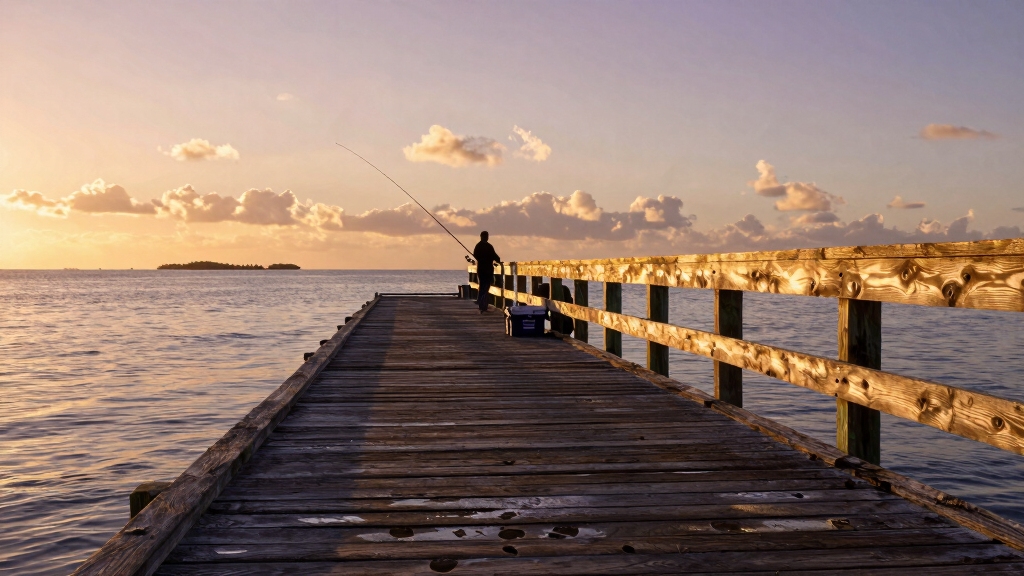
You’ll find the best Panhandle pier fishing just before and after sunrise and sunset, when cooler water temperatures and low light levels trigger peak baitfish and predator activity.
Early mornings boost feeding as fish ascend from cooler depths, while late afternoons stimulate renewed hunting before nightfall.
Avoid midday heat when fish retreat deeper due to warmer surface layers and lower oxygen.
Matching your timing to these natural patterns dramatically increases your catch potential.
Discover how seasonal shifts and pier-specific conditions further refine your strategy.
Key Takeaways
- Early mornings and late afternoons around sunrise and sunset are prime times for pier fishing due to increased fish feeding activity in low light.
- Cooler water temperatures at dawn and dusk stimulate feeding in species like red snapper, cobia, and king mackerel on Panhandle piers.
- Avoid midday fishing as bright sun and warmer surface waters push fish to deeper, cooler zones, reducing bite rates near piers.
- Seasonal variations affect peak feeding times: spring favors dawn for cobia, summer targets early morning and late afternoon for red snapper.
- Position yourself on the pier near deeper water shadows during low light to target converging fish and maximize catch potential.
How Fish Behavior Changes From Dawn to Dusk on Panhandle Piers?

Fish behavior on Panhandle piers shifts distinctly from dawn to dusk, driven primarily by changing light levels, temperature gradients, and baitfish activity.
Fish on Panhandle piers respond dynamically to light, temperature, and baitfish activity from dawn through dusk.
At dawn, reduced light and cooler water temperatures stimulate fish to ascend from deeper zones, increasing feeding activity near piers. Baitfish move actively in the water column, attracting predatory species.
As the sun rises, warming surface layers cause fish to disperse or retreat to cooler depths, reducing bite rates.
Approaching dusk, light dims and temperatures moderately decline, prompting baitfish to resurface and predators to feed aggressively in shallower waters.
You’ll notice fish becoming more accessible near piers during these transitional periods, as they exploit peak feeding conditions.
Understanding these diel behavioral patterns helps you target species effectively throughout the day on Panhandle piers.
Additionally, reduced light levels during dawn and dusk encourage bolder feeding behavior, increasing the likelihood of a successful catch.
Why Early Morning Is the Best Time for Panhandle Pier Fishing?
You know, if you’ve ever tried fishing off the Panhandle piers, you might’ve noticed that the early morning hours can be pretty magical. The cooler temperatures at that time really seem to get the fish moving, making them much more likely to bite. It’s like they’re more awake and ready to respond to whatever bait you throw their way!
Plus, there’s something special about that low-angle sunlight at sunrise. It really helps with visibility and cuts down on the glare, which is perfect for casting your line. You’ll find that your lure presentation becomes a lot more effective when the sun isn’t beating down too harshly.
And let’s not forget about timing! Getting out there before the sun gets too intense means you’re fishing right during those peak feeding periods. So, if you want to maximize your chances of a good catch, early mornings are definitely the way to go.
Additionally, fish feeding activity often rises during tidal phases that coincide with low light conditions like early morning, boosting your chances even more.
Cooler Temperatures Boost Activity
Because cooler temperatures prevail in the early morning, aquatic species in the Panhandle pier areas exhibit heightened feeding activity and increased movement.
As water temperature drops overnight, metabolic rates in fish rise, prompting aggressive foraging before daytime heat slows them down. This thermal shift concentrates baitfish near piers, attracting predators you want to catch.
| Temperature Range (°F) | Fish Activity Level |
|---|---|
| 65-70 | Very High |
| 71-75 | Moderate |
| 76+ | Low |
Monitoring these temperature thresholds helps you time your fishing trips. Cooler conditions also improve oxygen solubility, further stimulating fish metabolism.
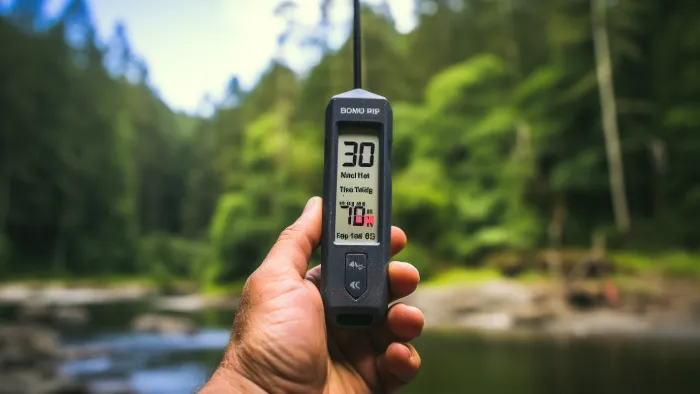
Early mornings capitalize on this synergy, making your Panhandle pier fishing more productive and efficient. Using a digital thermometer can help you accurately monitor water temperatures to optimize your fishing success.
Optimal Light For Casting
When casting from Panhandle piers, early morning light sets the stage for peak effectiveness. The low sun angle enhances water clarity and reduces surface glare, allowing you to see fish activity better.
This light condition triggers feeding behavior in many species, increasing your catch probability. Additionally, the softer light improves your visual accuracy, helping you place your bait precisely where fish congregate.
Consider these technical factors for peak casting:
- Sun Angle: Low angles minimize reflection, enhancing underwater visibility.
- Fish Response: Dawn light stimulates feeding, especially in cooler temperatures.
- Baitfish Movement: Early light coincides with baitfish activity near the pier, attracting predators.
Overnight increases in dissolved oxygen also boost fish metabolism and feeding activity during these early hours.
How Late Afternoon Boosts Your Catch on Panhandle Piers?
Late afternoon hours bring a significant uptick in fish activity along Panhandle piers, driven by shifting light conditions and cooler temperatures that trigger feeding behavior.
During this period, baitfish migrate closer to the surface, prompting predatory species to increase their feeding intensity. The declining sun angle reduces water glare, improving your visibility and lure presentation.
Cooler post-midday temperatures stimulate metabolic responses in species like red snapper and grouper, enhancing bite rates. Additionally, the water column experiences thermal shifts that draw fish into shallower pier zones, increasing your catch potential.
Understanding how wind influences best fishing times can further optimize your late afternoon fishing strategy.
Seasonal Fish Activity Patterns for Better Panhandle Pier Fishing
Did you know that the seasonal feeding behavior of fish can really impact their activity patterns along the Panhandle piers? It’s pretty fascinating!
Certain species tend to show these predictable peak periods, which makes fishing a lot more exciting.
For example, if you’re out there in the spring, those early morning hours are prime time for catching cobia. And then when fall rolls around, afternoons are the best bet for grouper. So, by targeting these specific windows, you can really maximize your catch potential.
Understanding these shifts in fish behavior is key. It helps you align your fishing strategy with the natural cycles, which can lead to more consistent success on the water. Happy fishing!
To increase your chances, consider adjusting your presentation techniques and carefully controlling your drift for a more natural bait movement, which is crucial during these peak activity periods and can be learned through casting and presentation techniques.
Seasonal Feeding Behavior
Understanding seasonal feeding behavior is essential for optimizing your pier fishing strategy along the Panhandle. Fish adjust their feeding times and intensity according to temperature, daylight, and prey availability.
You’ll notice distinct patterns each season that dictate when and where fish feed most aggressively.
Key seasonal feeding behaviors include:
- Spring: Cobia and king mackerel increase feeding at dawn, capitalizing on warming waters and migrating baitfish.
- Summer: Red snapper dominate early mornings and late afternoons, avoiding midday heat and exploiting cooler water layers.
- Fall/Winter: Grouper, sheepshead, and black drum feed during cooler mornings and afternoons, responding to shifting water temperatures and baitfish movements.
To ensure your catch is secure, it’s important to master essential fishing knots that match your line type and bait.
Peak Activity Periods
Frequently, the most productive pier fishing times along the Panhandle coincide with dawn and dusk periods, when fish exhibit heightened activity due to ideal light, temperature, and prey movements.
During these shifts, cooler temperatures stimulate metabolic rates, prompting species like red snapper and cobia to feed aggressively. Baitfish migrate closer to the surface, drawing predators to shallower waters near piers.
You’ll notice that early mornings before peak sun intensity and late afternoons post-midday heat provide optimal conditions. Seasonal shifts further refine these windows—spring mornings favor king mackerel, while fall afternoons target grouper.
Avoid midday heat when fish retreat to deeper, cooler zones, reducing bite frequency. By aligning your fishing schedule with these peak activity periods, you maximize your chances of landing diverse Panhandle species efficiently.
Rain and overcast conditions can enhance feeding activity by increasing oxygen levels and reducing fish wariness, making barometric pressure drops a key factor to consider when planning your fishing trips.
Top Panhandle Piers and Their Ideal Fishing Times
Panhandle piers consistently offer prime fishing opportunities when matched with their ideal time windows. You’ll maximize your catch by timing your visit to each pier’s unique environment and species activity.
Timing your visit to Panhandle piers unlocks the best fishing opportunities for each unique spot.
- Okaloosa Island Pier: Best in early mornings, especially for targeting cobia during spring. The cooler temps and low sun angles stimulate feeding near the pier’s deeper waters.
- Russell-Fields and M.B. Miller Piers: Most favorable in both morning and late afternoon. These piers extend into deeper Gulf waters, providing access to king mackerel and diverse species before peak sun intensity.
- Panama City Beach Piers: Early morning and late afternoon sessions align with heightened baitfish movement and cooler temperatures. This maximizes red snapper and sheepshead bites year-round.
Water quality and habitat complexity at these piers also play a crucial role in fish feeding behavior and meat quality, making location and timing equally important for a successful catch with optimal flavor.
Why Avoiding Midday Heat Improves Panhandle Pier Fishing?
Because fish activity drops during the intense midday heat, you’ll find fewer bites and less movement around piers at this time.
Elevated water temperatures reduce dissolved oxygen levels, causing many species to retreat to deeper, cooler waters, away from shallow pier zones.
Additionally, bright sunlight increases water clarity, making fish more cautious and less likely to approach bait.
The lack of baitfish activity during peak sun hours further diminishes predator presence.
By avoiding midday fishing, you capitalize on cooler temperatures and lower light conditions that stimulate feeding behavior.
This improves your catch rates by targeting periods when fish actively move into shallower waters near piers.
Understanding these physiological and behavioral responses allows you to optimize your Panhandle pier fishing strategy effectively.
Moreover, factoring in wind conditions can further enhance your success, as wind influences fish activity and bait movement around piers.
How Sunrise and Sunset Increase Your Panhandle Pier Fishing Success?
Avoiding midday heat sets the stage for capitalizing on the prime feeding windows at sunrise and sunset.
Steering clear of midday heat paves the way to harnessing peak feeding times at dawn and dusk.
During these low-light periods, fish exhibit heightened activity as cooler temperatures and shifting light conditions trigger feeding behavior.
You’ll find baitfish moving closer to piers, which attracts predatory species to shallower waters.
Key factors to maximize your sunrise and sunset success include:
- Timing your casts precisely within 30 minutes before and after these solar events to intercept peak feeding.
- Selecting lures or bait that mimic local baitfish active during dawn and dusk.
- Adjusting your position on the pier to target deeper water shadows where fish converge at these times.
Mastering these elements guarantees you leverage natural fish rhythms unique to the Panhandle’s coastal environment.
How Water Temperature and Light Affect Fish Activity on Panhandle Piers?
When water temperatures drop or rise beyond ideal ranges, fish reduce their activity levels. This makes timing critical for your pier fishing success.
On Panhandle piers, prime water temps trigger metabolic rates, increasing feeding behavior primarily during dawn and dusk.
Light intensity further influences this activity: low-angle sunlight at sunrise and sunset penetrates the water column effectively. This encourages baitfish movement and draws predatory species closer to the surface and pier structures.
Midday’s high light and heat often suppress fish movement to deeper, cooler layers, reducing bite rates.
To maximize your catch, target periods when cooler water temperatures combine with subdued light. These conditions stimulate fish to feed actively near the pier.
Understanding these temperature and light dynamics refines your timing and enhances productivity on Panhandle piers.
How to Match Your Fishing Time to Seasonal Fish Activity on Panhandle Piers?
Optimizing your fishing schedule requires aligning your efforts with the seasonal patterns of fish activity on Panhandle piers.
You’ll increase your catch rates by targeting species during their peak activity windows throughout the year.
To match your fishing time effectively:
- Spring: Focus on early mornings to catch cobia and reemerging king mackerel as they become more active with warming waters.
- Summer: Fish during early morning and late afternoon hours, especially June and July, to target red snapper when cooler temperatures stimulate feeding.
- Fall and Winter: Shift to afternoon sessions for fall grouper and snapper varieties, and winter mornings for sheepshead and black drum, capitalizing on baitfish movements and cooler light conditions.
Adapting your schedule seasonally maximizes feeding activity alignment and pier-specific species availability.
Frequently Asked Questions
What Bait Types Work Best During Different Times on Panhandle Piers?
You’ll find live shrimp excels during early mornings when fish actively feed near the pier’s surface, coinciding with cooler temps and baitfish movement.
As afternoon approaches, switching to cut bait like squid or mullet aligns with the rising activity of bottom feeders.
During dusk, using small jigs or spoons matches baitfish migrations and predatory strikes.
Tailor your bait choice to these daily activity peaks for the best results on Panhandle piers.
How Does Tide Influence Pier Fishing Success on the Panhandle?
Tide plays a vital role in your pier fishing success on the Panhandle.
Incoming tides bring baitfish closer to piers, triggering predator feeding and increasing bite rates. You’ll notice peak activity during rising tides, especially early flood and high tide stages.
Outgoing tides can reduce fish movement near structures, lowering catch chances. To maximize your haul, align your fishing sessions with tidal shifts.
Focus on flood tides when water current and baitfish movement stimulate feeding behavior.
Are Night Fishing Sessions Productive on Panhandle Piers?
Night fishing sessions on Panhandle piers can be productive but are generally less reliable than dawn or dusk.
Fish activity declines due to cooler water temperatures and reduced baitfish movement.
However, targeting species like sheepshead or black drum after dark might yield bites, especially near structure.
You’ll want to use lighted rigs or attractants to compensate for low visibility.
What Gear Is Recommended for Various Fish Species on Panhandle Piers?
Think of your gear as the key that opens the Panhandle’s underwater vault.
For king mackerel and cobia, use a medium-heavy rod with 30-50 lb braided line and wire leaders to handle sharp teeth.
Red snapper and grouper demand stout tackle, heavy spinning reels with 20-30 lb line and circle hooks.
Sheepshead and black drum respond to lighter setups, 10-15 lb test, with small hooks tipped with shrimp or fiddler crabs for finesse.
How Do Weather Changes Impact Pier Fishing Throughout the Day?
You’ll notice weather shifts directly affect fish activity on piers.
Cooler temperatures during early mornings and late afternoons stimulate feeding, while hot midday sun often slows bites.
Changes in barometric pressure, such as before storms, can trigger increased feeding as fish react to shifting water conditions.
Wind direction influences baitfish movement, impacting predator presence.
Staying aware of these factors helps you time your fishing for peak productivity throughout the day.
Catch More by Fishing the Right Hours
To maximize your catch on Panhandle piers, focus on early mornings and late afternoons when fish activity peaks due to ideal light and cooler water temperatures.
For example, anglers at Navarre Pier often find that fishing just before sunrise doubles their bite rate compared to midday.
By aligning your fishing schedule with these behavioral patterns and seasonal shifts, you’ll greatly improve your success. Avoid the lethargic midday hours when heat and light suppress fish movement.