
Reels for Walleye Fishing Review: Features, Performance, and Value
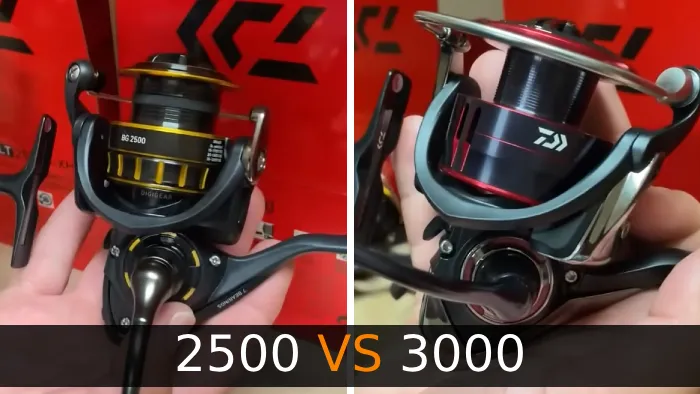
The best reel for walleye fishing depends on your presentation. Choose a lightweight 2000–2500-size spinning reel for jigging, finesse, and ice fishing; it balances well with light line and offers controlled retrieves. Step up to a 3000-size reel when you need more capacity for live-bait rigs, deeper water, or longer casts. For trolling, use a line-counter reel to repeat productive line payouts. Match capacity, drag, and gear ratio to your technique, and you’ll find practical options below.

- Powerful Performance: Built with a reinforced stainless steel main shaft and zinc alloy drive gear…
- Smooth & Consistent: Equipped with 10+1 double-shielded stainless steel bearings, the Viper X…
- Lighter & Stronger: Made with high-quality graphite and new molding technology, the Viper X frame…

Key Takeaways
- A 2500-size spinning reel offers a versatile balance of weight, drag, and capacity for general walleye fishing.
- Choose a lightweight 2000–2500 reel for jigging and finesse; use 6–8 lb braid or mono to suit your preferred feel.
- A 3000-size reel provides extra capacity and power for live-bait rigs, deeper water, and longer casts.
- For trolling, a line-counter reel helps repeat productive line payouts, but does not show a lure’s exact depth.
- Prioritize a smooth, adjustable drag, reliable operation, and corrosion resistance; rinse and maintain the reel after use.
How to Choose a Walleye Reel?
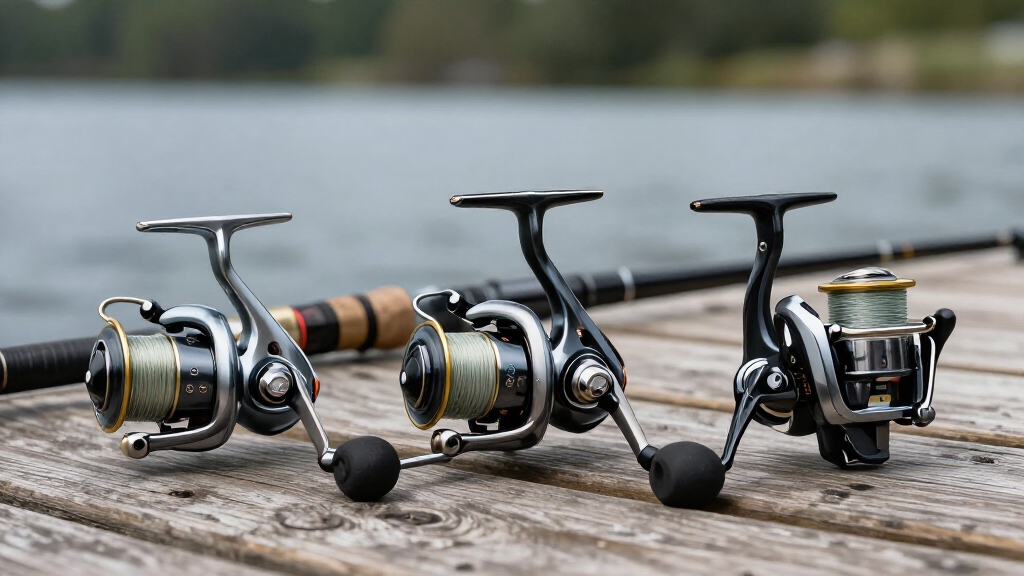
To choose a walleye reel, start with how you’ll fish: a compact 2000–2500 spinning reel suits jigging and finesse presentations, while a 3000-size model offers more capacity for live-bait rigs and deeper water.
Choose a 2000–2500 spinning reel for jigging and finesse, or a 3000-size model for live bait and deeper water.
For trolling, consider a line-counter reel so you can return to productive depths; a conventional model also works when steady line payout matters. Next, match line capacity to your presentation and fishing depth rather than choosing the largest spool.
Look for a smooth, consistent drag to protect light line, plus corrosion-resistant materials that can handle wet conditions. A moderate gear ratio, around 5:1 to 6:1, balances retrieve speed and power for many walleye techniques.
Prioritize reliable operation and a comfortable weight over extra features you won’t use. Choose the reel that fits your rod and typical setup. For most general walleye fishing, a 2500-size reel offers a versatile balance of line capacity, drag, and weight.
Which Spinning Reels Suit Jigging and Finesse?
For jigging and finesse, choose a lightweight 2000–2500 spinning reel that balances well with your rod and handles light line smoothly. This compact size helps you work jigs precisely and cast small offerings without tiring your wrist.
Pair it with six- to eight-pound braid, or use six- to eight-pound mono when you want more stretch and forgiveness. A braid-ready spool lets you tie braid directly, while a smooth, steady drag protects light line when a walleye surges. Braided line’s low stretch helps detect subtle bites and control jig action.
Look for corrosion-resistant construction and reliable bearings to keep operation consistent through wet, demanding days. A moderate gear ratio around 5:1 to 6:1 gives you a useful balance of retrieve speed and control.
Prioritize smoothness, balance, and drag quality over high maximum-drag ratings; these matter most when you’re presenting small baits carefully.
When Should You Choose a 3000-Size Reel?
When your walleye presentation calls for more line capacity and power than a 2000–2500 reel offers, step up to a 3000-size spinning reel. You’ll appreciate the extra capacity when fishing deeper water or making longer casts, and the added power helps you manage heavier rigs without overloading a compact reel.
Choose a 3000 for live-bait rigs, where you may need to handle more line and maintain control under pressure. It also suits presentations that call for moderate power rather than the light touch of finesse jigging.
Pair it with six- to ten-pound line, matching strength to cover and bait. Look for a smooth, steady drag and corrosion-resistant construction. A moderate gear ratio around 5:1 to 6:1 balances useful pickup with controlled retrieves, helping you fish comfortably throughout the day. Compared with a 2500, a 3000 typically offers greater line capacity, which can be useful when targeting larger or harder-fighting fish.
Which Line-Counter Reels Suit Walleye Trolling?
When trolling for walleye, a line-counter reel helps you repeat productive depths by tracking how much line you let out.
Look for clear, reliable readings and smooth line payout. The Shimano Tekota is a proven choice, but other conventional line-counter reels may suit your setup and budget just as well. A smooth drag helps control fish during the fight, while line capacity affects how much line your reel can hold.
Depth Control Features
A line-counter reel helps you repeat the amount of line you let out, making it easier to return walleye lures to productive depths. The counter tracks line payout, not the lure’s exact depth, so treat its reading as a repeatable reference.
Your lure’s running depth also depends on line diameter, lure design, trolling speed, and current. To improve consistency, use the same line and setup, then note the counter reading when a lure starts producing.
You can use that number to reset after a turn, a fish, or a tackle change. Check the counter’s calibration against a measured length of line; inaccurate readings can undermine your depth control.
A clear, easy-to-read display helps you monitor payout while trolling, and a reliable drag lets you manage fish without sacrificing control. For broader walleye trolling presentations, adjustable flag tension on planer boards can help signal subtle bites.
Best Reel Options
For walleye trolling, choose a line-counter reel that pays out line smoothly, tracks it consistently, and has a steady drag. Match the reel to your boat, rod, and target depth; reliable depth readings help you repeat productive passes without guesswork.
- Shimano Tekota: A strong choice when you want a durable, smooth conventional reel with a line counter for regular trolling.
- Conventional line-counter models: Choose one with clear, easy-to-read markings and a counter you can reset quickly between passes.
- Compact options: If you troll lighter presentations, prioritize manageable weight, adequate capacity, and controlled line release over a large spool.
Check that the counter measures line accurately and that the drag stays smooth under pressure. Corrosion-resistant construction and dependable bearings support season-after-season use.
Before buying, confirm the reel holds enough line for your depth and setup. A moderate retrieve helps you manage fish without sacrificing control. Don’t choose by brand alone; compare operation, capacity, and serviceability. For reliable readings, calibrate the counter with your chosen line type and diameter before trolling.
Which Reel Features Matter for Walleye?
When choosing a walleye reel, look for a smooth drag that can handle runs without putting too much stress on light line.
A moderate gear ratio offers a good balance of steady power and quick line pickup.
Also, match the line capacity to your fishing technique, and choose corrosion-resistant materials for lasting durability.
A reel with instant anti-reverse can help reduce handle backplay when setting the hook.
Smooth Drag Performance
Although walleye don’t require extreme drag pressure, they do need a smooth, steady drag that releases line without sudden surges. When a fish makes a hard run, a consistent drag protects light line and helps you stay in control.
Set it before fishing by pulling line through the guides; it should come off steadily, not stick or jerk.
- Check startup smoothness: A drag that engages cleanly helps prevent break-offs when a walleye surges close to the boat.
- Favor usable adjustment: You should be able to fine-tune pressure easily for six- to ten-pound line and changing conditions.
- Test under load: Pull line against the set drag to spot sticking before you fish.
Prioritize smoothness over maximum drag strength. A reliable, non-constrictive system matters most for finesse presentations and light-line setups. Matching drag pressure to your line’s breaking strength helps reduce the risk of a sudden break-off.
Gear Ratio and Retrieval
Gear ratio determines how quickly a reel retrieves line, helping you pick up slack after a jigging lift or bring a walleye toward the boat. For most walleye techniques, a moderate ratio around 5:1 to 6:1 balances speed with controlled cranking. Choose based on how you fish:
| Technique | Useful ratio | Retrieval benefit |
|---|---|---|
| Jigging | 5:1–6:1 | Clears slack promptly |
| Live-bait rigs | 5:1–6:1 | Maintains steady control |
| Trolling | Moderate | Supports measured line pickup |
| Ice jigging | Moderate | Keeps short-rod retrieves manageable |
A high ratio isn’t automatically better: you may sacrifice leverage when winding against resistance. Match retrieval speed to your presentation, and consider how quickly you need to reset between casts. For versatile fishing, a balanced ratio helps you stay responsive without forcing a hurried retrieve. When jigging, high-sensitivity line can improve bite detection and hookset power.
Line Capacity and Durability
Beyond retrieval speed, match spool capacity to your presentation: 150–200 yards of light mono or braid suits many walleye spinning setups, while deeper water and trolling call for more line.
Choose a 2000–2500 reel for finesse work; step up to a 3000 or a line-counter model when you need extra capacity or repeatable trolling depth. Check that the spool handles your chosen line without crowding or excessive backing.
- Protect against wear: Aluminum and graphite bodies resist wet conditions and hold up through regular use.
- Check components: Corrosion-resistant bearings and a braid-ready spool simplify setup and support dependable operation.
- Prioritize the drag: A smooth, steady system helps you manage light line without sudden pressure spikes.
A smooth drag system helps maintain consistent tension and reduce the risk of losing a fish during the fight.
Rinse your reel after use, especially after exposure to grit or spray, and follow the manufacturer’s maintenance guidance.
Durable materials matter, but routine care helps your reel last season after season.
How Should You Match Line and Reel to Technique?
Match your reel and line to the presentation, not just the fish. For jigging with minnows or plastics, choose a lightweight 2000–2500 spinning reel and pair it with six- to eight-pound braid. Add a fluorocarbon leader when you want a less visible connection.
For jigging with minnows or plastics, pair a lightweight 2000–2500 spinning reel with six- to eight-pound braid and, if needed, a fluorocarbon leader.
A smooth drag protects light line when a walleye surges.
For live-bait rigs or deeper water, step up to a 3000-size spinning reel for added capacity and control. Eight-pound monofilament offers stretch and versatility with live or artificial bait.
When trolling, use a line-counter reel so you can repeat productive depths; select line strength and capacity for your target depth and expected load. For ice jigging, keep the reel compact and light.
Across techniques, prioritize smooth operation, reliable drag, and enough line, not oversized gear or maximum drag.
Frequently Asked Questions
Can One Reel Handle Both Walleye Fishing and Other Freshwater Species?
Yes, you can use one reel for walleye and many other freshwater species if you match its size and capacity to your usual fishing.
A 2500-size spinning reel offers versatile performance for walleye jigging, bass, and panfish. Choose smooth drag, corrosion-resistant construction, and enough line capacity for your waters.
For heavier species or trolling, you may need a larger reel or a specialized line-counter model to handle the added demands.
How Often Should I Clean and Lubricate a Walleye Reel?
After every few trips, give your walleye reel a quick cleaning; deep-clean and lubricate it once or twice each season. Like a knight polishing armor, you’ll protect it from wear.
Wipe the exterior after fishing, especially if it’s wet or dirty, and rinse gently with fresh water only when needed. Dry it thoroughly. Apply reel-specific oil sparingly to bearings and moving points; use grease on gears during deeper service. Follow your manufacturer’s instructions.
Are Left-Hand or Right-Hand Retrieve Reels Better for Walleye Fishing?
Neither left-hand nor right-hand retrieve is inherently better for walleye fishing; choose the handle that feels natural and lets you fish comfortably.
If you cast with your right hand, a left-hand retrieve lets you keep the rod in that hand and start reeling without switching. Reverse the choice if you cast left-handed.
For trolling or ice fishing, prioritize comfortable control and smooth operation. Check spinning reels carefully, since some models offer reversible handles.
What Should I Check When Buying a Used Walleye Reel?
When buying a used walleye reel, inspect its operation, condition, and fit for your fishing style. Turn the handle slowly; it should feel smooth, without grinding, wobble, or excessive play.
Test the drag for steady resistance, and check the bail, anti-reverse, and line roller.
Look for corrosion, cracks, and damaged threads. Confirm the spool holds suitable line, then ask about maintenance and water exposure. Choose a size that suits your technique.
How Can I Tell When My Walleye Reel Needs Servicing?
When your walleye reel starts sounding like a town crier, it’s time to inspect and service it. You’ll notice grinding, stiffness, uneven line retrieval, a sticky drag, or a handle that wobbles.
Check for corrosion, grit, and damaged line, too. Rinse the reel gently after use, then follow the manufacturer’s cleaning and lubrication guidance. If problems persist, or the drag slips under light pressure, have a technician inspect it before your next trip.
- Powerful Performance: Built with a reinforced stainless steel main shaft and zinc alloy drive gear…
- Smooth & Consistent: Equipped with 10+1 double-shielded stainless steel bearings, the Viper X…
- Lighter & Stronger: Made with high-quality graphite and new molding technology, the Viper X frame…
Choose the Best Walleye Reel for Your Fishing Style
Choose your walleye reel by matching its size and features to how you fish: a light spinning reel suits jigging and finesse, while a line-counter reel helps you repeat productive trolling passes. A 3000-size model gives you extra capacity when conditions or larger fish call for it.
One useful benchmark: a 10% increase in line capacity adds 10 yards to a 100-yard spool, giving you more room to manage long runs. Pair your reel with the right line, and you’ll fish more confidently.
Last update on 2026-11-28 / Affiliate links / Images from Amazon Product Advertising API