
How Do You Get Rid of Leaches Ina Lake: Effective Methods
To get rid of leeches in a lake, start by clearing shoreline debris like branches, leaves, and flat rocks to reduce their hiding spots.
Use bait traps with raw meat in shallow, calm waters to catch and remove leeches regularly.
Manage water levels and improve oxygenation to disrupt their habitat, focusing on swimming areas.
Avoid chemicals, as they harm aquatic life, and practice safe removal if bitten.
You’ll find detailed strategies that further enhance effective leech control.
Key Takeaways
- Clear shoreline debris and vegetation near swimming areas to reduce leech hiding spots and organic buildup.
- Use baited perforated traps in shallow water to capture and reduce leech populations effectively.
- Lower pond water levels after ice forms to expose leeches to freezing temperatures and disrupt their habitat.
- Replace mucky bottoms with sand and remove submerged debris to discourage leech colonization in swimming zones.
- Avoid chemical treatments; instead, wear protective footwear and inspect water before swimming to prevent leech bites.
Understand the Leech Problem in Swimming Areas
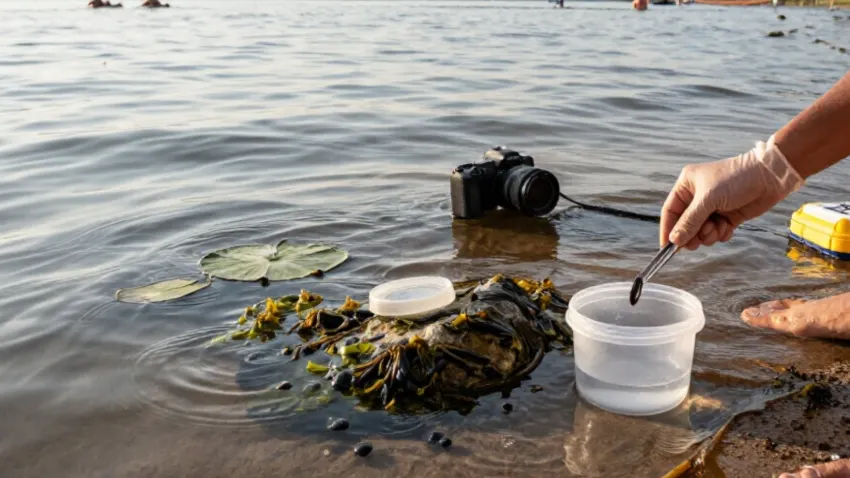
Although leeches are common in many freshwater environments, their presence in swimming areas can pose specific challenges for swimmers and lake managers alike.
You need to recognize that leeches thrive where organic debris, vegetation, and sheltered substrates accumulate near shorelines. These conditions provide ideal hiding spots, increasing the likelihood of swimmer encounters.
For lake managers, understanding leech behavior involves evaluating habitat features such as muck buildup, plant cover, and shaded zones that promote leech survival.
You’ll find that leeches prefer calm, shallow waters rich in organic matter, complicating swimming safety and comfort.
Addressing this issue effectively requires targeted interventions based on precise habitat analysis, rather than broad, generalized treatments that may overlook critical leech refuges or harm non-target species.
In managing such environments, selecting the right anchor type can be crucial for stabilizing equipment and controlling vegetation in muddy, organic-rich bottoms.
Clear Shoreline Habitat to Reduce Leech Shelter
Clearing shoreline habitat plays a crucial role in reducing leech shelter and minimizing their presence in swimming areas.
You should remove branches, flat rocks, leaves, weeds, and other debris near swimming edges and docks, as these provide ideal cover for leeches.
Remove debris like branches, rocks, and leaves near swimming areas to eliminate leech hiding spots.
Additionally, reducing muck and silt in shallow water through localized suction or dredging can limit organic buildup that supports leech populations.
Keeping shoreline zones open and well-lit discourages leeches, which prefer shaded, sheltered environments.
Avoid allowing grass clippings or yard waste to enter the lake, as organic matter promotes leech habitat.
Focus your cleanup efforts specifically on swimming access points rather than attempting whole-lake clearance.
This ensures targeted habitat modification that effectively reduces leech refuge without disturbing broader lake ecology.
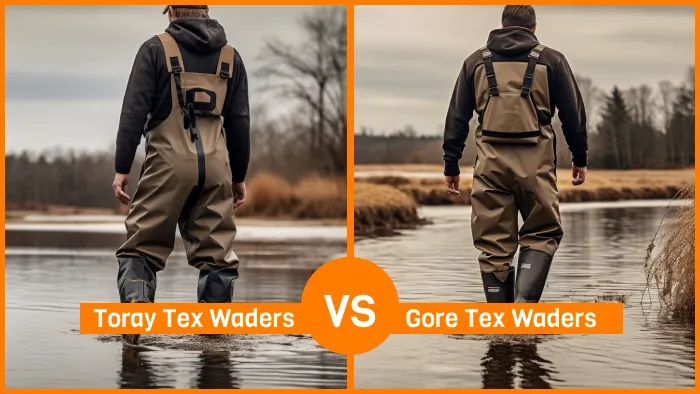
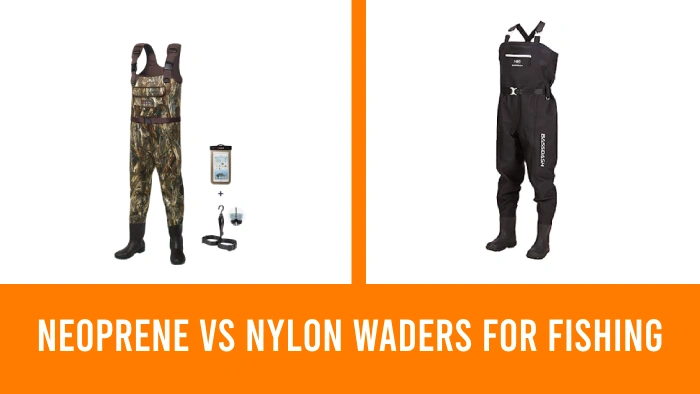
Proper maintenance and cleaning of wader boots can also help prevent bringing leeches from the lake to other areas by removing any trapped debris or moisture inside the gear, promoting effective drying and reducing habitat for these pests.
Use Bait Traps to Catch and Remove Leeches
After reducing leech habitat near swimming areas, you can further control their numbers by using bait traps designed to attract and capture them.
Place perforated metal cans or similar containers baited with raw meat or fish in shallow water where leeches are active. These traps lure leeches by scent, allowing them to enter but not escape.
Check traps regularly during warm periods to monitor catch rates. Remove trapped leeches promptly to prevent decay that might deter others.
Repeat this process until you observe a significant decline in captures, indicating population reduction.
This targeted physical method avoids environmental risks associated with chemical treatments, making it a practical option for localized leech control.
Bait traps work best when combined with shoreline habitat management for more effective leech population suppression.
Using traps with a multi-entry design can increase capture efficiency by allowing leeches to enter from various directions.
Manage Pond Water Levels and Improve Habitat Conditions for Leech Control
When managing pond water levels, lowering the water after ice forms can effectively expose leeches in the mud to freezing temperatures, reducing their survival.
You should only apply this method in small, contained ponds where water-level control is feasible, as it impacts other bottom-dwelling species and isn’t selective.
Alongside water management, improving habitat conditions helps reduce leech populations by limiting their preferred environments.
Focus on these key actions:
- Remove submerged debris like stumps and branches from swimming areas to eliminate shelter.
- Replace soft, mucky bottoms with sand in high-use zones to discourage leech colonization.
- Increase oxygenation and reduce stagnant water to limit organic decay that supports leeches.
- Maintain cleaner shoreline margins to prevent leech recolonization and improve water quality.
Regular inspection and maintenance of pond conditions are essential to ensure long-term effectiveness of leech control measures and to prevent habitat deterioration.
These combined strategies create less hospitable conditions for leeches while promoting a healthier pond ecosystem.
Avoid Chemicals and Practice Safe Handling of Leeches When Swimming
While managing pond water levels and habitat conditions can reduce leech populations, chemical treatments aren’t a viable solution for controlling leeches in lakes or ponds.
No environmentally safe chemicals effectively target leeches without harming fish and other aquatic life. Instead, focus on physical removal and habitat modification.
When swimming, inspect shallow areas beforehand, especially during warm months when leeches are active.
Wear protective footwear and avoid lingering in vegetated or muddy zones where leeches thrive.
If a leech attaches, remove it carefully using a flat object or fingernail to prevent skin damage.
Clean the bite area with soap and water, and cover it if necessary.
Seek medical attention if bleeding continues or signs of infection develop.
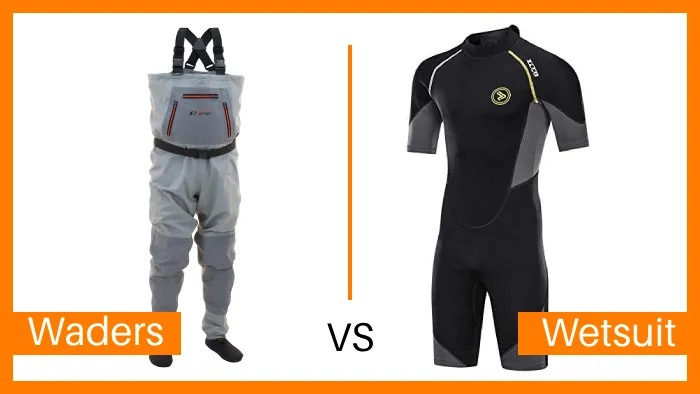
Wearing protective boots similar to those recommended for snake safety can help reduce leech attachment risks in aquatic environments.
These precautions help minimize leech encounters safely and effectively.
Frequently Asked Questions
Can Leeches Transmit Diseases to Humans?
Leeches don’t typically transmit diseases to humans, so you don’t need to worry about infections like those from mosquitoes or ticks.
However, their bites can break your skin, which might lead to secondary bacterial infections if not cleaned properly.
You should clean any leech bite with soap and water and monitor for signs of infection.
If you notice persistent bleeding or swelling, get medical attention promptly to prevent complications.
Are Leeches Harmful to Pets Swimming in the Lake?
You might think leeches won’t bother your pets, but they can attach to dogs or other animals swimming in infested lakes.
While leeches generally aren’t deadly, their bites can cause irritation, discomfort, or minor infections.
You should check your pet carefully after swimming, especially in shallow, vegetated areas where leeches hide.
Prompt removal and cleaning of bite sites reduce risks.
Monitor for unusual behavior or persistent wounds and consult your vet if needed.
How Long Do Leeches Typically Live in Freshwater?
Leeches in freshwater typically live between one to several years, depending on the species and environmental conditions.
You’ll find that some species complete their life cycle within a year, while others can survive up to five years or more.
Factors like water temperature, food availability, and habitat quality directly influence their lifespan.
Understanding these elements helps you predict population dynamics and plan effective control strategies.
Do Leeches Have Natural Predators in Lakes?
Leeches don’t swim alone in the food chain. They’ve natural predators in lakes.
Fish like bass, sunfish, and catfish often feast on them, helping keep their numbers in check.
Birds such as herons and ducks also prey on leeches near the surface.
You’ll find that these predators act as nature’s own pest control, maintaining balance.
Understanding this helps you appreciate biological methods for managing leech populations effectively.
Can Leeches Survive in Treated Swimming Pools?
Leeches generally can’t survive in properly treated swimming pools because chlorine and other disinfectants disrupt their skin and internal processes.
Pools maintain consistent chemical levels and lack organic material, depriving leeches of their habitat and food sources.
However, if pool maintenance lapses and water becomes stagnant or low in disinfectant, leeches might survive temporarily.
You should keep pool chemicals balanced and clean to prevent any chance of leech survival or infestation.
Conclusion: How to Get Rid of Leeches in a Lake Safely
To effectively reduce leeches in your lake, you should clear shoreline vegetation since up to 70% of leech populations thrive in dense aquatic plants.
Using bait traps helps capture and remove them without harmful chemicals, preserving water quality.
Managing water levels and maintaining healthy habitat conditions further discourages leech proliferation.
By following these targeted methods, you’ll create a safer swimming environment and minimize leech encounters while protecting the lake’s ecosystem.