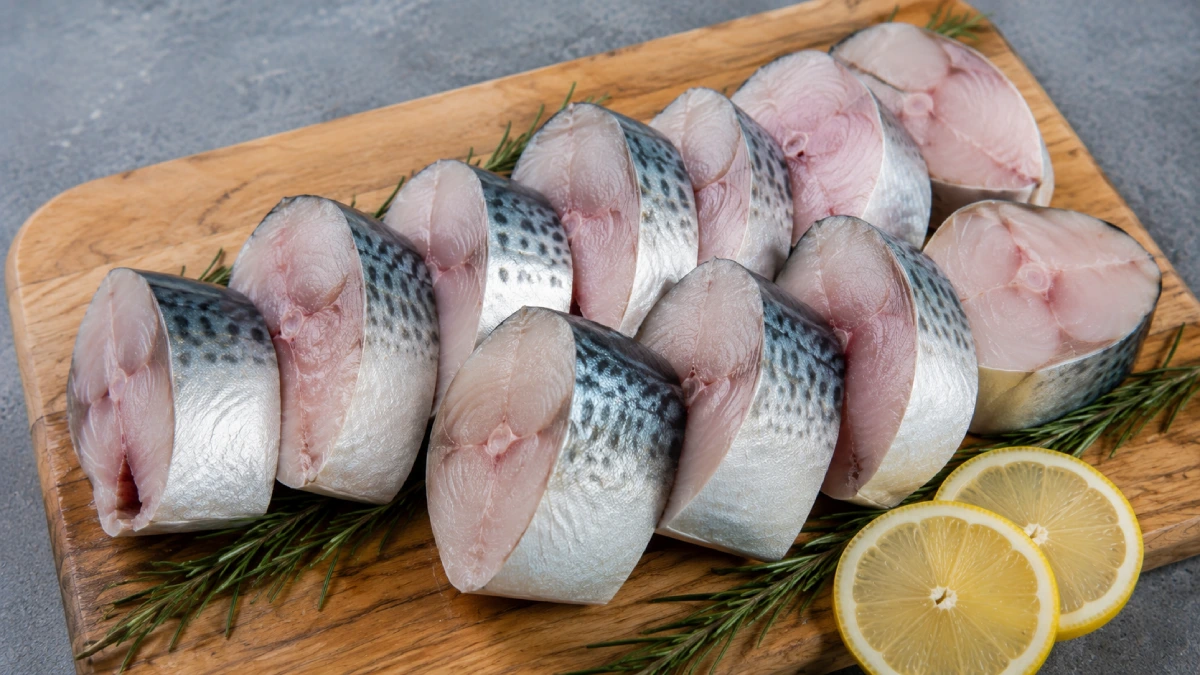
Is Spanish Mackerel Good to Eat: Flavor & Health Benefits
Spanish mackerel offers high protein and omega-3 fatty acids beneficial for heart and metabolic health, with essential vitamins and antioxidants. Its rich, oily flavor suits grilling or smoking but requires careful cooking to preserve nutrients and avoid fishy taste.
However, it contains moderate mercury levels, so limit intake, especially if pregnant or sensitive. Proper handling is vital to prevent histamine-related foodborne illness. To weigh its benefits and risks fully, explore its safety guidelines and culinary tips.
Key Takeaways
- Spanish mackerel is rich in omega-3 fatty acids and protein, supporting heart and metabolic health.
- Its oily flesh offers a flavorful, moist texture best enjoyed grilled, baked, or smoked.
- Proper cooking to 145°F is essential to avoid foodborne illness and histamine poisoning risks.
- Mercury levels average 0.454 ppm; pregnant women and children should limit intake accordingly.
- Immediate refrigeration after catch is critical to prevent spoilage and maintain safety and quality.
What Nutrients Make Spanish Mackerel a Healthy Choice?
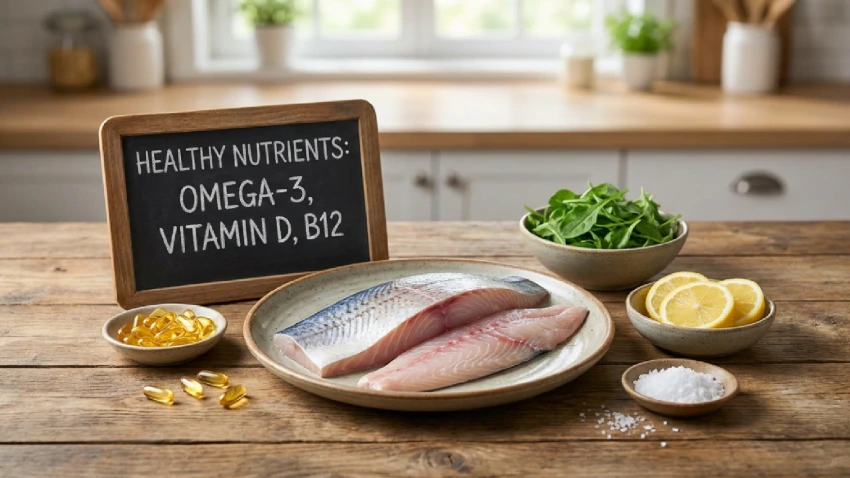
Although many fish provide health benefits, Spanish mackerel stands out due to its high concentration of omega-3 fatty acids, including EPA and DHA, which support cardiovascular health.
You’ll find it contains 19.29 grams of protein per 100-gram raw serving, supplying essential amino acids for muscle maintenance and repair.
Additionally, it provides 36.5 micrograms of selenium per 100 grams, an antioxidant that protects cells from oxidative damage.
The fish also delivers significant amounts of vitamins B6, B12, niacin, and vitamin D, all vital for metabolism, nerve function, and bone health.
Its oily texture enhances nutrient retention during cooking.
Consuming Spanish mackerel regularly can contribute to a balanced diet, promoting heart health, immune function, and overall well-being due to its concentrated nutrient profile.
It is also important to handle and cook Spanish mackerel properly to reduce parasite risks and ensure food safety.
How Does Spanish Mackerel Taste? Best Ways to Cook It
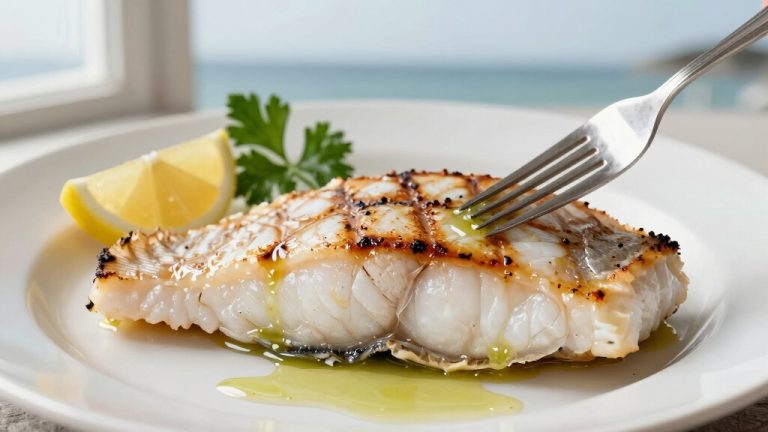
Spanish mackerel has this wonderfully oily flesh that brings a rich, savory seafood flavor to the table. It’s one of those fish you can really enjoy!
If you’re looking to amp up the taste, grilling, smoking, or marinating it can work wonders. These methods not only enhance the flavor but also help keep the fish nice and moist.
And if you want to tone down any strong fishy notes, just remove the bloodline before cooking.
Now, when it comes to preparing your Spanish mackerel, a little care goes a long way. Marinating it or cooking it to the right internal temperature ensures you get the best flavor while also keeping things safe.
Like bonita, Spanish mackerel is an oily fish that benefits from thoughtful preparation to balance flavor and health considerations.
Enjoy your cooking adventure!
Flavor Profile Overview
When you taste Spanish mackerel, you’ll notice its naturally oily flesh delivers a rich, robust seafood flavor that stands out among other fish. This oiliness contributes to a moist texture and enhances the intensity of its taste.
The flavor profile is characterized by a clean, slightly sweet undertone balanced with a pronounced marine savoriness. Removing the bloodline is essential to avoid an overly strong, fishy taste.
Marinating the fish in acidic agents like lemon or lime juice can further refine its flavor by moderating the natural oiliness. Spanish mackerel’s flavor complexity allows it to adapt well to various culinary treatments, with its moisture and fat content supporting cooking methods that preserve texture without drying the flesh.
For optimal culinary results, understanding the balance of durability, organization, and portability in handling and transport can be as important as flavor preparation.
Ideal Cooking Methods
Since Spanish mackerel’s naturally oily flesh retains moisture and flavor well, grilling and smoking stand out as ideal cooking methods to enhance its rich, robust taste.
You’ll find these methods intensify the fish’s natural oils, preserving juiciness and delivering a firm, flaky texture.
Additionally, baking and barbecuing are effective; they cook the fish evenly while maintaining moisture due to its fat content.
Poaching offers a gentler option, minimizing nutrient loss but producing a milder flavor.
Marinating before cooking can further balance the fish’s intensity, especially if you remove the bloodline to reduce bitterness.
Avoid overcooking, as excessive heat can degrade omega-3s and texture.
Spanish mackerel’s firm flesh and balanced moisture make it well-suited to grilling or pan-searing methods that preserve texture and flavor.
Preparing For Consumption
In evaluating Spanish mackerel’s flavor profile, its naturally oily flesh delivers a rich, robust seafood taste that appeals to many palates.
To prepare it for consumption, you should first remove the bloodline, as it contains strong, fishy flavors.
Marinating the fish in citrus juice for up to 12 hours can reduce this odor while enhancing texture.
Cooking methods like grilling, smoking, baking, or poaching preserve moisture and maximize flavor due to the oily composition.
Make certain an internal temperature of 145°F to guarantee safety and prevent foodborne illness.
While raw consumption is discouraged, pickling and barbecuing are viable alternatives that complement the fish’s taste.
Proper preparation optimizes palatability and minimizes potential off-flavors inherent to Spanish mackerel.
Including Spanish mackerel in your diet can provide beneficial omega-3 fatty acids that support cardiovascular and brain health.
Is Spanish Mackerel Safe to Eat? Understanding Mercury Levels
Spanish mackerel often contains mercury levels averaging 0.454 parts per million, which exceeds the commonly recommended safety threshold of 0.3 ppm.
This concentration places it above the limit advised for frequent consumption, especially for sensitive groups like pregnant women and children.
You should limit your intake accordingly: pregnant women should consume no more than 1-2 servings per week, while healthy adults are advised to restrict consumption to one serving every two weeks.
Mercury accumulates in the fish’s tissues, particularly in specimens from the Gulf of Mexico, which tend to have higher levels than Atlantic varieties.
While Spanish mackerel is classified as low-mercury by the FDA, you must consider these guidelines to minimize mercury exposure and reduce potential health risks associated with bioaccumulated toxins.
Proper post-catch handling can help preserve the quality and safety of the fish you consume.
How Should You Handle and Store Spanish Mackerel Safely?
When you catch Spanish mackerel, it’s really important to cool it down right away. This helps slow down bacteria growth and keeps the fish from spoiling too quickly.
So, what should you do? Well, you can either store the fish on ice or freeze it as soon as possible. This is key for keeping it fresh and avoiding any histamine buildup.
Just a heads-up: if you wait longer than two hours to refrigerate the fish, it really ramps up the risk of scombroid poisoning. So, make sure you handle it promptly!
Additionally, storing the fish in a cool, ventilated area helps prevent odors and bacterial growth during short-term storage.
Immediate Cooling Importance
Make sure you cool Spanish mackerel immediately after capture to prevent rapid spoilage and histamine buildup, which can lead to scombroid poisoning.
Rapid chilling slows bacterial activity that produces histamine, a toxin resistant to heat and freezing.
Store the fish on ice or at temperatures below 40°F (4°C) within two hours post-catch to inhibit enzymatic degradation and microbial growth.
Use crushed ice to surround the fish evenly, maintaining consistent low temperature and moisture.
Avoid leaving Spanish mackerel at ambient temperatures, as histamine accumulation accelerates beyond this period.
Proper immediate cooling preserves the fish’s biochemical integrity and guarantees safety for consumption.
Avoid using substances like WD-40 around fish or their storage areas to prevent toxic contamination that can harm aquatic organisms and compromise food safety.
Preventing Spoilage Risks
Maintaining safety after capture requires strict handling and storage protocols to prevent spoilage and toxic histamine buildup.
You should immediately chill Spanish mackerel on ice or refrigerate it below 40°F to slow bacterial growth.
Avoid leaving the fish unrefrigerated for more than two hours, as histamine-producing bacteria multiply rapidly at higher temperatures.
For longer storage, freeze the fish at or below 0°F to maintain freshness and inhibit spoilage.
When thawing frozen Spanish mackerel, do so in the refrigerator rather than at room temperature to minimize bacterial proliferation.
Always cook the fish to an internal temperature of 145°F to guarantee safety.
Proper handling and timely refrigeration or freezing are essential in preventing scombroid poisoning linked to histamine accumulation in improperly stored fish.
Storing fish properly, such as on ice or wrapped airtight in moisture-proof material, helps preserve quality and freshness.
Who Should Limit or Avoid Eating Spanish Mackerel?
Because Spanish mackerel contains mercury levels averaging 0.454 ppm, certain groups should limit or avoid its consumption to reduce potential health risks.
Pregnant and nursing women should restrict intake to 1–2 servings per week or choose lower-mercury fish like salmon to prevent fetal and infant neurodevelopmental harm.
Pregnant and nursing women should limit Spanish mackerel to protect fetal and infant brain development.
Children and individuals with weakened immune systems should also limit consumption to one serving weekly to reduce mercury exposure and potential immune suppression.
Healthy adults are advised to consume Spanish mackerel no more than once every two weeks, balancing benefits against mercury risks.
If you fall into these groups, monitoring your overall seafood intake and selecting lower-mercury alternatives can help minimize toxic exposure while maintaining nutritional benefits.
It is important to follow local advisories to stay informed about safe consumption limits in your area.
What Are the Risks of Eating Spanish Mackerel Raw or Undercooked?
Limiting consumption of Spanish mackerel due to mercury concerns is important. However, understanding the risks associated with eating it raw or undercooked is equally necessary.
Consuming raw or insufficiently cooked Spanish mackerel markedly increases the risk of foodborne illnesses. This is primarily due to bacterial contamination and histamine buildup.
This fish spoils rapidly. If not immediately refrigerated or frozen after capture, histamine levels can rise, causing scombroid poisoning. Symptoms include flushing, headaches, and gastrointestinal distress.
Cooking Spanish mackerel to an internal temperature of 145°F effectively eliminates these risks. This process destroys bacteria and inactivates histamines.
Consequently, eating it raw or undercooked is discouraged, especially for vulnerable populations. This practice elevates potential health hazards despite the fish’s nutritional benefits.
Proper handling and thorough cooking are essential for safe consumption.
How Does Spanish Mackerel Compare to Other Popular Fish?
Spanish mackerel often stands out among popular fish due to its high omega-3 fatty acid content and substantial protein levels.
Compared to Atlantic mackerel, it contains a similar nutrient density but generally exhibits higher mercury concentrations, which may influence consumption frequency.
Wild salmon offers comparable omega-3 benefits with lower toxic risk, making it a safer alternative for regular intake.
Shark and swordfish contain markedly more mercury, positioning Spanish mackerel as a relatively safer choice within larger predatory fish.
Nutritionally, Spanish mackerel provides essential selenium and B vitamins that support metabolic functions and cardiovascular health, surpassing many common fish.
However, you should consider mercury exposure risks when selecting it over other species, balancing its rich nutrient profile with recommended consumption limits for best health outcomes.
When Is Spanish Mackerel a Good Choice for Your Diet?
Incorporating Spanish mackerel into your diet can provide substantial cardiovascular and metabolic benefits due to its high omega-3 fatty acid and protein content. You should consider eating it when you want to increase intake of EPA and DHA, essential for heart health.
However, due to its average mercury level of 0.454 ppm, moderate consumption is vital. If you’re a healthy adult, limit yourself to one serving every two weeks. Pregnant women, nursing mothers, and children should consume it sparingly or avoid it altogether to reduce mercury exposure risks.
Additionally, prioritize fresh specimens stored properly to prevent histamine poisoning. Choosing Spanish mackerel occasionally can diversify your seafood intake, but balance it with lower-mercury fish like Atlantic mackerel or wild salmon for safer regular consumption.
Frequently Asked Questions
Where Is Spanish Mackerel Typically Caught and Sourced From?
You’ll typically find Spanish mackerel caught and sourced from the Atlantic Ocean and the Gulf of Mexico.
The Gulf specimens tend to have higher mercury levels compared to those from the Atlantic.
These fish inhabit coastal waters, often near reefs and estuaries, where they’re harvested both commercially and recreationally.
If you’re sourcing Spanish mackerel, knowing the origin helps you assess quality and safety due to regional differences in contaminant concentrations.
How Long Can Spanish Mackerel Be Stored Frozen Without Quality Loss?
Think of freezing Spanish mackerel like pressing pause on a vibrant symphony. It keeps its rich, oily flavor intact if you store it properly.
You can freeze it for up to three months without significant quality loss. Beyond this, the delicate omega-3 fats and texture start to degrade.
Always wrap it tightly and maintain a constant temperature at or below 0°F (-18°C) to preserve its nutritional and sensory qualities effectively.
What Are Common Signs That Spanish Mackerel Has Spoiled?
You’ll know Spanish mackerel has spoiled if it emits a strong, sour, or ammonia-like odor. The flesh will feel slimy, sticky, or tacky instead of firm and moist.
Discoloration, such as dullness or brownish hues, often appears. If the eyes are cloudy or sunken and the gills turn gray or brown instead of bright red, spoilage is present.
Avoid consumption once these signs occur to prevent scombroid poisoning.
Can Spanish Mackerel Be Used in Sushi or Sashimi Safely?
Sure, if you want to invite a foodborne illness to your sushi party, go ahead and use Spanish mackerel raw.
Seriously, it’s not safe. Its high histamine risk and mercury levels make raw consumption risky.
Cooking to 145°F kills bacteria and toxins. Eating it sashimi-style can lead to scombroid poisoning.
What Sustainability Practices Exist for Spanish Mackerel Fishing?
You’ll find that sustainable Spanish mackerel fishing relies on regulated catch limits, seasonal closures, and size restrictions to protect spawning populations.
Fisheries use selective gear to reduce bycatch and avoid habitat damage.
Monitoring programs track stock health, ensuring compliance with quotas.
Certification schemes like MSC promote responsible practices.
By supporting these measures, you help maintain ecosystem balance and fish populations.
This ensures Spanish mackerel remains available for future generations.
Enjoy Spanish Mackerel Safely and Confidently
Choosing Spanish mackerel is like piloting a well-charted sea: rich in nutrients, it offers a flavorful bounty when cooked properly, yet demands caution due to mercury content.
By handling and storing it safely, you steer clear of risks, especially if you’re vulnerable to contaminants.
Compared to other fish, it holds a unique position.
Ultimately, knowing when and how to include Spanish mackerel in your diet guarantees you harness its benefits without drifting into harm.