Are White Perch Good to Eat: Taste, Nutrition & Cooking Tips
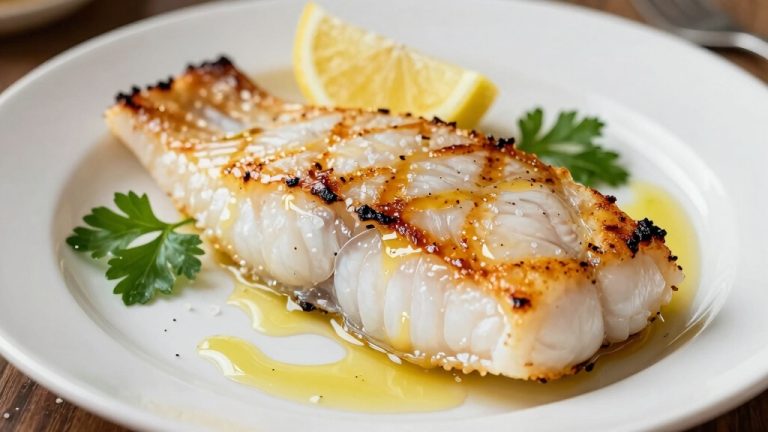
You’ll find white perch good to eat thanks to their firm, flaky flesh and stronger flavor compared to yellow perch. Their taste closely resembles striped bass, with a mild brininess and slight sweetness influenced by diet and habitat.
Larger fish yield more fillet, especially from lakes like Norman and Hickory. Careful filleting to remove the red meat line improves flavor. If you want to optimize your catch and cooking methods, exploring regional preferences and best practices can be helpful.
Key Takeaways
- White perch have a firm, flaky texture and stronger flavor, often preferred over yellow perch by anglers and cooks.
- Their taste is closest to striped bass among freshwater fish, making them a popular choice for various cooking methods.
- Larger white perch yield substantial, high-quality fillets with more meat compared to smaller perch species.
- They are versatile for frying, grilling, baking, and chowders, pairing well with citrus and mild herbs.
- Proper filleting, including removing the red meat line, enhances flavor and overall eating quality.
Comparing White Perch Taste to Yellow Perch and Other Fish
When you compare white perch to yellow perch, you’ll find that white perch generally pack a stronger flavor, which some anglers prefer despite it being less sweet than yellow perch.
White perch taste is often described as the closest among freshwater fish to striped bass, indicating a more robust profile.
Regional preferences show New England anglers favor white perch over yellow perch, reflecting taste variations.
Scientifically, white perch possess a more pronounced flavor intensity, likely due to differences in diet and habitat.
Compared to other panfish like crappie, white perch share some similarities in flavor and texture but remain distinct.
This stronger flavor can influence culinary choices, especially for those seeking a more assertive fish taste, though it may not appeal to everyone accustomed to the milder yellow perch palate.
Understanding habitat preferences of fish like trout and perch can also shed light on flavor differences related to their environment.
What Makes White Perch Meat Great for Cooking?
Building on the distinct flavor profile that sets white perch apart from yellow perch and other freshwater fish, the meat’s texture and composition also contribute markedly to its culinary appeal.
You’ll find the meat firm yet flaky, providing a reliable structure that holds up during frying and grilling. Its higher meat yield per fish compared to smaller perch makes it practical for meal preparation.
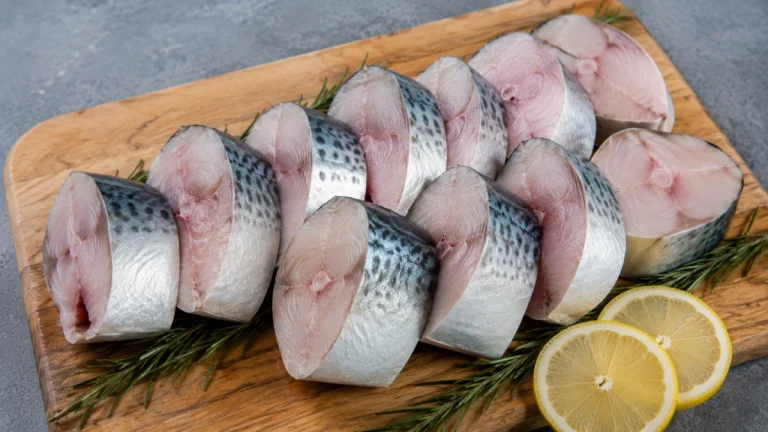
White perch fillets often feature a red meat line near the skin, which you’ll want to remove for peak taste. The meat’s resemblance to striped bass in appearance reflects its quality and versatility.
- Firm, flaky texture ideal for varied cooking
- Higher meat yield per fish than yellow perch
- Red meat line requires careful removal
- Fillets visually similar to striped bass
- Softer meat comparable to crappie in some specimens
Additionally, incorporating fish with a high omega-3 content like white perch into your meals can provide significant health benefits.
Top Ways to Cook and Enjoy White Perch
When it comes to cooking white perch, frying and grilling are definitely the way to go. These methods really bring out that firm, flaky texture and let the fish’s stronger flavor shine through. You know, it kind of reminds you of striped bass in taste, right?
To balance that natural flavor, try pairing it with some citrus or mild herbs. It makes a world of difference!
Plus, if you’re feeling adventurous, white perch is super versatile. You can whip up some delicious chowders or even tacos. With its higher meat yield, you’ll really get to enjoy the fish in some creative ways!
White perch’s lean, moist flesh readily absorbs spices and marinades, enhancing its culinary appeal.
Best Cooking Methods
Explore the versatility of white perch by applying cooking methods that enhance its firm yet flaky texture and distinctive flavor. Given its structural integrity, white perch responds well to heat without disintegrating, making it ideal for various culinary techniques.
Consider these methods to optimize taste and texture:
Pan-frying in a light batter creates a crispy exterior while keeping the interior moist. Grilling over medium heat imparts a subtle char and preserves moisture.
Baking with minimal oil maintains firmness and allows natural flavors to concentrate. Incorporating it into chowders ensures the meat retains its shape and adds depth.
Sautéing with herbs highlights delicate flakiness and mild brininess. These methods scientifically preserve the meat’s structural proteins and moisture content, ensuring a satisfying eating experience. Proper handling and cooking are essential to reduce parasite risks and enhance flavor safety.
Flavor Pairing Ideas
Pairing white perch with complementary flavors enhances its firm, flaky texture and distinctive taste profile.
You’ll want to balance its moderate strength with fresh, bright elements like lemon or lime juice, which cut through its natural richness.
Herbs such as dill, parsley, and thyme highlight its subtle sweetness without overpowering.
For seasoning, mild spices like paprika or white pepper preserve the fish’s delicate flavor while adding gentle warmth.
When cooking, consider accompaniments like tartar sauce, a light beurre blanc, or a cucumber-dill relish to elevate the dish.
Starches like roasted potatoes or wild rice offer a neutral base, allowing the fish’s flavor to stand out.
These pairings optimize white perch’s culinary potential, making your meals both flavorful and scientifically balanced.
When choosing fish to eat, it’s important to be aware of contaminant accumulation in predatory species, which may influence consumption decisions.
How Size and Location Affect White Perch Fillet Yield?
You’ll notice that larger white perch, usually in the range of 8 to 12 inches, tend to give you more fillet meat than their smaller counterparts.
This definitely impacts your overall harvest, right?
And let’s not forget about location! It plays a big role in the quality of the meat.
For instance, fish from areas like Chesapeake Bay are often prized for their firmer texture and flavor.
So, understanding these size and regional differences can really help you optimize your fillet yield and improve your culinary results.
It’s all about making the most of what you catch!
Additionally, knowing the seasonal patterns of fish populations can further enhance your fishing strategy and harvest quality.
Size Impact On Yield
When evaluating white perch fillet yield, size and location play critical roles in determining the amount and quality of meat you can expect.
Larger white perch, typically in the 10-12 inch range, yield more substantial fillets compared to smaller 6-8 inch individuals.
Although white perch rarely exceed 1 pound, even moderate increases in length markedly enhance meat quantity.
Overpopulated areas often produce smaller fish, which diminishes yield per catch.
As you handle fish from different habitats, note these distinctions:
- 8-10 inch white perch average higher fillet weight than similarly sized Yellow Perch.
- Fish from less crowded waters tend to grow larger, increasing yield.
- Smaller fish yield thinner, less substantial fillets.
- Meat quality remains consistent, but fillet size varies noticeably.
- Size directly correlates with usable meat volume after filleting.
This data helps optimize your expectations when targeting white perch. Additionally, understanding the habitat preferences of different fish species can further inform your fishing strategy and yield expectations.
Location-Based Meat Quality
Although white perch generally maintain consistent meat quality, variations in fillet yield and texture arise markedly from their size and the specific location they inhabit.
Larger specimens from lakes with balanced populations, like Lake Norman, yield firmer and thicker fillets. Smaller fish in overpopulated areas, such as Lake Hickory, produce thinner fillets with a softer texture.
Additionally, environmental factors like water temperature and food availability influence muscle development, impacting fillet firmness and quantity. You’ll notice that fillet yield increases with size but also varies by habitat quality.
Water temperature above 60°F and habitat structure, such as submerged vegetation and woody debris, play a crucial role in fish health and growth, as seen in successful peacock bass fishing environments.
| Location | Average Size (inches) | Fillet Yield (%) |
|---|---|---|
| Lake Norman | 10-12 | 45-50 |
| Taylorsville | 8-10 | 40-45 |
| Lake Hickory | 6-8 | 35-40 |
| Overpopulated Areas | 5-7 | 30-35 |
Regional Fillet Variations
Because white perch populations vary markedly across regions, their fillet yield and quality also differ based on size and habitat conditions.
When you fillet white perch from larger lakes like Lake Norman, you’ll notice thicker, firmer fillets compared to those from overpopulated areas such as Lake Hickory, where smaller fish yield less meat.
Fillet quality can also be influenced by factors like water temperature and food availability, affecting texture and fat content. Expect to remove the red meat line near the skin regardless of location. Consider these regional differences:
Larger specimens provide firmer, thicker fillets.
Smaller populations yield thinner, less substantial fillets.
Fish from nutrient-rich habitats develop richer flavor.
Seasonal changes impact fillet fat and texture.
Habitat conditions influence ease of filleting and meat quality.
Using the right rod action and equipment can also affect how efficiently you catch white perch, ultimately impacting your fillet yield and quality.
Why Regional Anglers Prefer White Perch?
Regional anglers prefer white perch due to their firmer texture and stronger flavor profile compared to yellow perch. This offers a more satisfying culinary experience.
This preference is particularly notable in regions like Chesapeake Bay and New England, where white perch’s taste is regarded as superior. It’s often described as closest to striped bass among freshwater fish.
You’ll find white perch’s meat yields more fillet per fish than the smaller yellow perch, making it more efficient for cooking. Its firm, flaky flesh suits various cooking methods, including frying and grilling.
Additionally, regional anglers appreciate the consistent availability of white perch in local waters across different seasons, especially in spring and winter.
These combined factors explain why many anglers favor white perch over other panfish in their specific locales. Proper handling techniques can also help maintain white perch quality for cooking after catch.
Filleting White Perch: Removing Red Meat and Handling Grubs
White perch offer a firm, flaky texture that suits various cooking methods, but proper filleting enhances both taste and presentation.
When filleting, you should carefully remove the red meat line near the skin, as it can impart a stronger, less desirable flavor.
Watch for small grub infestations, which occasionally affect white perch, similar to yellow perch.
Removing these parasites maintains quality and safety.
Use a sharp fillet knife to make precise cuts along the backbone and ribs, minimizing meat loss.
- Identify and trim the dark red meat line close to the skin.
- Inspect fillets for small white or cream-colored grubs.
- Use gentle pressure to separate skin without tearing flesh.
- Rinse fillets under cold water to remove residual debris.
- Store fillets chilled promptly to preserve freshness.
When and Where to Fish White Perch for the Best Catch?
If you want to maximize your white perch catch, timing and location are essential factors to keep in mind.
White perch are most abundant and easier to catch during spring, particularly in coves such as Taylorsville Beach on Lake Hickory.
Spring offers the best white perch fishing, especially in coves like Taylorsville Beach on Lake Hickory.
Larger specimens tend to inhabit deeper waters like those found in Lake Norman, which can yield better fillet sizes.
Outside spring, white perch become less active, requiring more precise techniques and persistence.
Winter fishing can still be productive due to their consistent presence.
When choosing spots, focus on areas with moderate vegetation and structure, as white perch seek shelter and forage there.
Understanding these temporal and spatial patterns will improve your catch efficiency and enhance the quality of your fillets.
Frequently Asked Questions
Are White Perch Safe to Eat Year-Round?
You can safely eat white perch year-round, but you should consider regional advisories about contaminants like mercury or PCBs.
Their firm, flaky meat is ideal for various preparations, and they provide ample fillets. However, you need to remove the red meat line near the skin during filleting.
Seasonal variations might affect catch rates, but consumption remains generally safe if you follow local health guidelines and avoid overconsumption in polluted waters.
What Are the Nutritional Benefits of White Perch?
You mightn’t expect a small white perch to be a nutritional powerhouse, but it actually delivers.
White perch provide a good source of lean protein essential for muscle repair and growth. They’re low in calories and fat, making them heart-healthy.
Rich in omega-3 fatty acids, they help reduce inflammation and support brain function. Additionally, they supply crucial vitamins like B12 and minerals such as selenium, promoting overall wellness.
How Should White Perch Be Stored Before Cooking?
You should store white perch on ice or in a refrigerator at 32°F (0°C) immediately after catching to maintain freshness and inhibit bacterial growth.
Keep the fish whole or gutted, wrapped in moisture-proof material to prevent drying.
If you plan to keep it longer than two days, freeze the fillets at 0°F (-18°C) or below.
Proper storage preserves texture and flavor, ensuring peak cooking quality and safety.
Can White Perch Be Frozen Without Losing Flavor?
Freezing white perch is like hitting the pause button on freshness. You can preserve its flavor if you do it right.
To maintain taste and texture, clean and fillet the fish promptly. Then wrap it tightly in moisture-proof packaging or vacuum seal it.
Store at 0°F (-18°C) or below. Proper freezing slows enzymatic and microbial activity, minimizing flavor loss.
Avoid repeated thawing to keep the meat firm and flavorful for future cooking.
Are There Any Health Concerns With Eating White Perch?
You should be aware that white perch can sometimes carry parasites like grubs, similar to Yellow Perch. This requires proper cooking to eliminate health risks.
Additionally, depending on the water body, contaminants like mercury or PCBs may accumulate. Checking local advisories is essential.
The Smart Angler’s Secret to Perfect White Perch Every Time
You’ll find white perch offers a culinary bridge between delicate yellow perch and heartier fish, with firm, mild meat that adapts well to various cooking methods.
Its value shines not just in flavor but in how size and habitat influence fillet yield, guiding your choice of catch.
By mastering filleting techniques and timing your fishing trips, you hold the key to unleashing white perch’s full potential, turning each meal into a precise scientific craft.