Neoprene vs Breathable Waders: A Practical Comparison
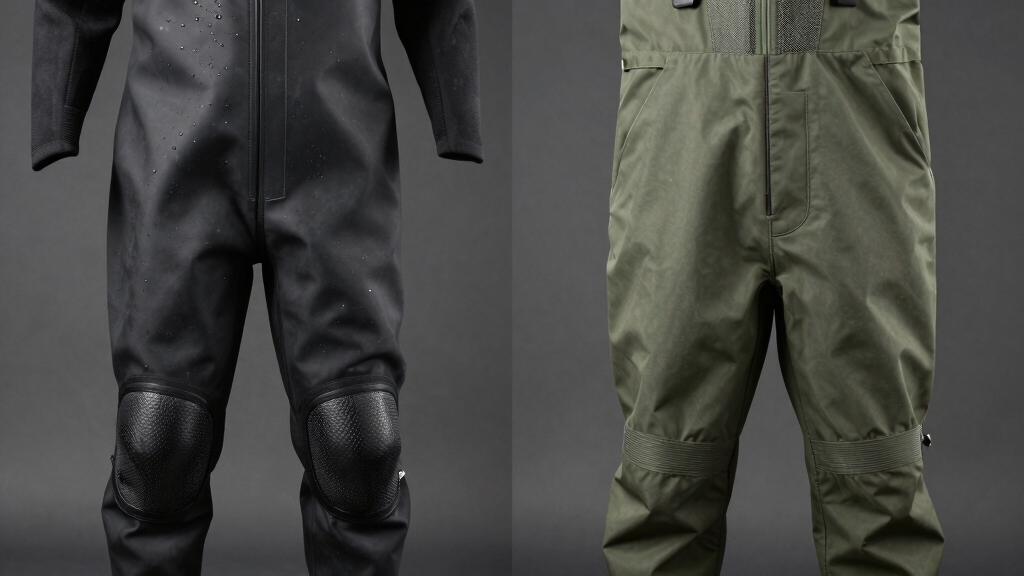
You’ll find neoprene waders offer superior insulation and rugged durability, perfect for cold or freezing water. They’re heavier and less breathable but keep you warm without extra layers.
Breathable waders, made from multi-layer synthetic fabrics, prioritize lightweight comfort and moisture control, ideal for active use in milder conditions.
They’re less durable and need careful maintenance to stay waterproof. Understanding these trade-offs helps you pick the right waders for your needs and environment.
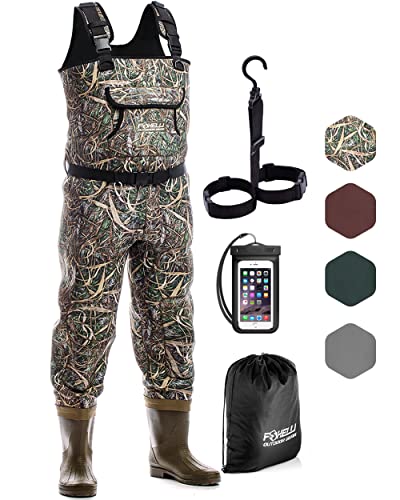
- Stay warm and dry with 4mm neoprene, providing excellent insulation for cold water fishing or…
- Convenient boot-foot design allows for easy on/off. Lightweight PVC boots with anti-slip soles…
- Double-stitched, taped, and sealed seams keep you completely dry. Reinforced knee pads provide extra…

- WATERPROOF and BREATHABLE – 4-ply Nylon Upper constructed with DRIPORE Gen 2 material. Breathable…
- NEOPRENE BOOTIES – 4mm Waterproof, double seam taped neoprene booties with attached gravel guards…
- DURABLE – Abrasion-resistant nylon, 4-ply with Double-Reinforced Knees, fully taped seams

Key Takeaways
- Neoprene waders offer superior insulation and warmth, ideal for cold or freezing water conditions without extra layering.
- Breathable waders provide better moisture control by allowing sweat vapor to escape, keeping you drier and more comfortable.
- Neoprene is heavier and less flexible, which can reduce mobility compared to the lighter, more flexible breathable waders.
- Durable neoprene resists punctures and lasts 5–7 years; breathable waders are more vulnerable and typically last 3–5 years.
- Choose neoprene for rugged, cold-weather use; opt for breathable waders for active, longer days in milder environments.
Understanding Wader Differences at a Glance: Neoprene vs Breathable
| Feature | Neoprene Waders | Breathable Waders |
|---|---|---|
| Primary Material | Synthetic rubber with nitrogen bubbles | Multi-layer fabric with waterproof membrane |
| Waterproof Protection | Naturally waterproof rubber construction | Membrane-based waterproofing |
| Breathability Level | Low breathability, traps internal moisture | High breathability, releases sweat vapor |
| Thermal Performance | Excellent insulation without extra layers | Layer-dependent insulation |
| Weight Profile | Heavier and bulkier feel | Lightweight and flexible |
| Mobility and Flexibility | Moderate mobility, reduced agility | High mobility with unrestricted movement |
| Moisture Management | Retains heat and sweat | Actively manages moisture |
| Durability Against Abrasion | Highly resistant to punctures and wear | More delicate, requires careful use |
| Seam Construction | Stitched and taped seams | Fully taped seams for water resistance |
| Maintenance Needs | Low to moderate upkeep | Regular inspection and care |
Neoprene vs. Breathable Wader Construction
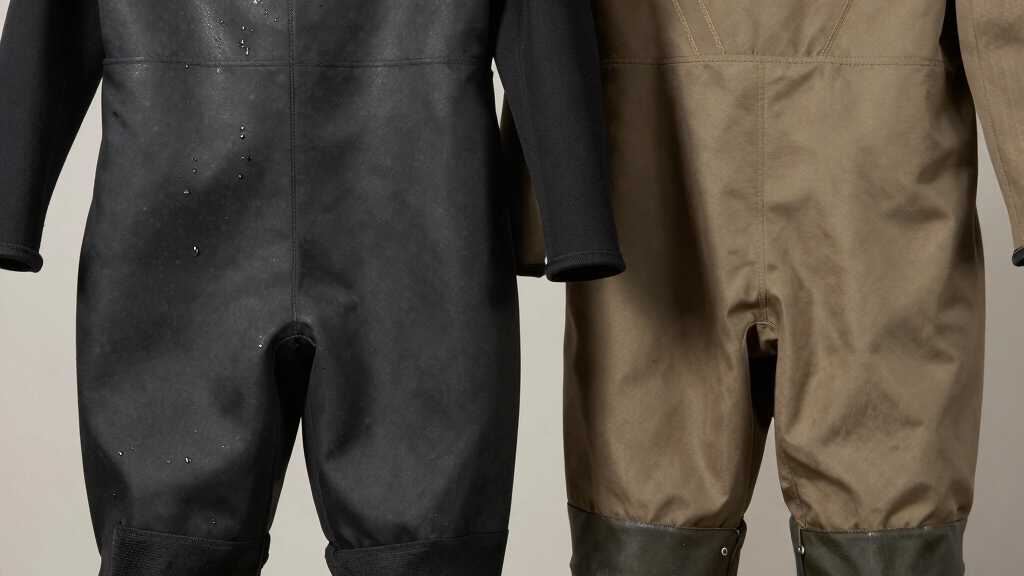
When comparing neoprene and breathable wader construction, you’ll notice they rely on fundamentally different materials and design principles.
Neoprene waders use synthetic rubber filled with nitrogen bubbles, creating thick, cushioned insulation with a snug fit.
Neoprene waders feature synthetic rubber infused with nitrogen bubbles, offering thick, cushioned insulation and a snug fit.
This rubber is dense and naturally waterproof, providing inherent protection.
Breathable waders, on the other hand, consist of multi-layer synthetic fabrics like polyester or nylon bonded with waterproof membranes.
These membranes block external water while allowing water vapor to escape, enhancing comfort during activity.
Neoprene seams combine stitching and taping for durability, whereas breathable waders often employ fully taped seams without visible stitching to maintain waterproof integrity.
Understanding these differences helps you choose waders suited to your specific fishing or hunting needs, balancing insulation, comfort, and breathability.
Additionally, neoprene offers superior insulation and warmth making it ideal for cold water fishing and harsh environments.
Warmth Performance: Which Waders Keep You Warmer?
Beyond material and seam construction, warmth performance remains a primary factor in choosing between neoprene and breathable waders.
Neoprene offers superior insulation with its thick, nitrogen-filled rubber, keeping you warm in freezing conditions without extra layering.
Breathable waders rely on fabric membranes and require thermal layers to match neoprene’s warmth, making them better for mild to moderate temperatures.
| Feature | Neoprene Waders | Breathable Waders |
|---|---|---|
| Insulation | Excellent, inherent | Moderate, depends on layering |
| Thickness Options | 3.5mm, 5mm | Thin, multi-layer fabrics |
| Cold Weather Use | Ideal for freezing temperatures | Not recommended without layers |
| Moisture Control | Traps sweat, less breathable | Allows vapor escape, stays dry |
| Warmth Rating | High | Variable, lower without layers |
Choose neoprene if warmth is your top priority. Proper sizing and fit play a crucial role in maintaining the insulation and comfort properties of neoprene waders over time.
Weight, Mobility, and Comfort Compared
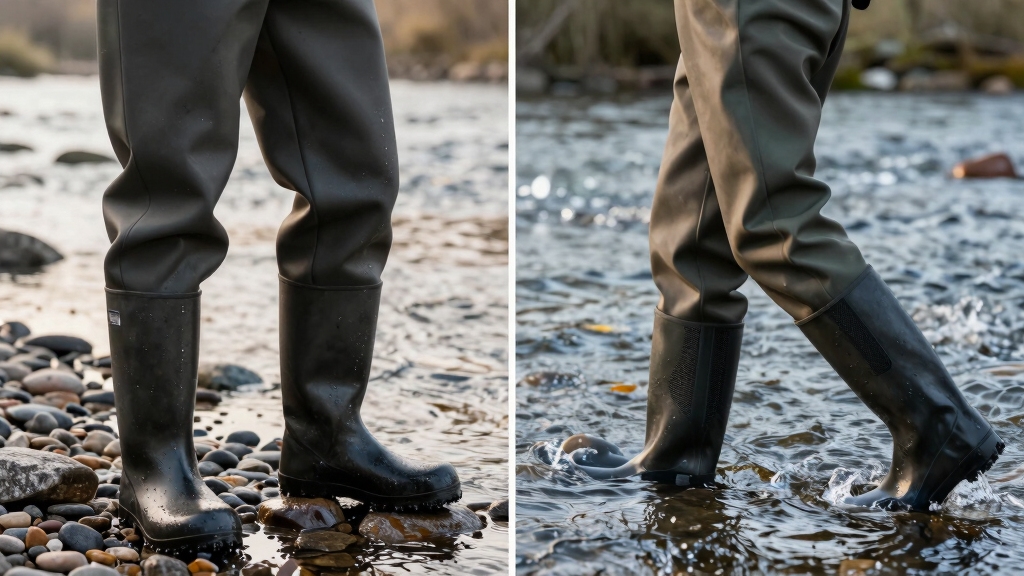
Although neoprene waders provide excellent insulation, they tend to be heavier and restrict your movement compared to breathable waders. The dense synthetic rubber adds bulk, limiting your agility during extended activity or when traversing uneven terrain.
Breathable waders, constructed from lightweight multi-layer fabrics with waterproof membranes, markedly reduce weight, allowing for enhanced mobility and quicker response. You’ll find breathable models easier to put on and remove due to their less restrictive fit.
Additionally, breathable fabrics wick moisture away from your skin, preventing that uncomfortable “hot, swampy” feeling common with neoprene, which traps sweat inside. If you prioritize freedom of movement and comfort during active hunts or long days, breathable waders offer a practical advantage over the heavier, more confining neoprene options.
However, neoprene waders, especially those with 3mm thickness, provide better flexibility and are more comfortable for activities requiring agility compared to thicker neoprene options.
Durability and Maintenance of Neoprene and Breathable Waders
Since you rely on your waders to withstand harsh conditions, understanding their durability and maintenance is essential.
Neoprene waders offer robust resistance to punctures and abrasions, making them ideal for rugged environments.
With proper care, you can expect 5-7 years of reliable use. However, watch for snags on sharp objects, as neoprene can tear.
Breathable waders, while lighter, are more vulnerable to damage from rough terrain and usually last 3-5 years under regular use.
You’ll need to inspect seams and membranes frequently and repair any punctures promptly to maintain waterproof performance.
Regular cleaning and drying after each use prevent material degradation and odors.
Additionally, neoprene’s low density and buoyancy provide an inherent safety benefit by helping keep waders afloat if submerged.
Ultimately, your maintenance routine directly affects wader longevity, so handle each type according to its specific material needs.
Choosing Neoprene or Breathable Waders for Hunting and Fishing
Understanding the durability and maintenance of neoprene and breathable waders helps you make an informed choice when selecting gear for hunting and fishing.
If you hunt in cold or freezing water, neoprene’s insulation and ruggedness serve you well. However, it’s heavier and less breathable.
For active hiking or milder conditions, breathable waders keep you dry and comfortable with better mobility. They do need more care and have a shorter lifespan.
Neoprene waders provide excellent insulation by trapping body heat, making them ideal for prolonged exposure to cold water.
| Factor | Neoprene | Breathable |
|---|---|---|
| Best Use | Cold weather, freezing water | Mild to moderate weather, active |
| Weight & Comfort | Heavier, less breathable | Lighter, wicks moisture |
| Durability | Highly durable, long-lasting | More delicate, shorter lifespan |
Frequently Asked Questions
How Do Neoprene and Breathable Waders Affect Fishing Rod Handling?
You’ll notice neoprene waders limit your rod handling because their heavier, snug fit restricts arm movement during casting or reeling.
Breathable waders, being lighter and less restrictive, let you move more freely, improving your grip and control over the rod.
Plus, breathable fabrics wick away sweat, keeping your hands drier and reducing slippage.
Can Breathable Waders Be Used in Saltwater Environments Without Damage?
You can definitely use breathable waders in saltwater environments without damage, but you’ll need to rinse them thoroughly with fresh water after each use.
Since breathable waders feature delicate waterproof membranes and lighter fabric, they’re more susceptible to saltwater wear and abrasion than neoprene.
Proper maintenance prolongs their average 3-5 year lifespan.
What Is the Environmental Impact of Disposing Neoprene Versus Breathable Waders?
When you dispose of neoprene waders, you face environmental challenges since neoprene is a synthetic rubber that doesn’t biodegrade easily and can persist in landfills for decades.
Breathable waders, made from multi-layer synthetic fabrics, also don’t break down quickly but can sometimes be recycled depending on local facilities.
To minimize impact, consider donating or repurposing your waders. Avoid landfill disposal when possible to reduce long-term environmental harm.
Are There Specific Cleaning Products Recommended for Each Wader Type?
You should use mild, non-detergent soap or specialized wader cleaners for both neoprene and breathable waders.
Avoid harsh chemicals or bleach, as they can degrade materials.
For neoprene, gently scrub with a soft brush to preserve its rubber integrity.
For breathable waders, focus on cleaning membranes with care to maintain waterproof breathability.
Always rinse thoroughly and air dry away from direct heat to extend your waders’ lifespan and performance.
Do Either Waders Types Have Integrated Storage or Accessory Attachment Options?
Neither neoprene nor breathable waders typically come with integrated storage or accessory attachment options built-in.
However, you’ll often find breathable waders featuring D-rings, belt loops, or chest pockets for attaching tools and gear.
Neoprene waders generally prioritize insulation over attachments but can be paired with external vests or packs.
To maximize functionality, consider adding modular accessory systems or clips compatible with your waders for convenient, hands-free gear access during activities.
Choose Waders That Fit Your Fishing Style
When choosing between neoprene and breathable waders, consider that neoprene offers up to 30% better insulation in cold water, keeping you warmer during long hunts or fishing trips.
However, breathable waders excel in comfort and mobility, especially in milder conditions. Your choice depends on your typical environment and activity level.
Understanding these trade-offs helps you pick the right gear that balances warmth, durability, and ease of movement for your outdoor adventures.
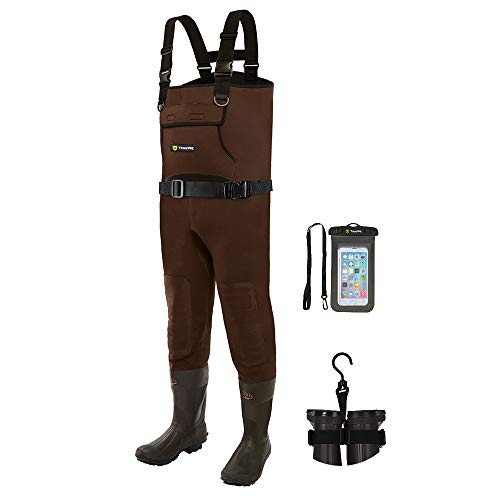
- 【Sturdy & Wear-resistant】3.5 mm neoprene upper with tough poly / jersey shell and stretch liner…
- 【100% Waterproof】Besides premium quality material guarantee, the TideWe waders also feature with…
- 【Adjustable & User-Friendly】Adjustable neoprene suspenders with and loop attachments allow you…
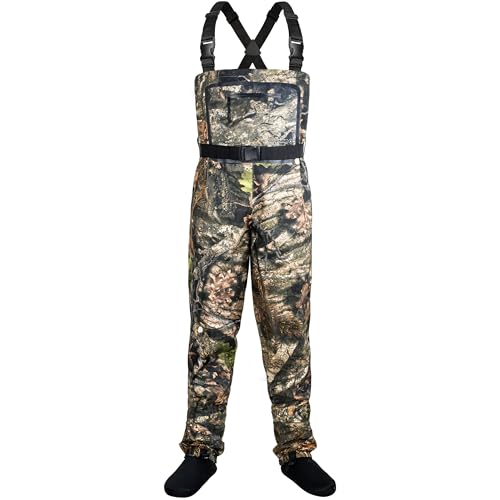
- Breathable / Lightweight
- Heavy Duty / Durable and High Quality
- Convenient / Front Water-proof Pocket
Last update on 2026-09-12 / Affiliate links / Images from Amazon Product Advertising API