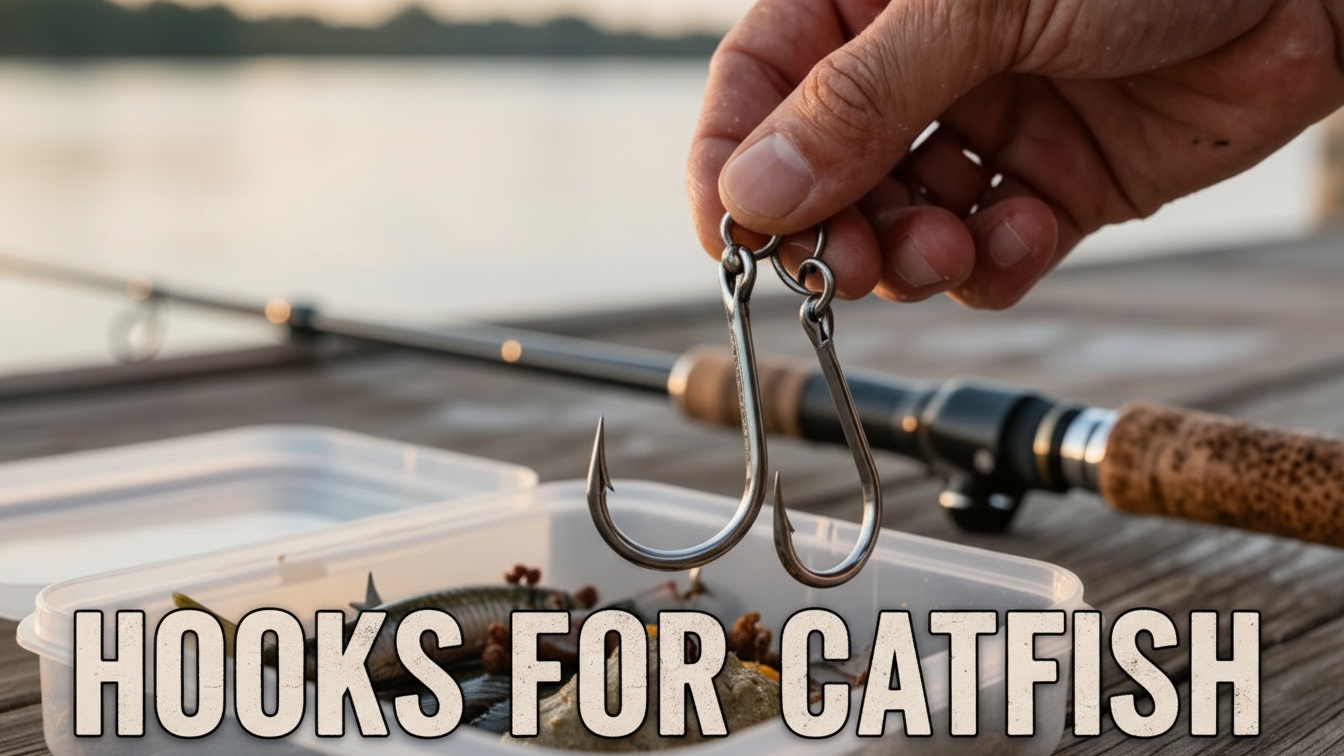
What Size Hooks for Catfish: Selection for Better Results
When choosing hooks for catfish, match the size to the species, fish weight, and bait. For channel cats, 5/0 to 6/0 hooks work well for smaller fish, stepping up to 7/0 for medium-sized ones.
Blue catfish need bigger hooks: 6/0 to 10/0, depending on size, with flatheads requiring even sturdier, larger hooks. Always balance hook size with bait to assure natural presentation and solid hook sets.
Using the right hook helps secure your catch and protects the fish’s mouth. Explore how proper hook types and techniques can further boost your success.
Key Takeaways
- Use 5/0 to 6/0 circle or Kahle hooks for channel catfish under 10 pounds to balance bait presentation and reduce gut hooking.
- For medium channel or blue catfish (10–20 lbs), step up to 6/0 to 7/0 hooks for stronger, more secure hook sets.
- Large blue catfish (20–50 lbs) require 8/0 to 9/0 hooks, while trophy-sized catfish may need 10/0 hooks for secure penetration.
- Flathead catfish need robust hooks starting at 7/0 for smaller fish and up to 10/0 or Triple Threat hooks for larger specimens.
- Match hook size to bait size, leaving about half the hook’s bite exposed for effective penetration and natural bait presentation.
How to Choose the Right Hook Size for Catfish?
When you’re picking a hook size for catfish, consider the fish’s weight and species first to guarantee a secure hook set. Start by matching the hook size to the expected fish size; smaller catfish under 10 pounds usually do well with 5/0 to 6/0 hooks.
Match hook size to fish weight; small catfish under 10 pounds thrive on 5/0 to 6/0 hooks.
While bigger fish need larger hooks, don’t hesitate to err on the side of bigger hooks. They provide better penetration and reduce the chance of the fish swallowing the hook.
Also, think about the bait size; bigger baits require bigger hooks to maintain proper hook exposure. Prioritize sharp, sturdy hooks over brand names, as durability matters when battling strong catfish.
For effective catfish fishing, pairing the right hook size with a strong drag system ensures you can handle the fish’s powerful runs without losing your catch.
Hook Sizes by Catfish Species and Weight
When you’re out there targeting channel catfish, you’ll want to grab some hooks in the 2/0 to 6/0 range. It really depends on the size of the fish you’re after.
Now, if you’re going for blue catfish, you might want to bump it up a notch. Those guys usually require slightly larger hooks, especially when they start weighing in over 15 pounds.
And then there’s the flathead catfish. They’ve got a reputation for having a strong bite and larger mouths, so you’ll need to start with hooks around 7/0. It’s all about matching your hook size to the species and weight of the fish you’re aiming for.
Trust me, doing this will ensure you get a solid hook set and improve your catch rates every time you hit the water. Also, consider using appropriate gear like neoprene waders for better durability and comfort when fishing in cold conditions.
Channel Catfish Hook Sizes
Although channel catfish vary in size, you’ll find that 2/0 to 3/0 Kahle hooks and 5/0 to 6/0 circle hooks cover most fishing situations effectively.
For smaller channel cats under 10 pounds, 5/0 to 6/0 hooks provide a reliable balance between hook size and bait presentation.
When targeting medium-sized fish around 10 to 20 pounds, stepping up to 6/0 or 7/0 hooks guarantees stronger hook sets and better retention.
Always match your hook size to the bait and the fish’s mouth size; smaller hooks risk swallowed hooks, while bigger hooks offer more secure hookups.
Using circle hooks in the 5/0 to 6/0 range is especially practical, as they reduce gut hooking and improve catch-and-release success. Stick to these sizes, and you’ll increase your channel catfish catch rate efficiently.
Additionally, pairing these hooks with the right line strength ensures optimal hook sets and reduces the chance of line breakage during the fight.
Blue Catfish Hook Guide
Channel catfish require specific hook sizes, but blue catfish demand a slightly different approach due to their size and strength. When targeting blue catfish, you’ll want to size your hooks carefully to match their weight and fighting power.
For smaller blue catfish (5-15 lbs), 6/0 circle hooks work best. They provide a solid hookset without overwhelming the fish.
When you move to medium to large blue catfish (20+ lbs), step up to at least 7/0 hooks. This will help handle their tougher mouths and stronger runs.
If you’re after trophy-sized blues, consider 8/0 to 10/0 hooks for secure penetration and reliability.
Choosing the right hook size guarantees you land more fish and avoid lost hookups in tough blue catfish battles. Using reels with high max drag ensures you can manage the powerful runs and fights typical of larger blue catfish.
Flathead Catfish Hook Choices
Targeting flathead catfish demands using robust hook sizes that match their powerful jaws and aggressive feeding habits. You’ll want to start with at least a 7/0 hook for live bait, scaling up as the fish size increases.
Using larger hooks guarantees a strong hold and reduces the chance of losing these fighters. Here’s a practical guide to hook sizes by flathead weight:
| Flathead Weight (lbs) | Recommended Hook Size |
|---|---|
| Under 10 | 7/0 |
| 10 – 20 | 8/0 |
| 20 – 50 | 9/0 |
| 50+ | 10/0 or Triple Threat |
| Trophy (50+ lbs) | 10/0 Triple Threat |
Match your hook size with bait and fish size for peak hook sets and lasting durability. Choosing the right handle length and net size also helps in landing large fish safely without injury.
Best Hook Types for Catfish Fishing
When it comes to choosing hooks for catfish, circle hooks really shine. They’re known for their reliable hook sets and are designed with the fish’s well-being in mind.
It’s a win-win!
Now, if you’re targeting channel cats or planning to use live bait, you might want to consider treble and Kahle hooks. They work like a charm in those specific situations.
Getting to know the strengths of each type is key. Once you do, you can easily match your hook choice to the fish and bait you’re using.
Using barbless hooks can also reduce injury and improve catch-and-release survival for catfish.
Circle Hooks Advantages
Circle hooks consistently prove to be one of the best choices for catfish fishing because they markedly improve your chances of a secure hook set while minimizing harm to the fish.
When you use circle hooks, you’ll notice they rarely get swallowed, reducing injury and making catch-and-release easier. Plus, their design naturally slides out of soft tissue, keeping the hook lodged in the corner of the catfish’s mouth for better retention.
Here are three key advantages:
- Improved Hook Sets: The curved shape guarantees the hook catches securely as the fish pulls away.
- Reduced Fish Mortality: Less gut hooking means healthier fish if you choose to release them.
- Better Bait Presentation: Circle hooks hold bait naturally, attracting more bites without spooking wary catfish.
Using circle hooks enhances both your catch rate and fish welfare. Additionally, pairing circle hooks with barbless hook designs further reduces injury and facilitates quick, safe hook removal during catch and release.
Treble And Kahle Hooks
While circle hooks offer great advantages, treble and Kahle hooks bring their own strengths to catfish fishing, especially when you want to increase your hookup chances or fish with specific bait types.
Treble hooks, typically sized #6 for channel cats and #4 for larger fish, provide multiple points, improving hookup rates when using cut bait or stink bait.
However, be cautious with smaller trebles, as they can lead to fish swallowing the hook. Kahle hooks are excellent for live or cut bait, with 4/0 suited for smaller catfish and 5/0 or larger for bigger fish.
Their wide gap and offset design help hold bait securely and improve penetration. When choosing between these, match hook size to bait and target species, erring on the larger side for better hook sets and retention.
Additionally, selecting hooks with appropriate corrosion-resistant materials ensures durability in harsh freshwater or saltwater environments.
Matching Hook Size to Your Bait Size
Since bait size directly influences hook effectiveness, you’ll want to match your hook size carefully to the bait you’re using.
Matching hook size to bait ensures natural presentation and effective hook sets when fishing.
Using the right hook size guarantees the bait sits naturally and the hook can penetrate effectively when a catfish bites. Here’s a simple guideline:
- Small baits (1-4 inches): Use 4/0 to 6/0 hooks, ideal for worms or nightcrawlers. This gives enough hook exposure without overwhelming the bait.
- Medium baits (4-8 inches): Choose 6/0 to 8/0 hooks, perfect for creek chubs or cut baits. This balances bait presentation and hook size.
- Large baits (over 8 inches): Opt for 8/0 to 10/0 hooks, necessary for live bluegills and shad to guarantee secure hook sets.
Always leave about half the hook’s bite exposed to maximize penetration and increase your catch rate. Proper hooking techniques and bait placement can enhance the natural action of your live bait, improving your chances of a successful catch.
Why Bigger Hooks Improve Hook Sets for Big Catfish?
When you’re targeting big catfish, using bigger hooks markedly improves your chances of a solid hook set.
Larger hooks provide a wider gap, ensuring they catch securely in the catfish’s mouth, especially with big baits. They also reduce the risk of the fish swallowing the hook deeply, which can lead to lost fish or injury.
Bigger hooks withstand the strength of heavy catfish better, preventing bend or breakage during the fight. Choosing the right hook size also involves considering the line strength to ensure the hook and rod work together effectively.
| Hook Size Range | Target Catfish Size |
|---|---|
| 8/0 to 9/0 | Large catfish 20-50 lbs |
| 10/0 | Trophy catfish 50+ lbs |
| 6/0 to 7/0 | Medium catfish 10-20 lbs |
Common Catfish Hook Size Mistakes to Avoid
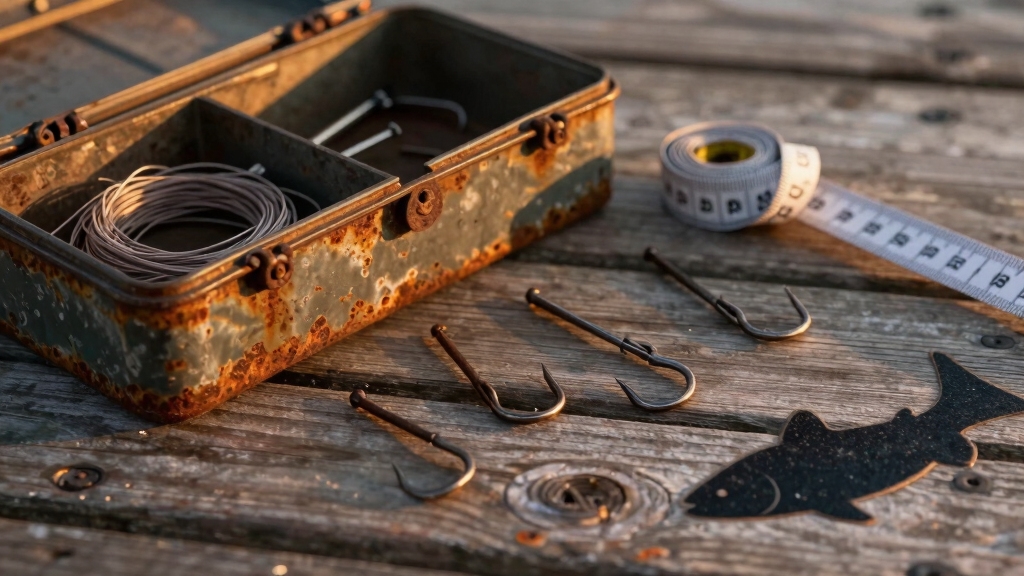
Choosing the wrong hook size can cost you fish, time, and frustration on the water. Avoid these common mistakes to improve your catfish success:
Picking the wrong hook size wastes fish, time, and patience—choose wisely for better catfish catches.
1. Using too small hooks for big fish
Small hooks can get swallowed, causing injury and lost catches. Match hook size to fish weight and bait size.
2. Going too large with small bait
Oversized hooks can reduce bait presentation and spook smaller catfish. Keep hook size proportional to bait.
3. Ignoring species differences
Flatheads need bigger hooks than channel cats. Don’t use a one-size-fits-all approach; consider species and their mouth structure.
Stick to these pointers, and you’ll save time and land more catfish with the right hook size every trip.
Tips for Secure Hook Sets and Hook Retention
Although selecting the right hook size is essential, securing a solid hook set and ensuring it stays put are equally important for landing catfish.
First, when you feel a bite, don’t yank immediately; give the fish time to take the bait fully. Then, set the hook firmly but smoothly, aiming to drive the point into the corner of the catfish’s mouth where it’s least likely to tear.
Circle hooks help here by hooking automatically when you reel in. Also, use sharp, durable hooks to improve penetration and retention.
Check your gear often; dull hooks or bent points reduce holding power. Finally, match your hook size to your bait and target fish size. Bigger hooks provide better grip on large catfish, reducing the chance of them throwing the hook during the fight.
Frequently Asked Questions
How Do Water Conditions Affect the Ideal Catfish Hook Size?
Water conditions impact your ideal catfish hook size because clearer water demands more subtle, smaller hooks to avoid spooking fish. In murkier water, you can use bigger, more visible hooks confidently.
In faster currents, larger hooks help secure strong fish better. Also, warmer water often means more active fish, so bigger hooks paired with larger baits can improve your catch rates.
Adjust your hook size based on visibility, flow, and fish behavior.
What Hook Materials Resist Rust Best for Catfish Fishing?
You’ll want hooks made from stainless steel or high-carbon steel coated with corrosion-resistant finishes like black nickel or tin for the best rust resistance.
Stainless steel shines in freshwater and saltwater alike, while coated high-carbon steel offers strength plus durability. Avoid plain steel hooks since they rust quickly, especially in humid or brackish water.
Investing in quality, rust-resistant materials keeps your hooks sharp and reliable for many catfish trips.
Can Hook Size Influence Catfish Catch Rates in Different Seasons?
Think of hook size as the key that opens the catfish’s appetite through changing seasons.
Yes, it influences catch rates—smaller hooks in cooler months when fish nibble cautiously, and larger hooks in warmer seasons when catfish grow bold and aggressive.
Matching hook size to bait and fish behavior guarantees you don’t miss bites. Adjust your gear seasonally, and you’ll reel in more catfish, turning every cast into a confident strike.
How Does Hook Shape Impact Catfish Mouth Injury?
Hook shape markedly affects catfish mouth injury. Circle hooks reduce damage by hooking the fish in the corner of the mouth, minimizing deep throat hooking and increasing survival rates.
Kahle hooks can cause more injury since they often snag inside the mouth or throat. Treble hooks, especially smaller sizes, increase the risk of deep hooking and injury.
You’ll want to choose hook shapes that prioritize fish safety without sacrificing your catch rate.
Are Barbless Hooks Effective for Catfish Catch and Release?
Barbless hooks are your best friends when practicing catch and release. They’re like gentle whispers instead of sharp shouts to catfish mouths. They reduce injury and make unhooking a breeze, increasing survival rates.
While you might worry about losing fish, using sharp, sturdy barbless hooks with proper technique keeps your catch secure. So, don’t hesitate; barbless hooks protect the fish and keep your conscience as clear as a calm river.
Choosing the Ideal Hook Type for Stronger, Cleaner Catches
Choosing the right hook size for catfish might seem tricky, but once you match it to your bait and target species, it gets easier. You might worry bigger hooks scare fish away, but they actually improve your chances by ensuring stronger hook sets, especially with big catfish.
Stick to the right size and type, avoid common mistakes, and you’ll catch more with less frustration. Trust your gear, and you’ll see the difference on the water.