Is Muskie Good to Eat? Tips for Safe and Delicious Cooking
You can enjoy muskie as a mild, firm whitefish with a sweet flavor. However, you should avoid eating it frequently due to mercury and PCB risks, especially if you’re a child or woman of childbearing age.
Cook the side fillets for the best texture and use gentle heat to preserve moisture. Proper handling and adherence to local advisories are vital for safety and sustainability. Exploring preparation methods and ecological impacts will help you make informed choices.
Key Takeaways
- Muskie has firm, mild-flavored white flesh with a delicate texture and mild, sweet taste, making it good for eating when cooked properly.
- Best to cook muskie side fillets, avoiding belly meat, skin, and bones for optimal flavor and texture.
- Moderate heat cooking methods like pan-searing or baking preserve muskie’s structure and prevent dryness or mushiness.
- Mercury accumulation is a concern; women of childbearing age and children should avoid muskie, while others should limit consumption.
- Sustainable harvesting practices and local advisories are essential due to muskie’s slow growth and vulnerability to overfishing.
Is It Safe To Eat Muskie From Certain Waters?
Although muskie is a sought-after game fish, you should exercise caution when deciding to eat it from certain waters due to the potential accumulation of mercury and PCBs in their tissues.
These contaminants bioaccumulate in predatory fish, posing health risks, especially to women of childbearing age and children under 15, who are advised to avoid consumption.
Men and older women should limit intake to one meal monthly and a maximum of six annually in areas like Green Bay.
Mercury concentrations increase up the food chain, making local advisories essential for safe consumption guidelines.
You must consult regional health advisories before eating muskie to mitigate exposure to these toxins, ensuring your choice aligns with recommended consumption limits for maintaining health safety.
Handling and environmental factors, including water temperature, can also impact fish health and toxin accumulation, underscoring the importance of informed consumption decisions.
Which Parts Of Muskie Should You Cook?
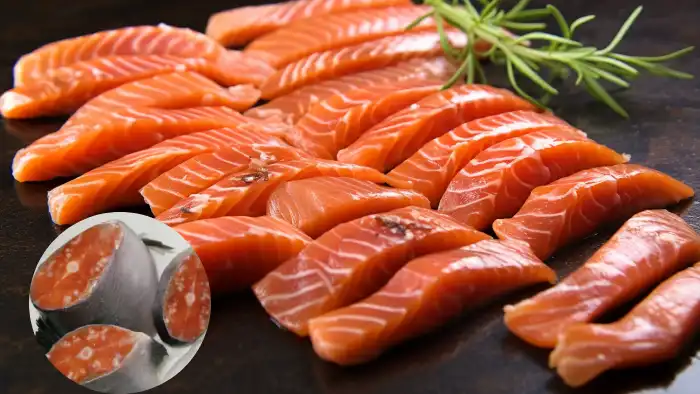
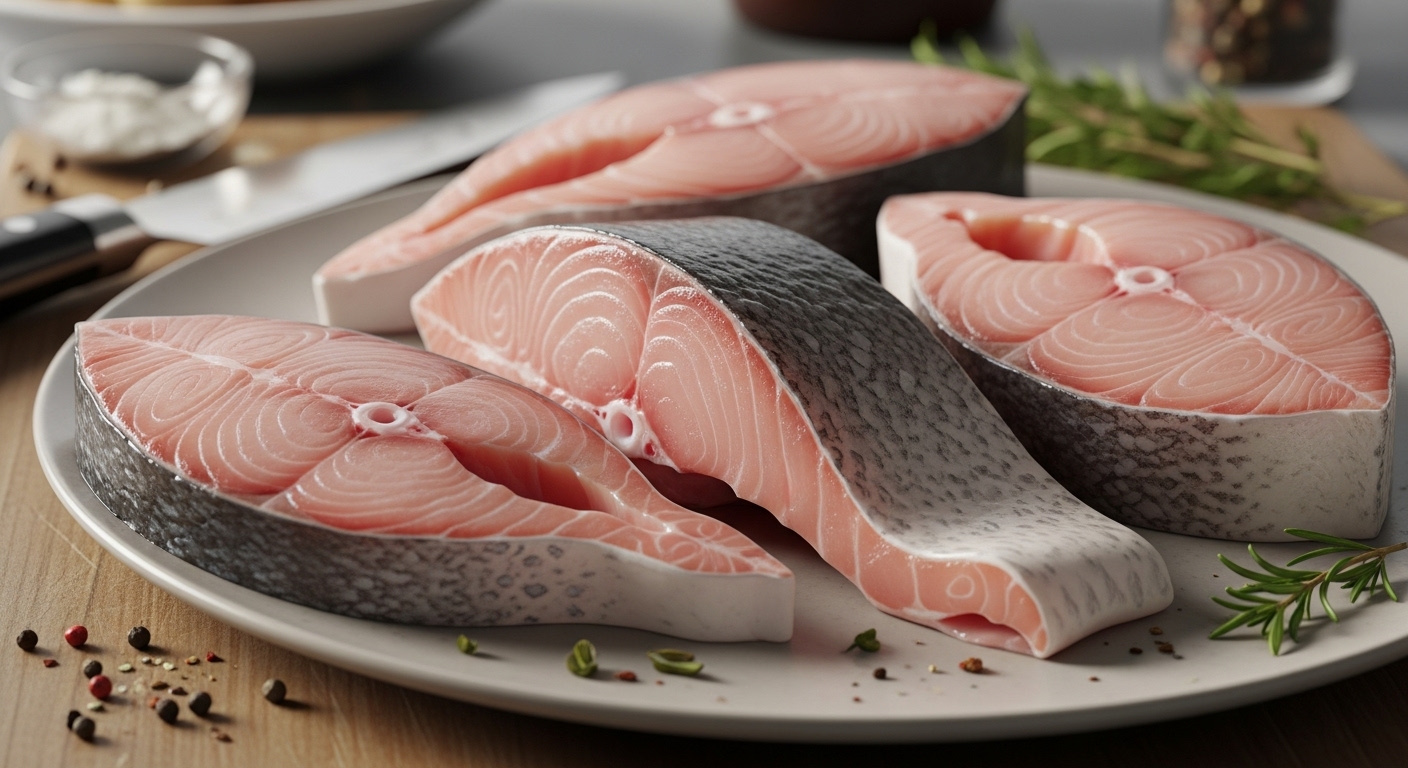
When preparing muskie for cooking, you should focus primarily on the fillets obtained from the sides of the fish. These areas contain the firm, mild-flavored white flesh prized for its delicate texture.
Focus on side fillets for firm, mild-flavored, and delicately textured muskie flesh.
This flesh flakes effortlessly when cooked properly, offering an excellent taste experience. Other parts, such as the belly and head, contain less desirable tissue with a different texture and flavor profile.
To optimize your cooking:
- Select the side fillets for their firmness and mild sweetness.
- Avoid the belly meat, which tends to be softer and oilier.
- Discard the skin and bones, as they don’t contribute to flavor and can detract from texture.
Focusing on these parts guarantees you utilize muskie’s best edible components scientifically and effectively. When handling the fish before cooking, it is important to support its body properly by cradling it horizontally with both hands to avoid damage, preserving the quality of the meat and ensuring safe fish handling.
How Do You Prepare And Cook Muskie For The Best Flavor?
To bring out the muskie’s mild sweetness and firm texture, you should handle and cook the fillets with care to preserve their delicate flakiness.
Begin by gently removing skin and pin bones to avoid tough or bitter bites.
Pat the fillets dry to reduce moisture, which helps achieve a crisp surface when cooking.
Use moderate heat methods such as pan-searing, baking, or broiling to maintain structural integrity without overcooking.
Avoid prolonged exposure to high heat, which causes excessive flaking and dryness.
Light seasoning with salt, pepper, and subtle herbs complements the mild flavor without overpowering it.
Proper preparation guarantees the muskie’s unique texture and taste are highlighted, producing a refined culinary experience suitable for those preferring mild, non-fishy fish.
For best results, ensure your cooking tools and surfaces are properly prepared and maintained to prevent sticking or damage during cooking, much like the care taken in maintaining wading boots for optimal performance.
What Does Muskie Taste Like Compared To Other Fish?
If you compare muskie to other freshwater fish, you’ll notice its firm white flesh has a mild, sweet flavor that sets it apart.
Muskie’s firm white flesh offers a mild, sweet flavor that distinguishes it from other freshwater fish.
Unlike northern pike, which can have a stronger, gamier taste, muskie offers a less fishy experience.
It shares some flavor similarities with walleye but provides a firmer texture and more delicate sweetness.
When cooked correctly, muskie flakes easily without becoming mushy.
To appreciate muskie’s taste fully, consider:
- Texture: Firm white tissue that flakes effortlessly when cooked.
- Flavor: Mild sweetness with minimal fishiness, appealing to sensitive palates.
- Comparison: Less intense than northern pike, slightly sweeter than walleye.
This profile makes muskie a desirable choice for those seeking mild freshwater fish flavors. Additionally, understanding the feeding behavior and diet of freshwater species can enhance your appreciation of muskie’s culinary qualities.
What Are The Sustainability Tips For Eating Muskie?
Sustainable consumption of muskie requires awareness of its slow growth and low reproduction rates, which make populations vulnerable to overfishing.
To protect muskie stocks, you should adhere to local regulations, including size limits and seasonal restrictions.
Prioritize catch-and-release practices, especially for large breeding females, to maintain reproductive capacity.
Limit your harvest frequency, as health advisories recommend restricted consumption due to mercury accumulation, particularly for sensitive groups.
Consult updated angling advisories to guarantee compliance with regional management strategies.
Additionally, avoid targeting muskie during spawning seasons to reduce population stress.
Employ bioenergetics models and scientific data when available to understand population impacts from fishing.
Using proper catch and release techniques can significantly reduce fish mortality and help sustain muskie populations over time.
Frequently Asked Questions
What Is the Typical Diet of a Muskie in the Wild?
You’ll find that a muskie’s typical diet in the wild includes a diverse range of prey, such as fish, frogs, birds, muskrats, crayfish, and insects.
They primarily consume yellow perch, white suckers, and aquatic invertebrates. The diet shifts depending on prey availability; for instance, ciscoes can make up to 50% of their diet in certain lakes, while crayfish and bullheads dominate in others, especially where cisco populations are low.
How Much Food Does an Average Muskie Consume Annually?
You might find it surprising that a large female muskie consumes about 48 pounds of food annually.
On average, female muskies eat more than males, who consume around 33 pounds each year.
This intake reflects their position as apex predators, feeding on various prey like yellow perch and crayfish.
Their stomachs can hold up to 25 items, showing a diverse diet essential for growth and survival in their ecosystems.
What Contaminants Commonly Accumulate in Muskie Flesh?
You’ll find mercury and PCBs are the primary contaminants accumulating in muskie flesh, as these fish sit atop the aquatic food web.
Because muskies are predators, they bioaccumulate these toxins over time, posing health risks.
If you’re in sensitive groups like women of childbearing age or children under 15, you should avoid eating them.
Always check local advisories to understand safe consumption limits for muskies in your area.
How Does Muskie Size Affect Its Prey Selection?
Think of a growing muskie as a gourmet expanding its menu. As you size up a muskie, you’ll notice it shifts prey preferences.
Larger individuals favor bigger meals, causing prey occurrence to dwindle. Small muskies consume a diverse array, but as they grow, they target fewer, larger prey items like yellow perch and catostomids.
This selective feeding reflects their energy needs and hunting efficiency. It influences aquatic food web dynamics with size-dependent predation.
What Are the Population-Level Food Consumption Rates of Muskies?
You’ll find that muskies consume about 6,000 to 7,000 pounds of food annually per lake at the population level.
Large females eat approximately 48 pounds each year, while males consume around 33 pounds.
Their stomachs can hold up to 25 items, with yellow perch and catostomids making up significant portions.
As muskie size increases, their prey variety and occurrence tend to decrease, reflecting dietary shifts with growth.
Choose the Best Parts for Flavor
When deciding if muskie is good to eat, you’ll want to take into account water quality and avoid certain parts like the liver.
Proper preparation, such as careful filleting and cooking methods, brings out its subtle flavor, which is milder than other freshwater fish.
Remember, handling muskie responsibly supports sustainability, so you’re not just cooking a meal but also keeping the ecosystem healthy. In this case, you’ll want to strike while the iron’s hot to enjoy muskie at its best.