Is Pompano Fish Good to Eat: Taste, Nutrition & Cooking Tips
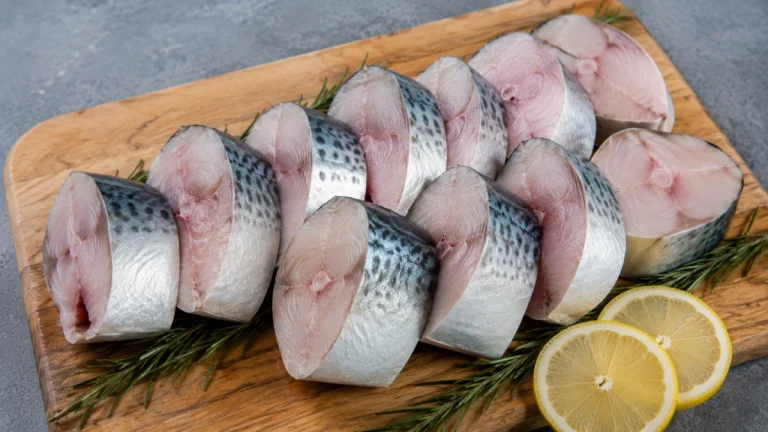
If you’re wondering whether pompano fish is good to eat, it offers a mild, buttery flavor with finely flaked, tender flesh and no strong fishy taste.
Its moderate fat content provides delicate sweetness and about 0.6 grams of omega-3 fatty acids per serving.
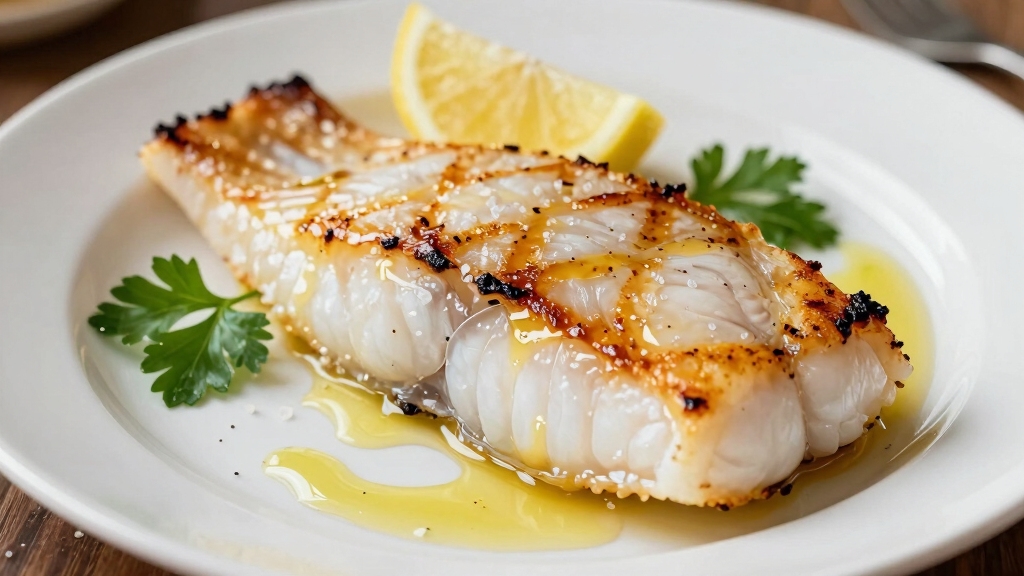
Cooking methods like broiling or baking preserve its pearly white texture and flavor.
Pompano’s nutritional benefits and sustainable harvest practices make it an excellent seafood choice you’ll want to explore further.
Key Takeaways
- Pompano has a mild, buttery flavor with delicate sweetness and no strong fishy taste.
- Its firm, tender, pearly white flesh offers a clean, refined flavor similar to mahi mahi.
- Best cooked using gentle methods like broiling, baking, or grilling to preserve moisture and flavor.
- It provides healthy omega-3s, high-quality protein, and essential vitamins A and D.
- Fresh pompano is sustainably harvested, especially from Florida’s coast, ensuring excellent quality and environmental responsibility.
What Does Pompano Fish Taste Like?
Many seafood enthusiasts consider pompano fish among the most palatable fish available due to its mild, buttery flavor that lacks an overpowering fishiness.
Pompano is prized for its mild, buttery flavor free from strong fishy notes.
When you taste pompano, you’ll notice a delicate sweetness and a subtle richness, attributed to its moderate fat content.
The flesh is succulent and finely flaked, offering a texture that’s firm yet tender, comparable to mahi mahi or snapper.
This fish’s flavor profile is clean and refined, making it versatile for various culinary uses.
Its moderately fatty composition enhances mouthfeel without overwhelming the palate, while the pearly white flesh indicates freshness and quality.
Similar to mangrove snapper, pompano’s balanced moisture contributes to its succulent texture and satisfying bite.
How to Cook Pompano for the Best Flavor?
The mild, buttery flavor and delicate texture of pompano make it highly adaptable to various cooking techniques that enhance its natural qualities. To preserve its fine flake and succulence, use gentle, even heat methods like broiling, baking, or grilling.
When grilling whole, gut and slash the skin to ensure uniform cooking and prevent curling. Baking with a coating of butter or olive oil seals in moisture and intensifies flavor, while broiling with lemon adds brightness without overpowering the fish’s natural sweetness.
Avoid excessive cooking time to maintain its pearly white flesh and moderate fat content. Cooking en papillote or steaming also retains moisture and nutrients, supporting the fish’s tender texture and subtle, sweet flavor profile for prime taste. Additionally, using gentle cooking methods helps preserve the fish’s valuable omega-3 fatty acids and maintains its nutritional benefits.
Where and When to Find Fresh Pompano?
You can find fresh pompano primarily along the coastal waters from Virginia to Texas, with the highest quality catches coming from Florida’s west coast. This species thrives in warm, shallow waters, favoring sandy bottoms nearshore and inlets.
Commercial landings occur mainly from the Carolinas down to the Gulf of Mexico, where dayboat fisheries guarantee swift delivery to markets, preserving freshness. The main harvest season spans October through May, coinciding with prime water temperatures that enhance fish condition.
While pompano exist worldwide in warm seas, Florida pompano are renowned for superior taste and texture. Because commercial catches are limited, prices stay relatively high.
To maximize freshness, look for fish caught locally during the peak season, as rapid landing times reduce spoilage and maintain quality. Additionally, fishing during periods of stable barometric pressure helps ensure active, healthy fish that contribute to better catch quality.
Nutritional Benefits of Pompano Fish
Several key nutrients in pompano fish contribute to its reputation as a healthful choice.
You’ll find that it contains about 0.6 grams of omega-3 fatty acids per serving, which support cardiovascular health by reducing inflammation and improving cholesterol levels.
Pompano is also a rich source of high-quality protein, essential for muscle maintenance and repair.
Additionally, it provides vitamins A and D, which play critical roles in vision health and immune system function.
The moderate fat content balances energy provision without excessive calories.
Its pearly white flesh offers these nutrients in a readily digestible form, making it suitable for various dietary needs.
It also contains important minerals such as selenium and phosphorus that contribute to antioxidant protection and bone strength.
Why Choose Pompano for Sustainable Seafood?
Many fisheries target pompano due to its high commercial value and rapid freshness upon landing, which supports sustainable practices.
You’ll find that pompano’s limited commercial landings and dayboat fishery methods reduce overfishing risks, maintaining healthy populations.
Harvested mainly from Florida to Louisiana, these fisheries emphasize quick, local catch-to-market times, preserving quality and minimizing environmental impact.
Choosing pompano means supporting responsible seafood; its moderate fat content and omega-3 profile promote health while sustainable harvesting safeguards ecosystems.
Additionally, the species’ fast growth and reproductive rates help stabilize stocks, making it a viable long-term food source.
When you select pompano, you contribute to fisheries that balance economic value with ecological responsibility, aligning your dietary choices with sustainable seafood consumption goals.
Pompano’s preference for oxygen-rich currents similar to those favored by other successful species supports their healthy populations in coastal environments.
Frequently Asked Questions
Can Pompano Fish Be Eaten Raw or Used in Sushi?
You can eat pompano fish raw or use it in sushi, but you should make certain it’s sushi-grade to minimize health risks.
Its mild, buttery flavor and fine flake make it suitable for raw preparations.
However, because pompano is typically caught fresh and has moderate fat content, proper handling, freezing, and freshness checks are essential to prevent parasites.
Always source from reputable suppliers who follow seafood safety guidelines for raw consumption.
How Should You Store Pompano Fish Before Cooking?
Think of pompano fish as a delicate treasure chest holding precious nutrients.
You should store it on ice or in the coldest part of your refrigerator at 32°F (0°C) to slow bacterial growth and maintain freshness.
Keep it wrapped airtight in moisture-proof paper or plastic wrap to prevent oxidation and odor absorption.
Use it within one to two days for peak quality, preserving its firm texture and mild, buttery flavor before cooking.
Are There Any Common Allergens Associated With Pompano Fish?
Yes, pompano fish contains common seafood allergens, primarily fish proteins like parvalbumin.
These proteins can trigger allergic reactions in sensitive individuals.
If you have a known fish allergy, you should avoid pompano to prevent symptoms such as hives, swelling, or anaphylaxis.
Cross-reactivity with other fish species is possible, so exercise caution.
Always consult with an allergist before trying new seafood.
Make certain of proper labeling and handling to avoid contamination.
What Is the Best Way to Clean and Gut a Pompano?
Imagine opening a treasure chest of delicate flavor.
Start by rinsing the pompano under cold water.
Lay it flat, then slit from the anus to the gills with a sharp fillet knife. Remove the entrails carefully, avoiding puncturing the gallbladder to prevent bitterness.
Rinse the cavity thoroughly, scraping out bloodline tissue.
You can leave the silvery skin intact; it’s edible and helps retain moisture during cooking.
Can Children Safely Eat Pompano Fish Regularly?
Yes, children can safely eat pompano fish regularly, as it provides high-quality protein and beneficial omega-3 fatty acids essential for growth and brain development.
Make sure the fish is cooked thoroughly to reduce any risk of foodborne illness.
Due to moderate fat content and vitamins A and D, it supports immune and vision health.
However, vary their diet with other seafood to minimize potential contaminant exposure and promote balanced nutrition.
Enjoy the Mild, Buttery Taste of Fresh Pompano
If you want a fish that’s both delicious and nutritious, pompano is the way to go. Its mild, buttery flavor pairs well with numerous cooking methods, making it a versatile choice.
You’ll find it freshest during warmer months along coastal areas. Plus, its high omega-3 content supports heart health.
Choosing pompano also means you’re playing it safe with sustainable seafood, helping protect marine ecosystems. In short, it’s a win-win on all fronts.