Tampa Bay Fish Types: Seasonal Fishing Species Explained
In Tampa Bay, you’ll target key game fish like snook, ambush predators thriving near mangroves and docks in warm months. Copper-toned redfish are scattered year-round along grass flats and oyster bars.
Tarpon, known as the “Silver King,” run strong from April to July near bridges and keys. Spotted seatrout dominate grass flats from March through October, while Spanish mackerel and cobia patrol passes and open waters.
Using live shrimp, threadfin herring, and strategic lures near structures maximizes success. Explore further to master seasonal hotspots and precise tactics.
Key Takeaways
- Tampa Bay hosts popular game fish like snook, redfish, tarpon, and spotted seatrout, each with distinct habitats and seasonal activity.
- Snook prefer mangrove shorelines, tidal creeks, and docks, thriving in warm months from spring through fall.
- Redfish are found year-round in shallow waters, grass flats, oyster bars, and estuaries, with increased activity in cooler months.
- Tarpon migrate through Tampa Bay primarily from April to July, favoring bridges, keys, and beaches for feeding.
- Bottom species like flounder, sheepshead, and mangrove snapper inhabit oyster beds, sandy bottoms, and pilings around the bay.
Top Game Fish Species in Tampa Bay
Among the diverse fish species in Tampa Bay, several stand out as the top game fish sought by anglers for their size, strength, and fight. You’ll target snook for their power and preference for mangrove shorelines and grass flats, especially during warmer months.
Redfish, recognized by their copper hue and tail spot, thrive year-round in shallow waters and oyster bars. Tarpon, known as the Silver King, offer intense battles during spring and early summer, often near bridges and keys.
Spotted seatrout, abundant and aggressive, frequent grassy flats and sandy bottoms from spring through fall. Each species demands specific bait—live shrimp, sardines, or artificial lures—and distinct techniques to exploit their structural habitats and feeding behaviors effectively in Tampa Bay’s varied environments. Additionally, anglers targeting stingrays should focus on soft-bottom areas like sandy beaches and estuaries where these rays commonly feed.
Where to Find Snook in Tampa Bay?
Snook target specific environments within Tampa Bay, favoring shallow waters that offer both shelter and feeding opportunities. You’ll primarily find them along mangrove shorelines, where dense root systems provide cover and ambush points.
Bridges and docks create shadowed areas snook use to hunt baitfish. Grass flats scattered throughout the bay also serve as prime locations due to abundant prey and protective vegetation.
During warmer months, especially spring through fall, snook activity intensifies, increasing your chances of success. Focus on tidal creeks and inlets where water movement concentrates forage species.
Using live bait or artificial lures near these structures enhances your effectiveness. By concentrating efforts on these habitats, you’ll maximize encounters with this powerful, elusive game fish in Tampa Bay’s dynamic shallow water zones. For anglers trolling in these areas, employing 360-degree rotation rod holders can significantly improve rod positioning and stability during fishing.
How to Spot Redfish and Where They Hang Out?
You’ll frequently spot redfish cruising shallow waters and expansive grass flats throughout Tampa Bay. Their distinctive copper coloring and the unmistakable black spot near the tail make identification straightforward.
These fish favor habitats such as oyster bars, mangrove-lined shorelines, residential docks, and estuarine areas like the Little Manatee River and Bishop Harbor. When targeting redfish, focus on zones with structure that offers both shelter and feeding opportunities.
Look for slow-moving or resting fish near submerged vegetation or oyster clusters. Male bull reds, which can weigh up to 40 pounds, often patrol these regions. Using live shrimp, scaled sardines, jigs, or soft plastics increases your chances of success in these environments.
Staying observant and recognizing these habitat patterns will help you consistently locate redfish in Tampa Bay. Additionally, redfish are valued not only for sport but also for their high omega-3 content, which supports cardiovascular and cognitive health.
Tarpon Fishing Seasons and Locations
While redfish dominate the shallow grass flats and mangrove-lined shores, anglers seeking a different challenge often target the powerful tarpon during their seasonal migrations.
You’ll find tarpon most active from April through July, with May to July as the prime months. They congregate near the Sunshine Skyway Bridge, Egmont Key, shipping channel edges, and beaches from St. Petersburg to Anna Maria Island.
Though present year-round, tarpon feed aggressively in warmer months, preying on crabs, threadfin herring, sardines, and shrimp.
| Season | Location |
|---|---|
| April | Sunshine Skyway Bridge |
| May | Egmont Key |
| June | Shipping Channel Edges |
| July | Beaches (St. Pete to Anna Maria) |
| Year-round | Tampa Bay (lower activity) |
Best Spots and Seasons for Spotted Seatrout
Frequently found throughout Tampa Bay and along its beaches, spotted seatrout thrive in grassy areas where you can target them year-round.
The prime season runs from March to October, with early spring providing excellent fishing conditions.
You’ll want to focus on shallow grass flats, oyster bars, and sandy bottoms, as these habitats support abundant prey like live shrimp and small baitfish.
Key spots and seasonal notes include:
- Grass flats throughout Tampa Bay, offering consistent cover and food sources
- Oyster bars providing structure and ambush points for feeding trout
- Sandy bottoms near inlets and passes, especially productive in spring
- Early spring months (March to May) yielding higher catch rates due to spawning activity
Target these areas with live shrimp or artificial lures for best results.
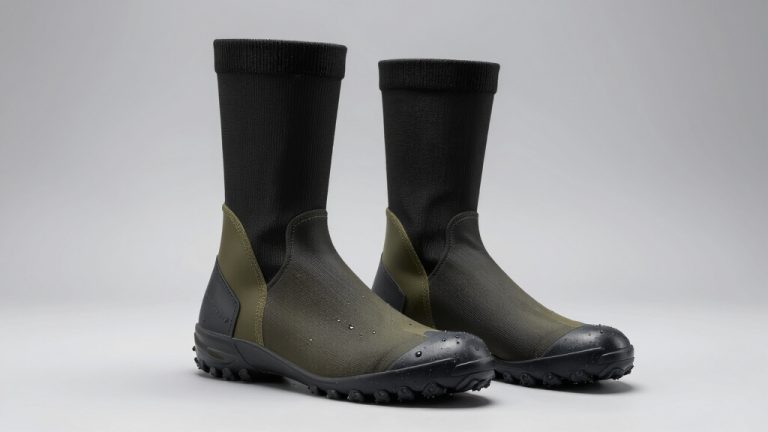
For wading anglers in these saltwater flats, choosing boots with superior traction and quick-drain features is essential for safety and comfort.
Bottom-Dwelling Fish Species in Tampa Bay
In Tampa Bay, you’ll come across some fascinating bottom-dwelling fish species like flounder, sheepshead, black drum, pompano, and Gulf flounder. These fish thrive in the sandy and muddy substrates of the bay, making them a popular target for anglers.
If you’re looking to up your catch rate, focus on specific areas. Places like oyster beds, pilings, deeper channels, and sandy passes near Fort De Soto and Pinellas Point are particularly promising.
Timing is also crucial. Early mornings or late afternoons are the best times to head out, especially around structured habitats. Trust me, that’s when you’re most likely to reel in a good haul!
Using spinner and blade lures with flashing blades can be especially effective in attracting bottom-dwelling fish in these environments.
Common Bottom-Dwelling Species
Bottom-dwelling species in Tampa Bay exhibit specialized adaptations that allow them to thrive on sandy, muddy, and structural habitats. You’ll find these fish expertly camouflaged or utilizing structures for shelter and feeding.
Their behavior and morphology suit the bay’s diverse bottom types, from oyster beds to deep channels.
Key bottom-dwelling species to target include:
Flounder: Flat-bodied ambush predators blending into sandy or muddy substrates. They’re active during low-light periods.
Sheepshead: Identified by vertical black and white stripes, they frequent oyster beds and pilings.
Black Drum: Large bottom-feeders inhabiting deeper channels and bridge areas. They forage primarily on crustaceans.
Pompano: Swift swimmers preferring sandy passes, with seasonal presence peaking in spring and fall near shorelines.
Understanding these species’ habitat preferences helps you optimize your fishing tactics. Bay boats with their shallow draft and raised casting decks are especially suited for targeting these bottom-dwelling species in Tampa Bay’s shallow waters.
Best Fishing Locations
When targeting bottom-dwelling species in Tampa Bay, focusing on habitats with varied substrates and structural complexity will increase your chances of success.
Concentrate on sandy or muddy bottoms for flounder and Gulf flounder, particularly during early morning or late afternoon.
Sheepshead congregate around oyster beds and pilings, so drop your bait near these structures.
Black drum frequent deeper channels and bridge pilings, making those locations prime spots.
For pompano, target sandy passes and beach areas near Fort De Soto and Pinellas Point during spring and fall.
Utilize live shrimp, scaled sardines, or jigs for effective presentations.
Understanding fish behavior and habitat preferences can significantly enhance your bottom-fishing strategy.
Open Water Fish Like Spanish Mackerel and Cobia in Tampa Bay
Targeting open water species like Spanish Mackerel and Cobia in Tampa Bay demands an understanding of their seasonal patterns and preferred habitats.
Successfully fishing Tampa Bay’s open waters means knowing when and where species like Spanish Mackerel and Cobia gather.
You’ll find Spanish Mackerel schooling near passes and channels, especially around the Skyway Bridge, Egmont Key, and St. Petersburg shoreline.
They strike best on light tackle using small spoons, jigs, or plugs during April to October.
Cobia, larger and powerful, frequent open waters near buoys and markers from March to October.
Spanish Mackerel are fast swimmers, often in schools, and can be caught trolling or casting artificial lures.
Cobia can weigh up to 100 pounds, are attracted to floating structures, and require heavy tackle.
Key locations include the Skyway Bridge, Egmont Key, and St. Petersburg shoreline.
Preferred tackle is light for mackerel and heavier for cobia to handle their strength and fight.
Understanding the importance of floating debris as habitat can improve targeting strategies for species like cobia.
Seasonal Fishing Patterns and Peak Seasons in Tampa Bay
In Tampa Bay, you’ll notice that many fish species really come alive during the warmer months. It’s interesting how the peak seasons can differ depending on the type of fish you’re after. For example, if you’re looking to catch snook or tarpon, spring through summer is when they’re most active.
On the other hand, if spotted seatrout is your target, you’ll want to fish from March all the way to October. Getting a grasp on these seasonal patterns can really help you plan your fishing trips. That way, you’ll be out there at the right time, boosting your chances for a successful catch! Cooler water temperatures during dawn and dusk stimulate feeding in many species, making these peak feeding times ideal for fishing.
Peak Seasons By Species
Fishing success in Tampa Bay largely depends on understanding the peak seasons of each species, as they exhibit distinct seasonal activity patterns. Knowing when specific fish are most active optimizes your catch rates and enhances your fishing strategy.
For example, tarpon peak from April to July, making late spring prime for targeting these giants. Snook thrive from spring through fall, focusing near mangroves and bridges. Spotted seatrout offer excellent early spring to fall opportunities, especially around grass flats. Redfish maintain consistent presence year-round but show increased activity in cooler months.
- Tarpon: peak migration April to July, best May to July
- Snook: active spring through fall, favoring shallow waters
- Spotted seatrout: best March to October, early spring prime
- Redfish: year-round presence, heightened cooler season activity
For anglers interested in expanding their range, the Gulf of Mexico near offshore oil rigs and deepwater canyons provides year-round yellowfin tuna hotspots that offer exciting opportunities beyond Tampa Bay species.
Warm Month Activity
During the warm months in Tampa Bay, many fish species exhibit heightened activity, concentrating near specific habitats that provide ideal feeding and shelter conditions.
You’ll find snook actively patrolling mangrove shorelines and grass flats, especially from spring through fall.
Tarpon migrate in large numbers from April to July, feeding aggressively near bridge structures and channel edges.
Redfish remain accessible year-round but show increased presence around oyster bars and mangrove-lined shores during warmer periods.
Spotted seatrout thrive in grassy flats and oyster bars, peaking from March to October.
Bottom-dwellers like flounder and black drum favor sandy or muddy substrates but become more active during early mornings and late afternoons.
Understanding these seasonal patterns helps you target species precisely, optimizing your fishing success during Tampa Bay’s warm months.
Best Baits and Lures for Tampa Bay Species
Mastering the right baits and lures is essential to target Tampa Bay’s diverse fish species effectively. You’ll need to match your offerings to each species’ feeding habits and preferred habitats.
Live baitfish like threadfin herring work well for tarpon and snook. Live shrimp or scaled sardines attract redfish and spotted seatrout. Artificial lures should mimic natural prey with appropriate size and action.
Soft plastic shrimp imitations excel around grass flats for speckled trout and redfish. Jigs with weed guards help target bottom-dwelling species like sheepshead near oyster beds.
Small spoons and plugs effectively trigger strikes from Spanish mackerel in open waters. Large swimbaits or live crabs provoke strikes from tarpon around bridge pilings.
Choosing these baits and lures enhances your precision and success on Tampa Bay waters.
Fishing Tips and Techniques for Tampa Bay Structures
Targeting Tampa Bay’s diverse fish species requires precise techniques tailored to the unique structures they inhabit.
When fishing mangrove shorelines or oyster bars, use live shrimp or scaled sardines with a slow, steady retrieve to entice snook and redfish hiding in cover.
Near bridges and pilings, focus on vertical jigging with soft plastics or jigs to trigger strikes from sheepshead and mangrove snapper.
For grass flats, cast lightweight spoons or shrimp imitations to mimic natural prey, targeting spotted seatrout and redfish.
In deeper channels, deploy bottom rigs with cut bait to attract black drum and flounder.
Around artificial reefs or buoys, trolling small plugs or spoons on light tackle works well for Spanish mackerel and cobia.
Adjust your presentation speed and depth depending on water clarity and current for optimal outcomes.
Frequently Asked Questions
What Fishing Licenses Are Required for Tampa Bay Anglers?
It’s no coincidence that you’ll need a Florida saltwater fishing license to fish Tampa Bay legally.
Whether you’re casting from shore or a boat, you must have this license, available for residents and non-residents alike.
If you’re under 16, you’re exempt.
Additionally, a federal permit is required if you’re targeting species like snook or redfish in federal waters.
Make sure to check specific regulations before you cast your line.
Are There Catch Limits for Tampa Bay Fish Species?
Yes, you must follow catch limits for Tampa Bay fish species to comply with regulations. These limits vary by species, size, and season.
For example, snook and redfish have specific daily bag limits and size restrictions to protect spawning populations.
Tarpon catch-and-release rules apply, while spotted seatrout have precise size and daily limits.
Check the latest Florida Fish and Wildlife Conservation Commission guidelines before fishing to ensure you stay within legal limits and help conserve fish stocks.
What Are the Best Times of Day to Fish in Tampa Bay?
You’ll find early morning and late afternoon offer the best fishing conditions in Tampa Bay due to ideal light and temperature changes stimulating fish activity.
For instance, flounder are most catchable during these times when they’re actively feeding on sandy or muddy bottoms.
Targeting these hours maximizes your chances as fish move closer to shore and structures to hunt.
This behavior capitalizes on lower light levels and cooler water temperatures that trigger feeding.
How Does Water Temperature Affect Fish Behavior in Tampa Bay?
Water temperature directly influences fish metabolism and activity levels.
Warmer temperatures increase their feeding and movement, while cooler water slows them down.
You’ll notice peak fish activity in Tampa Bay during spring through fall when temperatures rise.
Conversely, in colder months, fish tend to seek deeper, warmer waters or become less active.
Are There Conservation Efforts for Tampa Bay Fish Populations?
Of course, you can just ignore conservation efforts and watch fish populations vanish if you like extinction theater.
But seriously, agencies enforce catch limits, seasonal closures, and habitat restoration to protect Tampa Bay’s fish. They monitor water quality, regulate fishing gear, and promote sustainable practices.
You’ll find programs targeting key species’ spawning grounds and mangrove preservation, ensuring fish stocks remain robust and ecosystems balanced for generations to come.
Discover the Best Fishing Spots in Tampa Bay
Fishing Tampa Bay is like steering a well-charted map, where knowing the right spots, seasons, and techniques sharpens your success.
By targeting snook, redfish, tarpon, and spotted seatrout at their prime locations and times, you’ll maximize your catch efficiency.
Using specialized baits and understanding seasonal patterns further refines your approach.
With precise knowledge and preparation, Tampa Bay’s diverse fish species become not just targets but rewarding achievements on your fishing journey.