What’s the Difference Between a Halibut and a Flounder
You can tell halibut and flounder apart by size, eye placement, habitat, and texture.
Halibut grow much larger, up to 8 feet and 400+ pounds, with eyes on the right side. They inhabit deep, cold waters.
Flounder are smaller, usually left-eyed, and live in shallower coastal zones.
Halibut has firm, lean flesh, while flounder offers delicate, slightly fattier fillets.
Their nutritional profiles and culinary uses differ too.
Explore these distinctions to choose the fish that suits your needs best.
Key Takeaways
- Halibut are much larger, reaching up to 8 feet and 400+ pounds, while flounder typically grow 2-3 feet and weigh up to 30 pounds.
- Halibut have both eyes on the right side; flounder usually have eyes on the left side, with more variability in eye placement.
- Halibut live in deep offshore waters (600-1,200 feet), whereas flounder inhabit shallower coastal zones (5-100 feet), often burying in sandy or muddy seabeds.
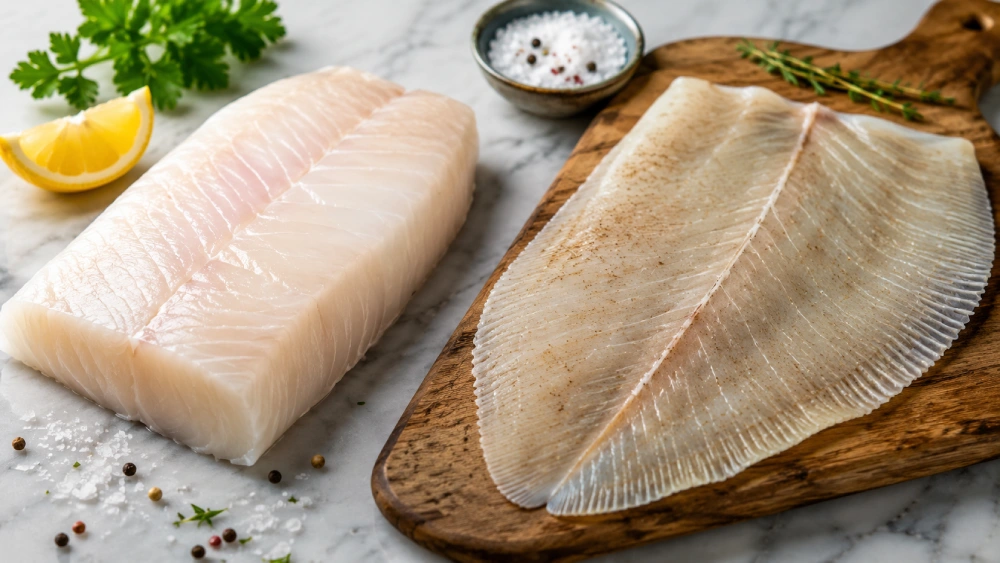
- Halibut has firm, dense flesh with a meaty texture, while flounder offers delicate, flaky fillets with slightly higher fat content.
- Halibut is pricier due to size and fishing depth, provides higher protein and leaner meat; flounder is more affordable with more fat and a mild taste.
Identifying Halibut vs. Flounder By Size and Shape
When identifying halibut versus flounder by size and shape, you’ll immediately notice the stark contrast in their dimensions and body forms.
Noticing the clear differences in size and shape helps quickly distinguish halibut from flounder.
Halibut can grow up to 8 feet long and weigh several hundred pounds, often surpassing 400 pounds. This makes it 10 to 20 times larger than an average flounder.
Flounder typically reaches 2 to 3 feet and weighs between 1 and 20 pounds, rarely exceeding 30 pounds.
The halibut’s body has a broad, elongated diamond shape with pointed dorsal and anal fins.
In contrast, the flounder exhibits a rounder, smoother outline with smaller, uniform fins.
Additionally, halibut presents a distinct forked tail compared to the flounder’s rounded tail.
Its body appears more robust and asymmetrical in patterns, unlike the symmetrical, defined patterns of the flounder.
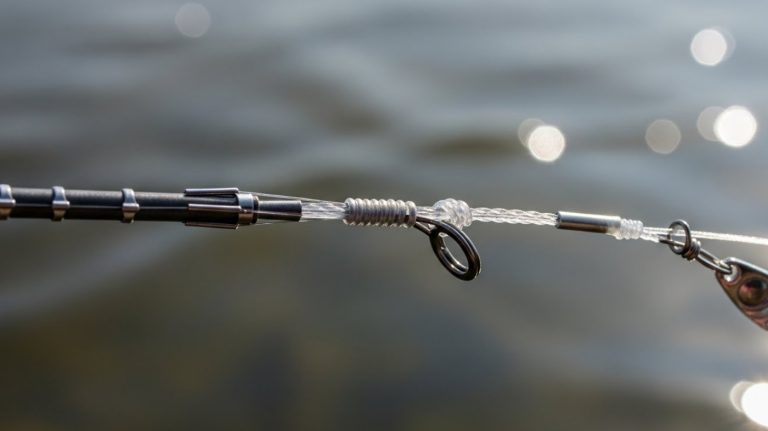
Halibut fishing often requires specialized reels with high max drag to handle their powerful fights in deep waters.
How Eye Position Distinguishes Halibut and Flounder?
Although both halibut and flounder are flatfish, you can distinguish them clearly by examining their eye placement.
Halibut consistently have both eyes positioned on the right side of their head, a trait appearing in nearly 100% of specimens. Left-eyed exceptions are extremely rare, about 1 in 20,000.
In contrast, flounder species display more variability; their eyes migrate to one side during development, but most are left-eyed.
This lateralization difference is a primary taxonomic marker. When you observe a flatfish, note which side the eyes occupy: right-sided eyes almost certainly indicate halibut, while left-sided eyes suggest flounder.
This eye orientation results from asymmetric skull development during metamorphosis, making eye position a reliable, objective characteristic to differentiate these two commonly confused flatfish species.
Halibut and Flounder Habitat Differences
In exploring the distinct habitats of halibut and flounder, you’ll find that each species occupies specific environmental niches shaped by depth, substrate, and water conditions.
Halibut dwell in cold, deep offshore waters, typically between 600 and 1,200 feet, favoring rocky or sandy bottoms.
Halibut thrive in cold, deep offshore waters, usually between 600 and 1,200 feet, favoring rocky or sandy seafloors.
Flounder, by contrast, inhabit shallower coastal and estuarine zones, ranging from 5 to 100 feet, occasionally down to 500 feet, preferring sandy or muddy seabeds.
These habitat choices reflect evolutionary adaptations to optimize feeding and survival.
Halibut’s deep offshore environment demands specialized fishing gear and techniques.
Flounder buries itself in shallower seabeds for ambush predation.
Substrate preference influences camouflage and hunting strategy for both species.
For anglers targeting bottom-dwelling species like these, understanding the importance of soft substrates can greatly improve bait presentation and catch rates.
Comparing Halibut and Flounder Taste and Texture
Because halibut and flounder differ markedly in muscle structure and fat content, their taste and texture profiles cater to different culinary applications.
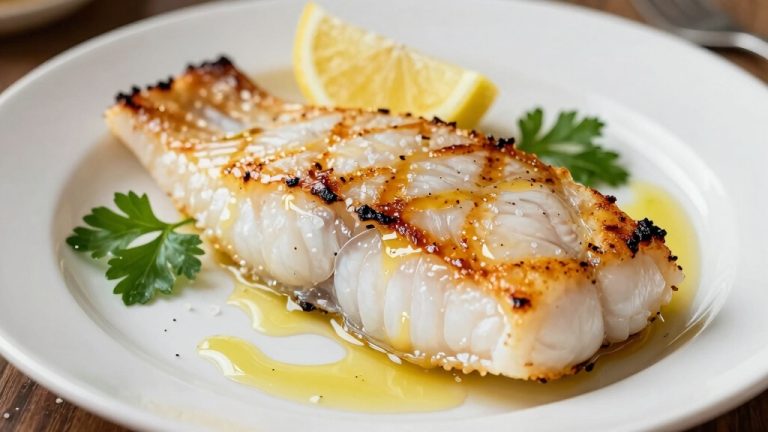
Halibut’s firm, dense muscle fibers produce a meaty texture with low fat. This makes it ideal for grilling and frying, where structural integrity is essential. Its flavor is rich yet lean, allowing it to hold seasoning and sauces well without becoming overpowered.
In contrast, flounder features a delicate, flaky texture with slightly higher fat content. This results in a mild, subtly sweet taste. Its thinner fillets respond best to gentle cooking methods like baking or light frying, which preserve moisture and prevent disintegration.
While both share a mild base flavor typical of flatfish, the distinction in texture fundamentally guides how you should prepare and enjoy each species.
When cooking fish like these, using moderate-heat methods such as baking or pan-searing helps preserve their delicate texture and moisture.
Why Halibut Costs More Than Flounder?
Understanding why halibut commands a higher price than flounder requires examining its size, habitat, and harvesting challenges.
Halibut’s larger body mass provides markedly more meat, justifying part of the cost. Its deep offshore habitat demands specialized fishing gear and techniques, increasing harvest expenses. Flounder, inhabiting shallower coastal waters, is easier and less costly to catch.
Consider these key factors affecting price:
- Size: Halibut frequently exceeds 100 pounds, while flounder rarely tops 30 pounds, yielding less product per flounder.
- Habitat Depth: Halibut’s residence between 600-1,200 feet requires complex, costly deep-water fishing.
- Market Demand: Halibut’s firm texture and rich flavor boost consumer demand, elevating market value over flounder.
Additionally, using corrosion-resistant materials in fishing gear for deep-water species like halibut helps reduce equipment wear and improve catch efficiency.
These elements combine to make halibut a premium, costlier fish.
Choosing Between Halibut and Flounder for Cooking and Nutrition
When you’re trying to pick between halibut and flounder, it’s good to think about what you’re planning to cook. Halibut has this firm, meaty texture and a richer flavor, which makes it perfect for grilling or frying. On the other hand, flounder is delicate and flaky with a mild sweetness, so it’s great for baking or light frying.
Now, let’s talk nutrition. Halibut tends to pack in a bit more protein and fat, including those heart-healthy omega-3 fatty acids and vitamin D. Flounder, however, is leaner with slightly lower fat content, making it a lighter option. So, when you consider how you want to cook and what your nutritional goals are, knowing these differences can really help you make the best choice! Additionally, understanding the moisture levels comparison among white fish can guide you in selecting the right fish for your recipe and texture preferences.
Texture And Flavor
Selecting between halibut and flounder hinges markedly on their distinct texture and flavor profiles, which directly influence cooking methods and nutritional outcomes.
Halibut features firm, meaty flesh with a rich, lean flavor that holds up well to grilling or frying. Flounder offers a delicate, flaky texture with a mild, slightly sweet taste, favoring gentle baking or frying.
Understanding these differences lets you optimize preparation and flavor retention. Halibut’s dense muscle fibers provide structural integrity, suitable for high-heat cooking.
Flounder’s thinner fillets break apart easily, requiring careful handling to preserve texture. Flavor intensity varies: halibut’s robust taste contrasts with flounder’s subtle sweetness, guiding pairing choices.
Choose based on desired texture resilience and flavor emphasis in your dish. Additionally, proper handling and cooking methods are key to preserving the delicate texture and safety of such fish.
Nutritional Value Comparison
Although both halibut and flounder provide excellent sources of omega-3 fatty acids and vitamin D, halibut delivers a slightly higher protein content and a leaner profile, making it preferable for those prioritizing muscle maintenance and low-fat intake.
Halibut’s protein density typically ranges around 22–24 grams per 100 grams, surpassing flounder’s 18–20 grams.
Flounder contains marginally higher fat content, which contributes to its delicate texture but increases overall caloric value.
Both fish offer comparable vitamin D levels, supporting bone health and immune function.
When selecting between the two for nutritional goals, consider halibut’s firmer flesh and lean composition ideal for higher protein demands.
Flounder suits diets favoring lower protein but slightly more fat.
This detailed comparison aids informed choices based on precise nutrient profiles.
Frequently Asked Questions
How Sustainable Is Halibut Fishing Compared to Flounder Fishing?
Halibut fishing tends to be less sustainable than flounder fishing due to its deep-water habitat and slower growth rates, which make populations more vulnerable to overfishing.
You’ll find flounder fisheries generally more sustainable because flounder reproduce faster and inhabit shallower coastal areas, allowing for quicker population recovery.
However, sustainability depends heavily on management practices. If you fish halibut responsibly with quotas and size limits, you can help maintain healthy stocks.
What Are the Best Seasons to Catch Halibut and Flounder?
You’ll find the best halibut fishing season runs from May through September, when they move into shallower waters to feed.
For flounder, late spring to early fall, May to October, is ideal, coinciding with warmer coastal temperatures.
These periods align with their feeding and spawning cycles, enhancing catch rates.
Adjust your fishing depth accordingly: deep offshore waters for halibut and shallower estuaries for flounder during these prime months.
Are Halibut and Flounder Safe for People With Seafood Allergies?
If you have seafood allergies, you should avoid both halibut and flounder because they contain fish proteins that commonly trigger allergic reactions.
Even though their habitats and textures differ, their allergenic potential is similar.
Cross-reactivity among fish species is common, so eating one type can cause a reaction to others.
Always consult an allergist before trying these fish.
Be cautious of hidden ingredients in seafood dishes to prevent allergic episodes.
Can Halibut and Flounder Be Farmed Commercially?
You can’t put all your eggs in one basket with halibut and flounder farming. Halibut farming faces challenges due to slow growth and deep-water habitat needs, limiting commercial viability.
Flounder farming is more feasible, thriving in shallower, coastal aquaculture setups with quicker growth cycles. Both require controlled environments to mimic natural conditions, but flounder’s adaptability makes it the preferred candidate for commercial aquaculture operations globally.
What Traditional Dishes Feature Halibut or Flounder Regionally?
You’ll find halibut featured in Pacific Northwest dishes like halibut ceviche and grilled halibut steaks, prized for firm texture.
In New England, flounder appears in classic flounder meunière, lightly pan-fried with butter and lemon.
The British enjoy flounder in fish and chips, while Japanese cuisine uses halibut sashimi.
Each preparation highlights their distinct textures. Halibut’s dense flesh suits grilling, while flounder’s delicate fillets excel in quick frying or baking.
Choose Between Halibut and Flounder Based on Flavor, Texture, and Budget
When deciding between halibut and flounder, you’ll notice their size, eye placement, and habitat set them worlds apart.
Halibut’s firm texture and mild flavor make it a culinary powerhouse, while flounder offers delicate taste at a gentler price.
Choosing halibut is like holding the ocean’s finest treasure; its cost reflects unmatched quality.
Understanding these technical differences guarantees you pick the perfect fish for your cooking needs and nutritional goals every time.