Pencil Fishing Weights: Durable & High-Performance Choices
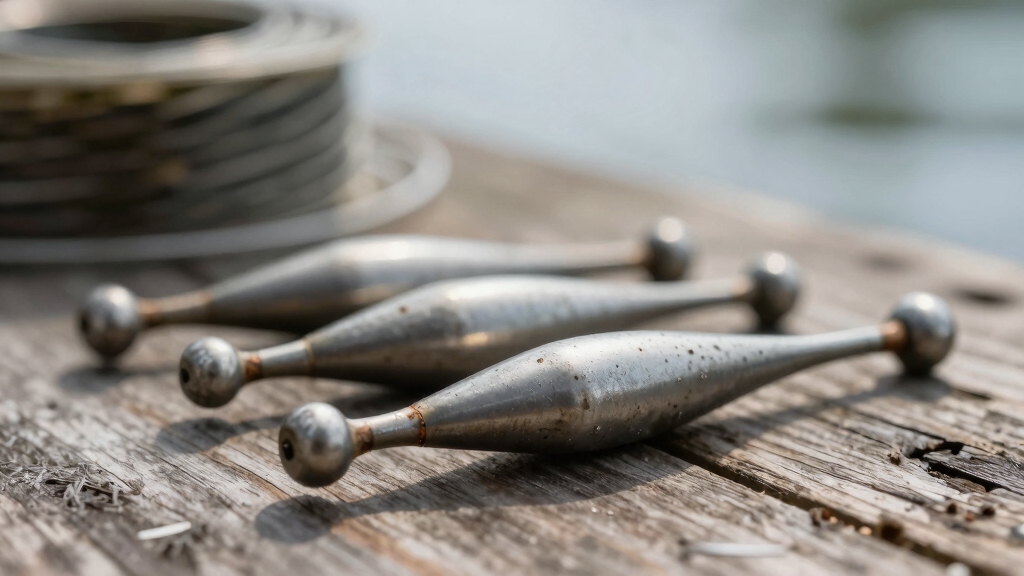
You’ll find pencil fishing weights perfect for finesse and bottom-contact fishing. Their long, slender design slides smoothly over rocks, cutting down snagging compared to bulkier weights.
Made from low-visibility black lead, they reduce fish spooking while allowing precise weight adjustment by trimming the coil. Ideal for drop shot and drift fishing in swift currents or rocky bottoms, these weights improve sensitivity and presentation subtlety.
Keep exploring to understand their benefits versus other weight types and customization options.
Key Takeaways
- Pencil fishing weights have a slender, cylindrical shape designed to reduce snagging on rocks and crevices.
- Made from black lead, they offer a stealthy, low-visibility profile ideal for finesse fishing presentations.
- Their coil form allows easy weight adjustment by clipping to fit various currents, depths, and fishing conditions.
- They excel in drop shot rigs and drift fishing, maintaining bottom contact while keeping bait elevated.
- Compared to other weights, pencil weights provide superior snag resistance and less noise on contact with obstacles.
Pencil Weights: What They Are and How They Work?
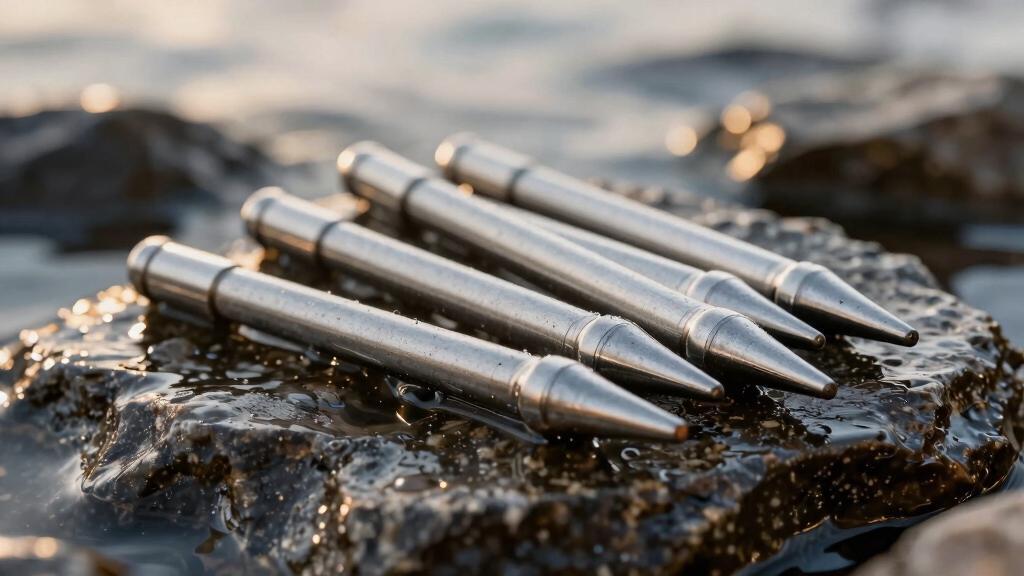
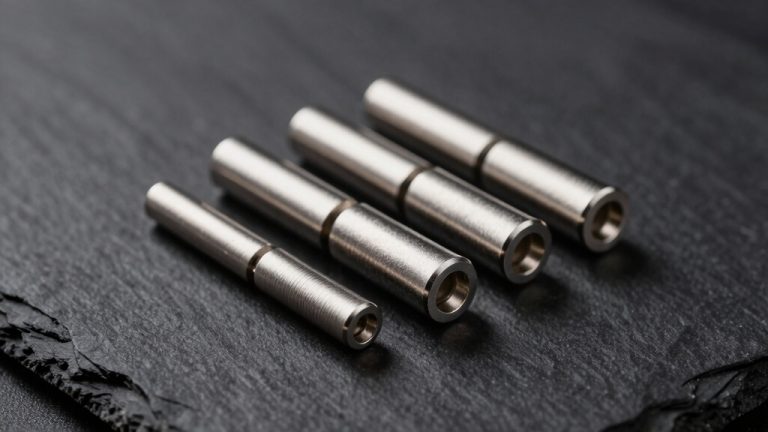
Pencil weights offer you a long, slender cylindrical design specifically crafted for finesse fishing in challenging environments like rocky crevices and heavy cover.
Their streamlined shape allows them to slide smoothly over rocks, reducing snagging risks compared to bulkier sinkers.
Typically made from black lead, they maintain a stealthy profile that blends into bottom contours, minimizing spooking wary fish.
You attach the weight by threading your line through a hole punched at one flattened end, enabling secure rigging.
This design works exceptionally well in drop shot setups, where the weight rests on the bottom and the bait hovers naturally above.
The slim form also permits easy length adjustment by clipping, letting you customize weight for various current strengths and depths efficiently and precisely.
Using a properly sized barrel swivel with pencil weights can help prevent line twisting and improve overall rig performance.
Using Pencil Weights for Drift and Drop Shot Fishing
When fishing in currents or around rocky bottoms, you’ll find that drift and drop shot techniques benefit greatly from the streamlined design of pencil weights.
Their slender, cylindrical shape lets you slide over rocks and resist snagging, vital for finesse presentations in complex underwater terrain.
In drift fishing, pencil weights help you maintain bottom contact in swift currents, targeting salmon and steelhead precisely where they feed.
For drop shot rigs, the weight’s profile minimizes hang-ups while allowing your bait to hover naturally above the substrate.
You can easily adjust the weight by trimming the lead coil to match water conditions.
Plus, their black lead construction reduces visibility, enhancing stealth.
Using pencil weights this way guarantees effective bottom control and subtle lure action, increasing your chances of a successful catch.
However, it is important to consider line capacity when selecting weights, as smaller diameter lines can affect how much line you can spool and manage during fishing.
When to Choose Pencil Weights: Key Situations and Benefits?
Although other weights may work in many situations, you’ll find pencil weights excel in environments where finesse and snag resistance matter most.
Use them when fishing rocky or weedy bottoms where conventional weights snag easily. Their slender, cylindrical shape slides smoothly over crevices.
They’re ideal for drop shot rigs, allowing you to maintain a natural bait presentation near the bottom without excessive disturbance.
In drift fishing, pencil weights help you reach bottom-holding fish like salmon and steelhead stealthily. Their black lead construction minimizes visibility.
You’ll also appreciate their adjustability; simply clip the coil length to match current conditions.
If your technique demands subtlety and obstacle negotiation, pencil weights provide superior performance. They combine precision weight placement with enhanced snag resistance.
For trolling techniques targeting species like stripers, using pencil weights can complement the use of fast action rods to improve sensitivity and hook sets.
Comparing Pencil Weights to Teardrop, Slinky, and Bullet Weights
In comparing fishing weights, you’ll find that teardrop, slinky, and bullet designs each have distinct advantages and limitations that affect their suitability in various conditions.
Pencil weights outperform teardrops in rocky or crevice-filled bottoms by sliding smoothly and resisting snagging. Compared to slinky weights, pencils create less noise on contact with obstacles and offer easier on-water length adjustment, though slinkies hang up less overall.
Bullet weights, while ideal for distance casting as unpegged slide sinkers, lack the finesse and snag resistance pencil weights provide in drift fishing scenarios.
Pencil weights uniquely combine stealth with precision control, especially in finesse techniques around heavy cover. Understanding these differences helps you select the best weight for targeted species and specific underwater terrains.
Selecting the correct swivel size to match your line strength is crucial to maintain finesse presentations and prevent tackle failure.
Materials, Sizes, and Customizing Pencil Weights
Because pencil weights require versatility in varying fishing conditions, their materials and sizes are designed to accommodate precise customization.
Typically, you’ll find them made from poured lead coils that you can uncoil and cut to exact lengths. This allows you to adjust weight from tenths of an ounce to several pounds.
Tungsten alternatives offer a denser, more compact option, ideal for finesse applications or environmentally sensitive areas.
You’ll notice one end is flattened and punched with a hole for line attachment, ensuring secure rigging.
By cutting the coil to different lengths, you tailor the weight to specific currents or depths.
This customization is essential for drift fishing or drop shot rigs, where precise weight controls presentation and reduces snagging in rocky or weedy environments.
Selecting the right drag system on your reel complements the precision of pencil weights by providing smooth resistance during fish strikes.
Frequently Asked Questions
How Do Pencil Weights Affect Fish Behavior Compared to Other Sinkers?
You’ll notice pencil weights create less disturbance on the bottom compared to bulkier sinkers, which helps keep fish from spooking.
Their slender shape slides smoothly over rocks, producing minimal noise and vibration. This stealthy presentation encourages natural feeding behavior, especially in pressured or clear-water environments.
Unlike teardrop or pyramid weights, pencil weights reduce snagging and maintain a subtle lure movement. This increases your chances of enticing bites in rocky or heavy-cover areas.
Can Pencil Weights Be Used Effectively in Saltwater Fishing?
Can you rely on pencil weights in saltwater conditions? Absolutely, you can use them effectively, especially when finesse and minimizing snags matter.
Their streamlined shape helps you maintain bottom contact in rocky or weedy coastal areas. Their stealthy profile reduces spooking wary saltwater species.
Just choose corrosion-resistant materials or coatings since saltwater accelerates wear. Adjust weight size for currents and target species, and you’ll get precise, controlled presentations in saltwater scenarios.
What Is the Environmental Impact of Using Lead Pencil Weights?
You should know that lead pencil weights pose environmental risks due to lead’s toxicity, which can leach into aquatic ecosystems, harming fish and wildlife.
Using lead weights contributes to sediment contamination and bioaccumulation in food chains. To minimize impact, you might opt for tungsten or other non-toxic alternatives.
Properly retrieving weights after fishing also reduces environmental exposure. This helps you fish responsibly without exacerbating pollution in freshwater or marine habitats.
How Do You Properly Store Pencil Weights to Prevent Damage?
You’d think storing pencil weights is rocket science, but it’s straightforward. Keep them dry and separate to avoid corrosion and deformation.
Use a tackle box with individual compartments or a small plastic container with dividers to prevent scratching and tangling. Avoid stacking weights directly on top of each other, as lead can warp under pressure.
Label sizes for quick access, and store in a cool, dry place away from moisture and extreme temperatures.
Are There Any Safety Tips for Handling and Cutting Pencil Weights?
When handling and cutting pencil weights, always wear gloves to avoid lead exposure. Wash your hands thoroughly afterward.
Use sharp cutting tools to reduce slipping and guarantee clean cuts. Work in a well-ventilated area to avoid inhaling dust or fumes.
Secure the weight firmly to prevent movement and dispose of lead scraps safely. Avoid eating or drinking during the process to minimize contamination risks.
Stay cautious and precise.
The Subtle Edge: Mastering Control with Pencil Weights
Pencil weights are your silent anchors, cutting through water like a sleek arrow, offering precision and control in drift and drop shot fishing.
When you choose them, you’re harnessing a tool designed for finesse, not brute force. Their streamlined shape and customizable materials let you tailor your tackle to exact conditions.
Compared to teardrop, slinky, or bullet weights, pencil weights deliver subtlety and efficiency. This is essential for mastering the art of subtle lure presentation.