What Lb Test for Surf Fishing: Make Every Cast Count
You’ll want to match your surf fishing line’s pound test to your rod’s power, target species, and surf conditions. For smaller species like perch or trout, use 10–15 lb braided or mono.
Medium species like corbina need 15–30 lb braid for casting distance and abrasion resistance. Large predators require 30–50 lb braid or heavy mono.
Strong currents and heavy sinkers push you toward 20–30 lb lines for durability. Choosing the right line sets your gear up for success and peak performance; consider how various factors influence this balance.
Key Takeaways
- Use 15–30 lb braided line for most surf fishing to balance casting distance, abrasion resistance, and strength against waves and currents.
- Match line test to target species: 10–15 lb for small fish, 15–30 lb for medium species, and 30–50 lb for large predators.
- Increase lb test with stronger currents, heavier sinkers, or rough surf to prevent line breakage and maintain control.
- Pair braided mainline with a monofilament or fluorocarbon leader rated about 10 lb per ounce of sinker weight for abrasion resistance.
- Ensure your rod’s power rating aligns with line strength to optimize hooksets and reduce equipment mismatch or breakage.
Choosing the Right Lb Test Line for Your Surf Fishing Rod
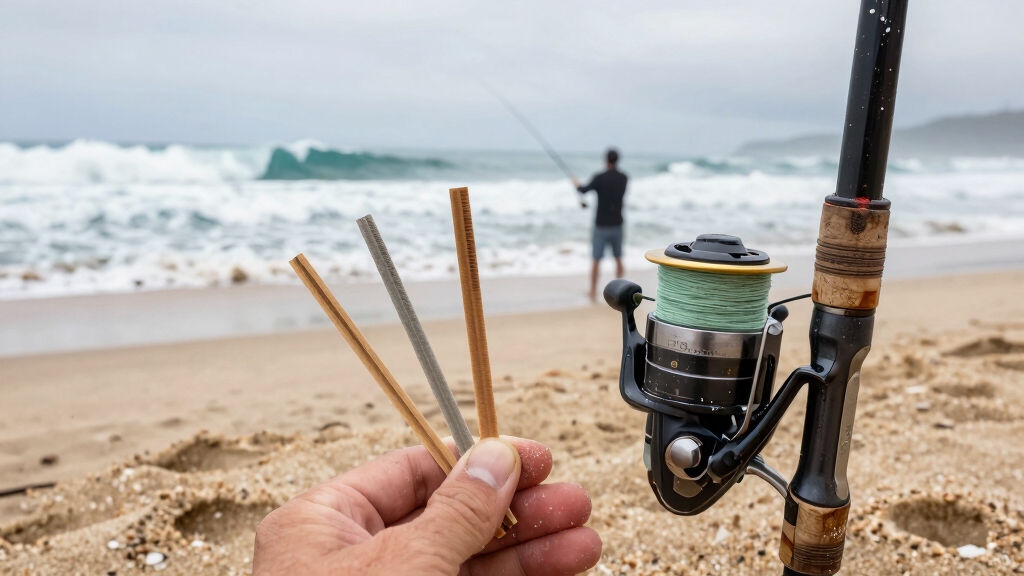
When selecting the right lb test line for your surf fishing rod, you must first consider the rod’s power rating and intended target species to guarantee peak performance and line durability.
Choosing the correct lb test line depends on your rod’s power and the fish species you aim to catch.
Match the line strength to the rod’s specified rating, typically 10-20 lb for medium power rods, to maintain ideal casting and load capacity.
For general surf fishing, 15-30 lb monofilament or braided line provides adequate abrasion resistance and tensile strength against surf currents and heavy sinkers.
Braided lines offer superior strength-to-diameter ratios, enhancing casting distance and sensitivity, especially between 15-30 lb test.
Make certain your reel’s line capacity supports your chosen lb test to avoid overfilling or insufficient line length.
Selecting line that balances tensile strength, diameter, and stretch characteristics according to rod specifications guarantees effective hook sets and minimizes breakage in dynamic surf conditions.
Additionally, pairing your line with corrosion-resistant materials in terminal tackle and lures helps prevent failures and extends gear longevity in saltwater environments.
Matching Lb Test to Target Surf Species and Size
When you’re out there fishing, it’s super important to pick the right line strength based on the size and fighting power of the species you’re targeting. You want to find a good balance between lighter and heavier pound test. It’s all about matching your line to your rod’s rated test range, which helps optimize performance and prevents any breakage when you’re battling those surf conditions.
For smaller surf species, like perch or trout, a line strength of 10-20 lb test usually does the trick. But if you’re going after larger species, you’ll want to bump that up to 30-50 lb test or even more.
These bigger fish can put up a serious fight, so make sure you’re equipped to handle the extra strain. Happy fishing! When surf fishing nearshore species, it’s also important to consider corrosion-resistant tackle due to exposure to saltwater and rougher conditions.
Species Size Line Strength
Select your line strength based primarily on the target species’ typical size and fighting power in surf conditions.
For smaller species like surf trout and perch, 10-15 lb test braided or monofilament provides adequate strength and sensitivity.
When targeting medium-sized species such as corbina or bonito, opt for 15-30 lb braided line to balance casting distance and abrasion resistance.
Larger predators like striped bass or small sharks demand 30-50 lb test braid or heavy monofilament to handle their power and the surf’s force.
Always align your line’s breaking strength with your rod’s rated pound test to avoid equipment mismatch.
Choosing a reel with the appropriate line capacity ensures you have enough line to handle powerful runs and long-distance fights common in surf fishing.
Light Versus Heavy Test
Although lighter test lines offer increased sensitivity and casting distance for smaller surf species, heavier test lines provide the necessary abrasion resistance and breaking strength to handle larger, more powerful fish in challenging surf conditions.
You’ll want to match your line test precisely to your target species and typical surf size. For instance, 6-12 lb monofilament suits lighter fish like surf perch, while 20-30 lb braided lines excel for sharks or large corbina.
Consider these factors to optimize your setup:
Lighter lines (4-15 lb) maximize finesse and casting range but risk breakage on heavy surf or larger fish.
Heavier lines (25-50 lb) offer durability and control but reduce casting distance and sensitivity.
Balance line diameter and strength with expected abrasion from rocks, shells, and surf pressure for effective hookups.
Using rods with medium to heavy power helps complement the line strength needed for handling big surf species efficiently.
Matching Rod And Line
Aligning your rod’s power rating with the appropriate line test is critical for maximizing performance and durability in surf fishing.
If your rod is rated for 10-20 lb test, pairing it with a matching monofilament or fluorocarbon line within this range guarantees peak load distribution and casting efficiency.
For heavier rods rated 15-30 lb, especially those used with bait weights of 2-8 oz, a braided line in the 15-30 lb test range offers superior strength-to-diameter ratio.
This enhances casting distance and sensitivity.
Match line test not only to rod specs but also to your target species: use 10-20 lb for smaller surf fish like trout or perch, and 30-50 lb for larger species such as bass or sharks.
This alignment minimizes stress on the rod blank and reduces line breakage under surf conditions.
Additionally, choosing gear with an appropriate drag capacity helps manage the fight with larger surf species effectively.
How Surf Conditions Influence Your Lb Test Choice
When you’re out there in the surf, it’s really important to pick the right pound test for your fishing line. The surf conditions can change the game completely. You see, when the waves are strong, that increases the tension on your line and makes it more susceptible to abrasion. So, you definitely want to take that into account.
Now, if you’re dealing with faster currents, you’ll want to bump up your lb test. Why? Well, higher lb test helps you maintain control and can prevent those frustrating break-offs when a fish makes a run. Nobody wants to lose their catch because the line couldn’t handle the pressure, right?
And let’s not forget about the sinkers. If you’re using heavier sinkers, that means you’re going to need a stronger line to combat the drag. This is especially true in turbulent waters where casting distance becomes crucial.
You want to ensure that your bait gets to where the fish are hanging out, and having the right line makes all the difference. So, always keep the surf conditions in mind when selecting your lb test!
Additionally, using heavier weights can help your line resist being pulled by the wind and waves, improving your casting accuracy in windy conditions.
Wave Strength Impact
When surf conditions intensify with stronger waves and currents, you must increase your line’s pound test to withstand added tension and abrasion.
Higher wave energy subjects your line to repetitive strain and potential contact with abrasive sand and rocks, increasing breakage risk.
Selecting a heavier pound test enhances durability and prevents cutoffs during powerful wave surges.
Consider these factors when adjusting your line:
Use 20-30 lb monofilament or braid to resist abrasion from turbulent surf.
Opt for thicker diameters (0.014-0.018 in) in braid to maintain strength without sacrificing casting distance.
Pair heavier mainline with fluorocarbon leaders rated similarly for abrasion resistance near the bottom substrate.
Balancing strength and sensitivity is vital. Heavier line handles extreme wave action while maintaining control on strikes in dynamic surf environments.
Additionally, just as marine aluminum benefits from regular maintenance to prolong performance, regularly inspecting and cleaning your fishing line can prevent damage and extend its lifespan in harsh surf conditions.
Current Speed Effects
Maneuvering strong surf currents demands careful selection of your line’s pound test to maintain control and prevent breakage.
When currents intensify, the drag on your line increases markedly, requiring higher tensile strength, typically within the 20-30 lb range, to counteract the additional force.
Braided lines in this range offer superior strength-to-diameter ratios, reducing water resistance and enhancing casting distance while maintaining abrasion resistance against submerged structures.
Monofilament lines with 15-30 lb test provide necessary stretch to absorb shock from fluctuating current speeds, minimizing sudden snap risks.
You should also consider matching your line strength to rod power, ensuring the system handles sustained tension without fatigue.
Underestimating current speed leads to frequent line failure, so increase pound test proportional to current velocity for peak surf fishing performance.
Additionally, understanding how wind-driven currents influence water movement can help anticipate areas of increased drag and adjust your pound test accordingly.
Sinker Weight Considerations
Adjusting your line’s pound test to accommodate sinker weight is essential for maintaining control and preventing breakage in varying surf conditions. Heavier sinkers increase drag and strain, demanding stronger lines, typically 20-30 lb mono or braid, to manage the load and resist abrasion from sand and rocks.
Conversely, lighter sinkers allow you to fish with 6-12 lb test lines, ideal for moderate surf and smaller species.
Consider these factors when selecting your line test:
- Match line strength to sinker weight ratio (approx. 10 lb per ounce) to avoid line snap under tension.
- Use monofilament leaders with braid mains for shock absorption when employing heavier sinkers.
- Adjust pound test upward in rough surf or strong currents to counteract increased sinker drag and guarantee rig stability.
Tailoring your line to sinker weight improves casting efficiency and fish hookup success. Additionally, accounting for abrasion resistance in line selection helps extend line life when fishing in rocky or sandy surf environments.
Benefits of Braided Line and Lb Test Options for Surf Fishing
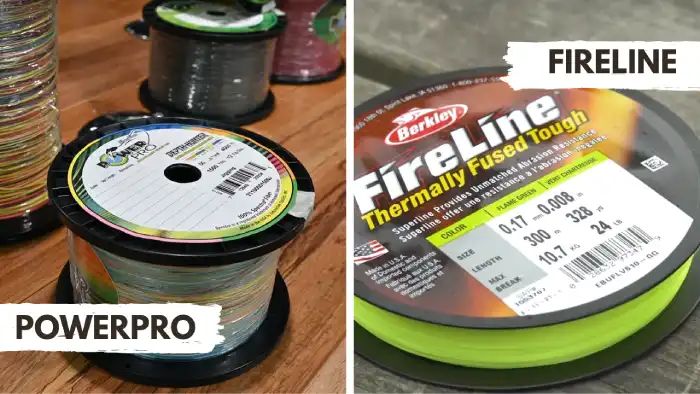
Harnessing braided line in surf fishing markedly enhances casting distance, sensitivity, and strength-to-diameter ratio compared to monofilament.
You’ll find 15-30 lb braided line ideal for targeting species from surf perch to sharks, as its thin diameter (0.008–0.013 inches for 10-20 lb) minimizes drag through breaking waves, allowing longer casts.
Braided line’s superior tensile strength enables you to handle heavy sinkers and substantial surf currents without line stretch, improving hook sets and bite detection.
For smaller species like pompano, 4-20 lb braid delivers exceptional sensitivity, while 25-50 lb test suits larger game requiring durable, long-distance casting.
Pairing 15-30 lb braid with a monofilament leader around 10 lb per ounce of sinker weight optimizes abrasion resistance and shock absorption, balancing performance and durability in challenging surf environments.
Thinner braid lines also offer increased sensitivity and can cast farther due to their reduced diameter and lower water resistance.
Choosing Between Monofilament and Fluorocarbon Lb Test Lines
While braided lines offer remarkable strength and sensitivity for surf fishing, selecting the right monofilament or fluorocarbon line test can greatly influence your setup’s performance.
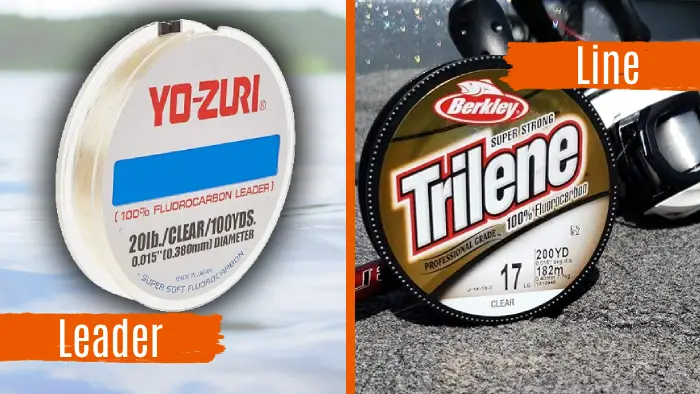
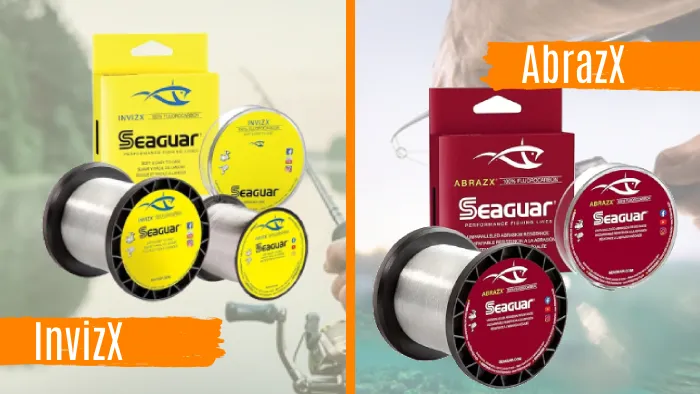
You’ll rely on monofilament for its stretch and shock absorption, essential in handling powerful surf currents and abrupt fish strikes. Fluorocarbon excels in abrasion resistance and near-invisibility underwater, making it ideal for leaders or mainlines when stealth is critical.
Consider these key factors when choosing your line:
Monofilament in the 15-30 lb range provides elasticity that protects against sudden load spikes. Fluorocarbon at 20-30 lb resists abrasion from rough substrates and fish teeth.
Match your line’s pound test to rod specifications and the target species’ average size for peak control and durability.
Matching Leaders and Sinkers to Your Lb Test Line
Because leaders and sinkers directly influence casting efficiency and fish hookup rates, you need to carefully match their pound test to your main line’s strength and fishing conditions.
For braided mainlines between 15-30 lb, use monofilament leaders rated around 10 lb per ounce of sinker weight to balance abrasion resistance and flexibility.
Fluorocarbon leaders at 20-30 lb optimize concealment and cut resistance, especially when surf currents and structure pose challenges.
Sinkers shouldn’t exceed the leader’s breaking strength; for example, a 1-oz egg sinker pairs well with a 10-12 lb leader on a 15-20 lb mainline in moderate surf.
Overweight sinkers risk line damage and reduce casting distance.
Matching leader and sinker lb test guarantees peak shock absorption, reduces break-offs, and maintains casting control under variable surf conditions.
Frequently Asked Questions
How Does Line Diameter Affect Casting Distance in Surf Fishing?
Line diameter considerably impacts your casting distance in surf fishing. Thinner lines create less air resistance and friction through rod guides, allowing you to cast farther.
For example, braided lines with diameters around 0.008-0.013 inches (10-20 lb test) outperform thicker monofilament. When you use thinner braid, you reduce drag beyond breaking waves, maximizing your cast range while maintaining sufficient strength for target species in surf conditions.
What Lb Test Line Works Best for Night Surf Fishing?
Think of night surf fishing like steering a river in the dark. You need reliable gear to avoid snapping your line on unseen obstacles.
For night surf fishing, a 15-30 lb braided line offers the perfect balance of strength and sensitivity.
This is especially true when paired with a 20-30 lb fluorocarbon leader for abrasion resistance.
This setup handles strong currents and heavier sinkers, ensuring you won’t lose that hard-fought catch after the sun sets.
Can Lb Test Lines Be Mixed on the Same Reel?
Yes, you can mix lb test lines on the same reel by spooling a stronger mainline, like 15-30 lb braid, with a lighter monofilament or fluorocarbon leader, typically 10-20 lb.
This setup optimizes casting distance and abrasion resistance while providing shock absorption.
Just make sure the leader matches your target species and rod rating.
Properly blending lines enhances surf fishing performance, balancing strength, sensitivity, and durability under varying conditions.
How Often Should Surf Fishing Line Be Replaced Due to Wear?
You should replace your surf fishing line every 3-6 months under regular use, or sooner if you notice abrasion, nicks, or loss of tensile strength.
Saltwater, surf conditions, and heavy casting accelerate wear, so inspect line frequently for frays, discoloration, or stiffness.
Braided lines resist wear better but still require periodic replacement.
Always prioritize line integrity to prevent break-offs during strong runs or heavy surf encounters.
Does Water Temperature Impact Lb Test Line Performance?
Water temperature doesn’t directly alter your line’s lb test strength, but it influences its performance subtly.
Cold water can stiffen monofilament, reducing flexibility and making it more prone to breakage under sudden stress.
Conversely, warmer water keeps line supple, preserving shock absorption.
You’ll want to take into account these temperature effects when choosing between monofilament and braid.
Braid remains stable across temperatures, ensuring consistent strength and sensitivity regardless of conditions.
Strength Meets Strategy: Mastering Your Surf Fishing Line Choice
Choosing the right lb test line for surf fishing isn’t just a technical detail. It’s the backbone of your entire setup.
By matching your line strength to target species, surf conditions, and gear type, you guarantee peak performance and minimize break-offs.
Think of your lb test as the silent partner in your fishing success, balancing strength and sensitivity.
Mastering this choice transforms every cast into a calculated strike, turning the unpredictable surf into your controlled domain.