How to Fish a Rooster Tail? Tips for Bigger Catches
Choose your Rooster Tail size based on water depth and current. Use lighter lures for shallow, faster currents and heavier ones for deep or strong flows.
Attach it to a snap swivel to prevent line twist and use a fluorocarbon leader for clear water. Cast slightly upstream, keeping the rod tip low.
Vary your retrieve speed to mimic prey behavior, adjusting for flow conditions. Match lure color to water clarity to optimize visibility.
Fine-tuning these will improve your catch rate, with more nuances to master for different species and environments.
Key Takeaways
- Choose Rooster Tail size and weight based on water depth and current strength, using lighter sizes for shallow, fast water and heavier for deep or strong currents.
- Rig the Rooster Tail on a snap swivel with a strong knot to prevent line twist and allow free blade rotation.
- Cast slightly downriver at a 45-degree angle, aiming beyond the trout’s lie for natural sinking and smooth blade action.
- Use a medium-speed retrieve with occasional pauses or twitches to mimic injured prey and trigger strikes.
- In strong currents, select heavier lures (5/32 oz+) or add split shot above the swivel to maintain depth and blade spin.
Choosing the Right Rooster Tail Spinner
When selecting the right Rooster Tail spinner, you need to match the size and weight to your target species and water conditions.
Sizes range from 1/32 to 1 ounce, with lighter weights (1/32 to 1/16 oz) ideal for shallow, fast currents and smaller trout. Fluorocarbon leaders can be used to reduce line visibility when fishing with lighter spinners in clear water.
Heavier spinners (1/4 oz and above) help in deeper water or longer casts. The original cylindrical body design guarantees consistent casting and precise weighting.
Blade types affect vibration and flash; willow blades excel in fast water with strong vibrations, while single french blades suit varied conditions.
Tail design influences action. The pulsating hackle tail enhances lifelike movement, vital in clear or cold water.
Color and finish impact visibility. Silver blades maximize flash, while bright bodies improve attraction in stained or murky waters.
Additionally, the vibration credited as key factor in appeal makes the blade’s spinning action essential to attracting fish.
Attaching Your Rooster Tail to the Line
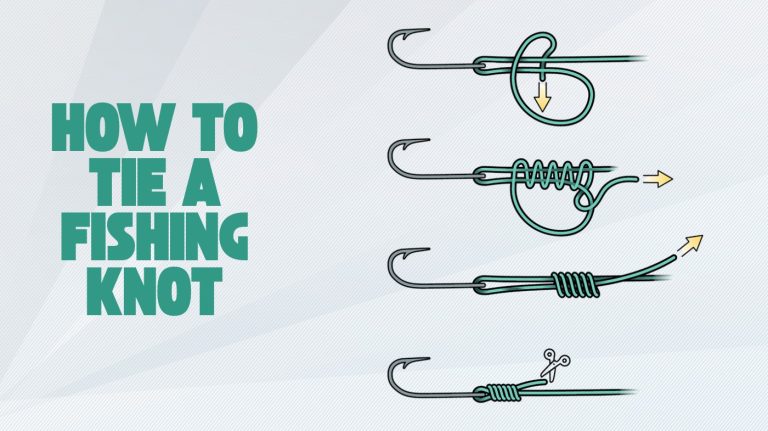
To rig your Rooster Tail properly, start by securing a snap swivel to your mainline using a strong knot like the clinch knot with at least seven wraps. This guarantees a reliable connection that won’t slip under tension.
Attach your Rooster Tail to the snap swivel’s clasp, allowing the spinner blade to rotate freely and prevent line twist. For clearer water or added abrasion resistance, use a 1-3 foot fluorocarbon leader between the swivel and mainline, tying a barrel or ball-bearing swivel above the lure to further reduce twisting. Choosing a corrosion-resistant swivel is important to maintain durability, especially in saltwater environments.
Avoid attaching the swivel directly on the spinner eye, as it can disrupt the lure’s natural action. Always tighten knots firmly and trim tag ends to maintain strength and lure presentation.
Using a snap swivel on the line is essential to prevent line twist from the spinner blade, ensuring a smooth fishing experience.
This setup balances durability and peak spinner function.
Casting Techniques for Maximum Distance
Master casting your Rooster Tail by focusing on body positioning and casting angle, which directly impact distance and lure presentation.
Perfect your Rooster Tail casts by honing your stance and angle for optimal reach and lure action.
Position yourself slightly downriver from your target, aiming at a 45-degree angle to balance distance and control. This positioning helps you cast close to banks, downed trees, and boulders where trout often lie, increasing your chances for a strike on the spinner’s drop target lie accuracy.
Cast just beyond the trout’s lie to let the spinner sink naturally. Use underhand or sidearm casts for accuracy in tight spots.
Keep your rod tip low, near 9 o’clock, and execute smooth, accelerating strokes to maximize velocity and minimize slack.
Control line spool tension with your fingers to prevent overruns. Add subtle weights above the swivel to enhance casting distance without hindering blade spin.
Use thin fluorocarbon leaders paired with braided mainline for peak energy transfer.
Adjust your angle and position to let the lure swing naturally with the current through the strike zone.
Mastering Retrieve Speeds and Patterns
After perfecting your casting techniques, focus shifts to how you retrieve the Rooster Tail.
Retrieval speed directly influences lure action and strike response. Fast, erratic retrieves mimic fleeing baitfish, provoking aggressive species like smallmouth bass. Using a heavy lure requires fishing fast to keep it high in the water column. Spinners, like the Rooster Tail, create vibrations and flashes that attract predatory fish effectively during varied retrieves.
Conversely, slow, steady retrieves maintain blade spin in cold water or when fish are lethargic. Medium-speed retrieves balance flash and vibration. Start here, then adapt based on fish reaction.
Vary retrieval during a cast by letting the lure drop or slow momentarily, then speeding up to trigger strikes. Use hand-over-hand retrieves combined with rod tip manipulation to alter action rhythm.
Incorporate twitches and pauses to simulate injured prey, increasing strike likelihood. Target different depths by adjusting retrieve angle and speed to cover strike zones efficiently.
Master these patterns to optimize your Rooster Tail’s effectiveness.
Adjusting Depth Based on Water Conditions
When water clarity changes, you need to adjust your Rooster Tail’s depth to match fish behavior and visibility. In clear water, fish hug structure or bottom, so suspend your spinner mid-depth or just above bottom.
In murky water, fish rely on vibration, letting you fish closer to the surface with duller-colored blades. Use the countdown method, counting “one-one thousand” per second after casting to systematically control depth.
| Water Condition | Recommended Depth |
|---|---|
| Clear | Mid-depth to near bottom |
| Murky | Near surface |
| Variable temp | Adjust count for fish activity |
Match lure weight to desired depth: lighter for shallow, heavier for deep. This precision improves your strike rate. Keep in mind that the line’s elasticity can affect how you feel the lure’s movement and depth during retrieval.
Enhancing Lure Action With Natural Baits
If you want to make your Rooster Tail work even better, try adding some small natural baits like worms or minnows to the treble hook.
This little trick can really boost the scent and give a more realistic movement to your lure.
Plus, if you’re fishing in murky water or in places where the fish are a bit shy, using scent attractants can really help fish find your bait.
Make sure you secure the bait properly, too.
This way, the spinner blade can keep its action going strong without getting held back.
It’s all about keeping that lure moving just right!
The Rooster Tail is especially effective in ponds for catching largemouth bass due to its simple and effective lure design.
Because it mimics natural prey visually but benefits greatly from added scent attractants, this combination can increase your catch rate.
Baited Treble Hooks
Dialing in your baited treble hooks on a Rooster Tail means carefully balancing natural bait additions without compromising the spinner’s blade dynamics.
Use snap swivels to attach soft-bodied or live bait like minnow segments or small shiners behind the blade. Ensure the treble hook placement doesn’t hinder rotation. Using a superline Gamakatsu swivel can prevent line twist and maintain smooth blade action.
Position bait through the lip or dorsal fin to prevent interference while maintaining natural movement. A secondary hook 6-12 inches behind the blade enhances dual-strike zones and bait visibility.
Retrieve slowly to match blade vibration and keep bait 5-10 feet above the substrate. Pausing your retrieve lets the bait flutter naturally, triggering strikes.
This rigging preserves blade spin, optimizes water displacement, and synergizes bait scent dispersal. It effectively increases reaction strikes from bass, trout, and other species.
Adding Scent Attractants
Enhancing your Rooster Tail lure with scent attractants markedly boosts its effectiveness by engaging fish through chemical cues alongside visual and vibrational stimuli. Proper storage and handling of these attractants are crucial to maintain their potency and avoid degradation caused by temperature fluctuations.
Using amino acid-based or real baitfish extract formulas, you create authentic scent trails that fish track from afar, increasing strike rates. These attractants often come in a UV fish attractant spray that also increases lure visibility underwater.
Apply sprays with a pump bottle directly onto spinning blades and hackles to preserve natural lure action.
Reapply periodically to maintain potency without altering weight or balance.
Key considerations include:
- Choose scents matching local prey to optimize feeding responses.
- Use water-soluble, hackle-safe sprays to avoid damaging delicate materials.
- Adjust application frequency based on water conditions and fish activity.
Integrating scent attractants enhances multisensory stimulation, making your Rooster Tail lure more irresistible to trout, bass, and panfish alike.
Selecting Colors for Different Water Clarities
When fishing with a Rooster Tail, selecting the right color based on water clarity can markedly improve your catch rate. In clear water, opt for darker, natural hues like black, metallic blue, or dark green to avoid over-flashing.
Silver blades with muted bodies, such as white flash or Fire Tiger, provide effective subtle flash under bright sun. For green or slightly stained water, use silver blades paired with bright colors like fluorescent pink, chartreuse, or orange for maximum visibility within 3–6 feet.
In brown or turbid water, gold or black blades combined with fluorescent or black bodies enhance contrast and silhouette. Remember, tarnished or oxidized blades reduce spookiness, and chartreuse remains a versatile choice across stained conditions.
Adjust colors with light intensity for peak presentation. Additionally, the Rooster Tail’s heavy-weighted body and built-in squirrel tail help it sink deeper than other spinners, making it effective in deep fishing situations. Its vibration and flashing action attracts trout and other freshwater species even in low visibility.
Targeting Specific Fish Species With Rooster Tails
Choosing the right Rooster Tail color and size sets the stage for targeting specific fish species effectively. For trout, use 1/16 to 1/6 oz spinners with silver-plated blades in cold or slightly colored water to maximize flash.
The long, sleek profile of the Rooster Tail helps attract a wide range of fish sizes, from small panfish to larger trout. Selecting the appropriate line strength is crucial to handle the fight and ensure successful landings.
Largemouth bass respond well to small to medium sizes, especially in cooler months, using straightforward cast-and-retrieve techniques. Panfish favor lightweight models mimicking small baitfish or insects, with colors tailored to local forage.
Key tactics to ponder:
- Upstream casting to avoid spooking wary trout.
- Adjust retrieval speed—fast to locate, slow to provoke strikes.
- Use heavier spinners near the bottom to maintain blade rotation and depth.
These strategies leverage the Rooster Tail’s flash, vibration, and size versatility for species-specific success.
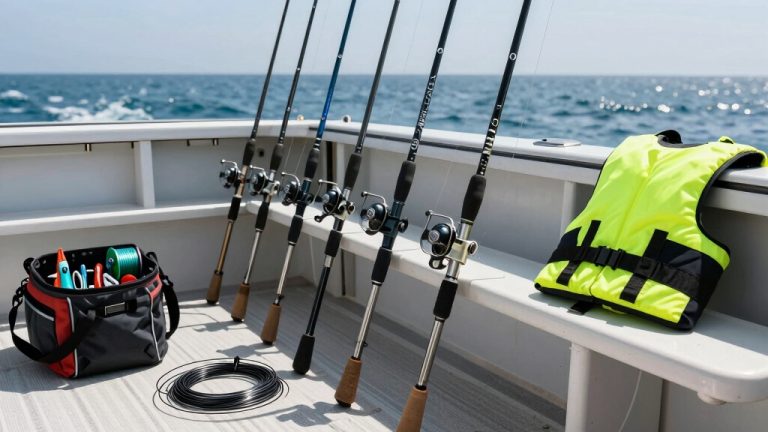
Recommended Gear and Line Setup
To fish a Rooster Tail effectively, you’ll need gear that balances sensitivity, casting distance, and control.
Effective Rooster Tail fishing requires gear that enhances sensitivity, casting distance, and control for optimal performance.
Opt for a 7- to 7.5-foot light to medium-light action spinning rod rated for 4-8 pound line; it offers ideal tip speed and casting distance while detecting subtle strikes. Pairing this with a 2500 vs 3000 reel choice can optimize your setup depending on line capacity and fish species targeted.
Pair it with a 1000 to 3000 size spinning reel, maintaining a 5.3:1 gear ratio for medium-speed retrieves to keep the blade spinning efficiently.
Use 10-pound high-visibility braided mainline for sensitivity and a 6-10 pound fluorocarbon leader tied with a GT knot to minimize visibility.
Incorporate a small ball bearing swivel or size #10 barrel swivel to prevent line twist.
Add split shot or pencil lead above the swivel to control depth and casting distance precisely.
Recommended rods are typically 7–8 ft in length, rated for 4–8 or 4–10 lb line with fast tips to provide both casting distance and hook-setting backbone.
Tips for Fishing in Flowing Versus Still Waters
When you’re out there fishing with a Rooster Tail, one thing to keep in mind is that you’ll need to tweak your retrieve speed. If you’re in a current, you’ll want to speed things up a bit.
But when you find yourself in still waters, it’s a good idea to slow it down. It’s all about matching the water’s flow, you know? You can also bend the blade slightly to create a cupped shape that improves the spinner’s action and helps maintain rotation.
And then there’s depth control, which is super important. In flowing water, let that spinner sink down near the bottom. Using bottom bait rigs principles helps keep your lure in the strike zone longer.
But in calm conditions, aim to keep it at a steady, controlled depth. Getting these adjustments right helps your lure stay in the strike zone longer and really mimics the natural movement of bait. Trust me, mastering this will make a difference in your fishing success!
Adjust Retrieve Speed
Frequently, adjusting your retrieve speed is crucial to effectively fish a Rooster Tail in varying water conditions.
In flowing water, you need a fast retrieve to keep the lure high in the column and mimic fleeing baitfish, which triggers strikes. Fish in creeks often favor higher flow areas and oxygenated water during heat, making a faster retrieve effective.
In still water, a slower, steady retrieve enhances blade action and simulates vulnerable prey, enticing cautious fish.
Match your speed to current strength and fish behavior for best results.
- Use a fast, erratic retrieve in strong currents to maintain lure position and visibility.
- Slow your retrieve in calm water to allow effective blade spin and subtle lure movement.
- Vary retrieve speed within casts to gauge fish response and provoke strikes.
Mastering this balance boosts your effectiveness with the Rooster Tail.
Optimize Depth Control
Although controlling depth with a Rooster Tail varies between flowing and still waters, mastering this skill is essential for targeting fish effectively.
In flowing water, you must account for current velocity by casting upstream or across and using the count down method to gauge sink time precisely. Adding split shot sinkers or selecting heavier Rooster Tails (5/32 oz+) helps maintain depth against strong currents. Keep your rod tip near the surface to manage lure trajectory and blade spin.
In still water, rely on steady sink rates—about one foot per second—and adjust count times for shallow or deep presentations. Slow, deliberate retrieves stabilize depth. The spinner typically sinks at approximately one foot per second, which provides a reliable timing reference for depth control.
Always tailor your setup, including rod length, line type, and lure weight, to environmental conditions like light, temperature, and water clarity for peak depth control.
Frequently Asked Questions
How Do Rooster Tail Spinners Compare to Other Spinnerbaits?
You’ll find Rooster Tail spinners attract more strikes and retain fish better than Mepps. However, Mepps excel in durability and casting distance.
Compared to Panther Martin, Rooster Tails catch bass more effectively but offer subtler vibration. This makes them better suited for clear water.
While Rooster Tails sometimes have quality control issues, their versatility across species and cost-effectiveness make them reliable.
If you want strong performance with a lighter, less noisy blade, they’re a solid choice.
Can Rooster Tails Be Used Effectively in Saltwater Fishing?
You can absolutely wield Rooster Tails like a silver arrow in saltwater hunts.
Their reflective blades mimic baitfish flashes, enticing predators such as snook and redfish.
Just swap out freshwater hooks for corrosion-resistant ones, choose heavier weights to combat currents, and match blade colors to local forage.
Use steady, near-bottom retrieves around structures.
While not as specialized as saltwater spinnerbaits, Rooster Tails offer versatile, fast coverage and effective vibration in inshore saltwater environments.
What Maintenance Is Required to Keep Rooster Tail Spinners in Good Condition?
To keep your Rooster Tail spinners in top shape, rinse them with fresh water after each use to prevent corrosion.
Regularly remove line twist by holding the rod tip high. Check hooks for sharpness and replace if dull or bent.
Inspect blades for damage and repaint if needed. Make certain the spinner wire is straight for smooth rotation.
Store spinners dry and untangled. Apply light lubricant to wire joints to maintain free spinning.
How Long Do Rooster Tail Blades Typically Last Before Needing Replacement?
You can expect Rooster Tail blades to last through tens to hundreds of casts before needing replacement, depending on your retrieval speed and fishing conditions.
If you fish fast currents or rocky areas, blades wear out quicker due to abrasion.
Keep an eye on blade flash, rotation smoothness, and signs of corrosion; these indicate when to swap blades.
Regular maintenance extends their lifespan, but once spinning efficiency declines, replacement is necessary to maintain lure effectiveness.
Are There Any Seasonal Patterns for Using Rooster Tails Successfully?
Yes, you’ll find seasonal patterns vital for success with rooster tails. In coastal saltwater, target December to May in Costa Rica and March-May or September-October in Baja Del Sur for peak roosterfish activity.
Avoid mid-summer rains and poor visibility. For freshwater trout, early spring with cold, clear water enhances effectiveness. Adjust color and retrieval speed based on water clarity and temperature to match fish behavior and improve strikes during specific seasons.
Maximize Your Catch: Fine-Tuning Rooster Tail Techniques
Now that you’ve mastered choosing, casting, and retrieving your rooster tail, are you ready to outfish the competition?
By adjusting your techniques to water conditions and targeting specific species, you’ll maximize every cast’s potential. Remember, the right gear and line setup make all the difference in control and presentation.
Keep experimenting with colors and speeds to find what triggers bites. With practice, your rooster tail will become a versatile, go-to lure in any situation.