How to Catch Dorado Fish: Secrets Every Angler Should Know
You catch Dorado fish by focusing on their preferred habitats near floating debris like sargassum mats and fast-flowing river sections with rocky substrates.
Target peak spawning runs during spring and summer when water temperatures reach 20–28°C. Use lures or live bait that mimic small fish and crustaceans.
Employ medium-heavy tackle with strong braided line and sharp hooks. Anticipate aggressive strikes and fast runs.
Precise lure presentation and timing improve success. Further details reveal best strategies and conservation practices.
Key Takeaways
- Target Dorado near floating debris, sargassum mats, or fast-flowing river sections with rocky substrates during spring-summer spawning runs.
- Use live baitfish or artificial lures mimicking small fish and crustaceans with erratic swimming actions for effective strikes.
- Employ medium-heavy rods with braided line (30-50 lb) and fluorocarbon leaders (20-40 lb) to handle strong, fast strikes.
- Cast precisely around floating cover, rocks, and currents, adjusting retrieval speed with steady pulls and occasional pauses.
- Fish during water temperatures of 20–28°C and monitor river morphology and temperature shifts to intercept migration and spawning corridors.
Finding Dorado Fish in Rivers and Oceans
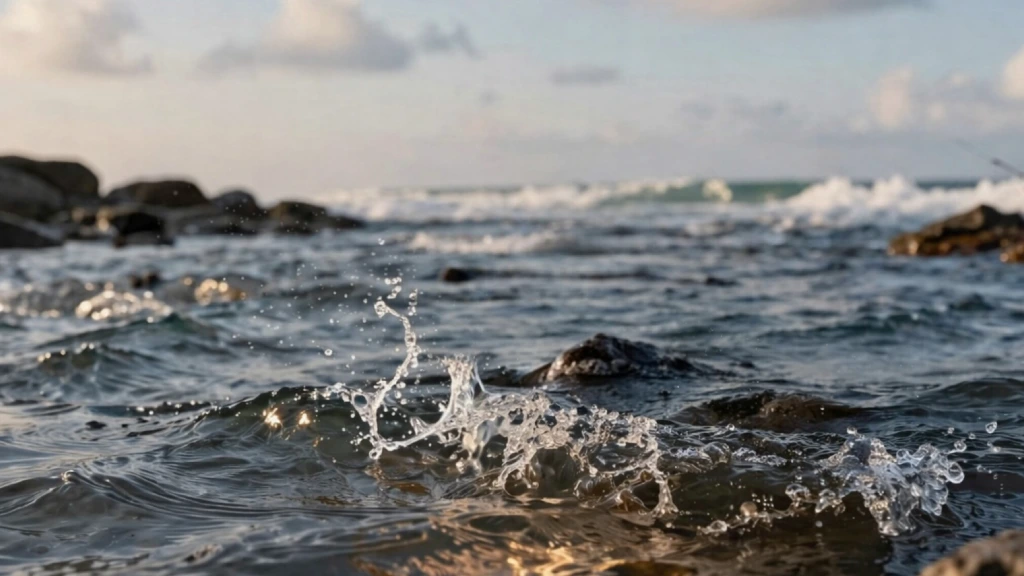
When searching for Dorado fish, you’ll find them chiefly near floating debris such as sargassum and weed lines, both in tropical and subtropical oceans and in freshwater river systems.
Dorado fish are commonly found around floating debris like sargassum in tropical and freshwater habitats.
In pelagic environments, Dorado inhabit open waters up to 280 feet deep, often associating with driftwood or sargassum mats that concentrate prey.
In freshwater, particularly the Golden Dorado, they prefer fast-flowing rivers with rocky substrates and temperatures between 20-28°C.
These conditions are primarily found within basins like the Paraná and Río de la Plata.
You should focus on these habitats because Dorado exploit these structures for ambushing prey.
Their distribution is cosmopolitan in tropical and temperate waters, so identifying floating cover or river currents around rocky outcrops increases your chances of locating them effectively for fishing.
Environmental factors such as water temperature and salinity can also influence Dorado behavior and habitat preference.
When to Fish Dorado During Migration and Spawning?
If you’re planning a fishing trip for Golden Dorado, you’ll definitely want to time it right.
The best chances come during their peak spawning seasons, which usually happen in the spring and summer. That’s when these fish migrate upstream, and let me tell you, they can travel up to 400 kilometers just to reach their spawning grounds!
Understanding their migration patterns is key.
They tend to stick to fast-flowing river sections during these times. So, if you can track their seasonal movements, you’ll have a much better shot at finding those dense schools of Dorado when they’re on their reproductive runs. Seasonal migration patterns are crucial for predicting fish locations in many species. Happy fishing!
Peak Spawning Seasons
Although Dorado fish exhibit migratory behavior throughout the year, their peak spawning seasons occur primarily during spring and summer. This is when water temperatures rise to ideal levels of 20-28°C.
During this period, females migrate upstream, often covering distances up to 400 km to reach suitable spawning grounds. You’ll find them concentrated near fast-flowing river sections with rocky substrates, which provide optimal conditions for egg development.
Females lay up to 2 million eggs, maximizing reproductive success. Spawning activity intensifies as temperatures stabilize within this range, directly influencing their reproductive physiology and behavior.
When you fish during these peak seasons, targeting upstream migration corridors increases your chances of success. Dorado aggregate in predictable locations. Understanding these seasonal patterns helps you align your fishing efforts with their biological cycles.
Migration Timing Patterns
Because Dorado fish undertake extensive upstream migrations during their spawning season, anglers can optimize their efforts by aligning fishing activities with these predictable timing patterns.
Typically, migration occurs in spring and summer when water temperatures range from 20 to 28°C, triggering spawning behavior.
Dorado travel up to 400 km upstream in river basins like the Paraná and Río de la Plata, favoring fast-flowing sections near rocky structures.
You should focus on these periods when females move to lay up to two million eggs, as fish density increases markedly.
Monitoring local hydrological cues, such as rising water levels and temperature shifts, enhances timing accuracy.
Similar to bluefin tuna, migration and spawning behaviors are closely tied to environmental drivers like water temperature and currents.
Choosing the Best Baits and Lures for Dorado
When targeting Dorado, selecting the most effective baits and lures hinges on mimicking their natural prey and exploiting their aggressive feeding behavior.
Dorado primarily feed on small fish, squid, insects, and crustaceans, so your bait choice should reflect this diet. Consider these key options:
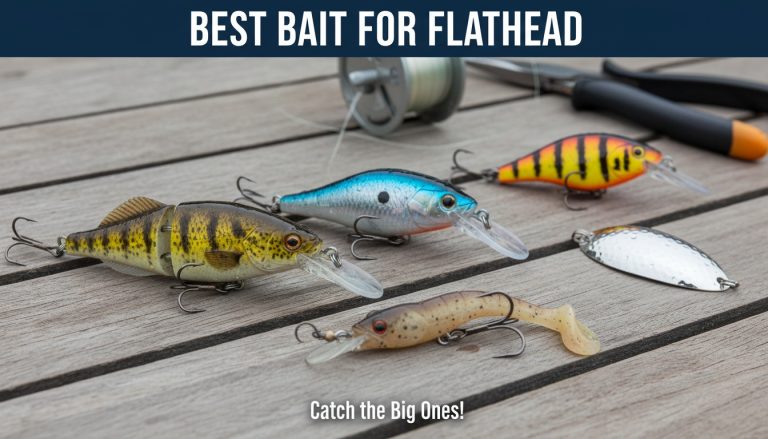
- Live baitfish: Use mullet-like Sabalo or small prochilods to closely imitate Dorado’s favored prey.
- Artificial lures: Opt for brightly colored plugs or spoons that simulate small fish movements and flashes.
- Soft plastic swimbaits: Choose those with realistic swimming actions and natural coloration.
- Crustacean imitations: Incorporate shrimp or crab-like lures with textured bodies to trigger strikes.
Using lures with realistic action and durable materials can significantly improve your chances of provoking aggressive strikes and reducing gear failure.
Fishing Near Floating Debris and Sargassum
Frequently, Dorado congregate near floating debris and sargassum, exploiting these structures as hunting grounds. The abundance of prey species sheltering beneath makes these areas prime fishing spots.
When you fish here, focus on casting lures mimicking small fish or crustaceans. Dorado actively ambush prey in these zones. The floating debris provides shelter and attracts baitfish, increasing your chances of a strike.
Use steady retrieval with occasional pauses to simulate natural prey movement. Selecting lures with a balanced natural swim action can improve your chances of enticing strikes in these environments.
| Emotion | Reason | Fishing Impact |
|---|---|---|
| Excitement | High prey density | Increased strike opportunities |
| Anticipation | Ambush predator behavior | Requires precise lure presentation |
| Satisfaction | Successful targeting strategies | Efficient use of time and gear |
| Focus | Complex underwater structures | Necessitates skillful casting |
| Reward | Visual strikes and fights | Memorable catch experiences |
Catching Dorado in Fast-Flowing River Waters
Although Dorado are known for their pelagic habits, targeting them in fast-flowing river waters requires a distinct approach.
The Golden Dorado inhabits warmer rivers with temperatures between 20-28°C, often near rocky structures where currents concentrate prey.
To effectively catch them here, you should:
- Focus on eddies and behind rocks where Dorado ambush prey.
- Use lures or baits mimicking small fish, their primary diet.
- Fish during spring-summer upstream migrations when activity peaks.
- Adjust casting angles to counteract strong currents for better lure control.
Understanding their behavior as apex predators in these habitats enhances your chances.
Fast-flowing waters demand precise placement and timing to exploit their hunting patterns, making your fishing both strategic and scientifically informed.
For optimal lure control and casting effectiveness, consider using casting angles and presentation techniques tailored to strong currents.
Equipment and Tackle for Landing Big Dorado
Selecting the right equipment and tackle is essential for successfully landing a big Dorado, given their powerful strikes and fast swimming speed.
Choosing proper gear is crucial for landing big Dorado due to their strength and speed.
You should use a medium-heavy to heavy spinning or baitcasting rod, measuring 7 to 8 feet, to provide adequate backbone and leverage.
Pair it with a high-capacity reel featuring a smooth drag system capable of handling line tensions exceeding 20 pounds.
Use braided line with a test strength of 30 to 50 pounds for abrasion resistance and sensitivity, complemented by a 20- to 40-pound fluorocarbon leader to reduce visibility and withstand sharp teeth.
Equip your rig with strong, sharp hooks sized 2/0 to 4/0, and employ wire or heavy fluorocarbon leaders when targeting larger specimens to prevent bite-offs.
For optimal performance and durability in saltwater conditions, consider reels made from aerospace aluminum or graphite with corrosion-resistant features.
Managing Dorado’s Speed and Aggressive Strikes
Because Dorado exhibit exceptional speed and aggressive strikes, you need to anticipate their sudden bursts and strong runs during the fight.
Managing these behaviors requires precise control and quick reflexes to prevent line breakage or hook loss.
Focus on maintaining steady pressure while allowing brief line release during powerful runs to avoid snapping your tackle.
To effectively manage Dorado’s speed and strikes:
- Use a high-strength, low-stretch line to absorb shocks without losing sensitivity.
- Apply consistent drag settings, adjusting dynamically as the fish accelerates.
- Employ quick rod movements to counter sudden directional changes and aggressive lunges.
- Stay alert for surface jumps, preparing to reduce line tension rapidly to avoid dislodging the hook.
Mastering these techniques increases your chances of landing this formidable predator.
Additionally, using the correct rod action can improve control and help manage the fish’s powerful runs more effectively.
Targeting Dorado During Their Spawning Runs
Sure! Here’s a more conversational version of the text:
—
If you’re looking to catch Dorado, the best time to do it’s during their peak migration in the spring and summer. That’s when they head upstream to spawn, and it’s a great opportunity for anglers like you.
When you’re out there, try focusing on the fast-flowing river sections, especially those near rocky structures. Those spots are prime locations and can really boost your chances of landing a catch.
Also, don’t forget about bait! Using something that mimics their natural prey—like small fish or crustaceans—can really make a difference. Trust me, during these spawning runs, it’s one of the most effective strategies you can use.
Similar to crappie, fish often target areas with submerged structures that provide shelter and feeding opportunities during seasonal movements.
Happy fishing!
Timing Peak Migration
When targeting Dorado during their spawning runs, understanding the timing of their peak migration is vital for successful fishing.
These fish migrate upstream primarily in spring and summer, driven by water temperature and photoperiod changes. You’ll want to focus on these factors to predict best fishing windows.
- Water Temperature: Peak migration occurs when river temperatures range from 20 to 28°C, stimulating spawning behavior.
- Seasonality: Spring to early summer aligns with increased upstream movement for reproduction.
- Day Length: Longer daylight hours signal spawning readiness and trigger migration.
- Hydrological Conditions: Stable flows with moderate current support efficient upstream travel.
- Additionally, migratory patterns are often influenced by variable salinity levels, affecting habitat preference and movement timing.
Ideal River Locations
Identifying ideal river locations during the spawning runs of Golden Dorado markedly improves fishing success. You should focus on fast-flowing waters with rocky substrates, primarily within the Paraná and Río de la Plata basins, where these fish migrate upstream up to 400 km.
Ideal temperatures range between 20-28°C, supporting spawning activity. Target areas near structural complexities such as submerged rocks and boulders, which provide shelter and feeding opportunities during migration.
Avoid stagnant or slow-moving waters, as Dorado prefer oxygen-rich currents. Seasonal timing coincides with spring-summer, aligning with their reproductive cycle.
Locating these habitats demands understanding local river morphology and temperature profiles. By concentrating efforts on these scientifically identified zones, you increase your chances of intercepting Golden Dorado during peak spawning runs, thereby enhancing catch rates efficiently.
Effective Bait Choices
Select baits that closely mimic the Golden Dorado’s natural prey during their spring-summer spawning migration to maximize effectiveness. During this period, Dorado aggressively target small fish and crustaceans near riverbanks and rocky structures.
You should focus on presenting baits resembling their favored species to trigger strikes.
Consider these bait options:
- Live or dead Sabalo fish imitations, matching size and color.
- Artificial lures replicating streaked prochilod, incorporating erratic swimming motion.
- Soft plastic crustacean imitations to simulate natural forage.
- Small, shiny spoons or spinnerbaits reflecting light like fish scales.
Using these scientifically informed bait choices increases your chances of enticing Dorado during their migratory feeding frenzy. This aligns with their predatory preferences and environmental cues.
Safety and Conservation Tips for Dorado Fishing
Although dorado fishing can be exhilarating due to their speed and strength, adhering to safety protocols is essential to protect both anglers and fish populations.
You should wear appropriate gear, such as non-slip boots and gloves, to prevent injuries from sharp fins and hooks. Use barbless hooks or circle hooks to minimize harm during catch-and-release.
Handle dorado carefully, supporting their body to avoid scale damage. Conserve populations by observing local regulations on size limits and seasonal closures, especially during spawning migrations.
Avoid fishing in heavily polluted or overfished areas to guarantee ecosystem stability. Dispose of fishing lines and bait containers responsibly to reduce environmental impact.
Frequently Asked Questions
What Are the Physical Differences Between Male and Female Golden Dorado?
You’ll notice female golden dorados are larger than males, often reaching greater sizes and weights.
Females mature at 4-5 years, just like males, but they tend to live longer, sometimes over 15 years.
Both sexes share the species’ characteristic vibrant golden coloration and large scales, but size is the key physical difference you’ll observe.
Females dominate in overall body mass and length.
How Long Do Golden Dorado Typically Live in the Wild?
Imagine a golden flash darting through fast-flowing rivers; that’s a golden dorado living its vibrant life. These fish typically live over 15 years in the wild, reaching maturity between 4 to 5 years.
Their lifespan supports extensive spawning migrations upstream, ensuring species survival. You’ll find that their longevity and growth depend on environmental factors, such as water temperature and habitat quality. These factors influence their remarkable endurance in diverse South American river systems.
What Is the Typical Diet of Dorado Throughout the Year?
You’ll find that dorado primarily feed on small fish, squid, insects, and crustaceans year-round. Their voracious appetite targets mullet-like Sabalo and streaked prochilod, among other fish species.
As apex predators, they also consume small vertebrates like rodents and birds occasionally. Their diet shifts slightly with seasonal prey availability, but they consistently raid baitfish congregating under floating debris.
They maintain a piscivorous diet throughout the year to support their energetic lifestyle.
Which Regions Have Introduced Populations of Golden Dorado?
You might be surprised to learn that the Golden Dorado hasn’t confined itself to its native South American rivers.
It’s been introduced to several Brazilian basins, including Doce, Paraíba do Sul, Iguazu, and Guaraguaçu.
These fish now thrive beyond their original habitats, adapting well to these new environments.
How Far Upstream Do Golden Dorado Migrate to Spawn?
Golden dorado migrate upstream approximately 400 kilometers to spawn during the spring and summer seasons.
You’ll find them moving through river systems like the Paraguay, Paraná, and Uruguay basins.
This extensive migration supports their reproductive cycle, as females lay up to 2 million eggs.
Understanding this distance helps you anticipate their presence in various river stretches during spawning, which is essential for studying their behavior and ecology in freshwater habitats.
Chasing Dorado with Skill and Sustainability
You’ll find dorado in both calm, floating debris and fast-flowing river waters, each demanding different tactics.
While their aggressive strikes and speed challenge your skills, understanding their migration and spawning times increases your success.
Balancing precise equipment with conservation guarantees you respect their ecosystem. By mastering these contrasts, you’ll optimize your catch while supporting sustainable dorado populations.