Can Koi Carp Eat Bread: What Every Owner Should Know
You can feed bread to koi carp occasionally, but stick to whole wheat or brown varieties for their beneficial vitamins, minerals, and fiber.
Avoid white or seeded breads since they often cause bloating, digestive distress, and deteriorate water quality.
Always cut bread into small pieces and feed sparingly, ideally no more than 5–10% of their diet, to prevent health issues like obesity and impaired digestion.
For better koi nutrition and care, explore ideal feeding practices and alternatives.
Key Takeaways
- Koi carp can eat bread occasionally, but it should only make up 5–10% of their diet to avoid health issues.
- Whole wheat or brown bread is preferable due to higher fiber and nutrient content compared to white or seeded bread.
- White and seeded breads increase risks of bloating, digestive distress, and water quality deterioration and should be avoided.
- Bread should be cut into small pieces, husks removed, and rinsed to reduce digestive strain and prevent bloating.
- Feed bread sparingly, ideally once or twice a week, and only when water temperature is above 65°F for proper digestion.
Is Feeding Bread Safe for Koi Carp?
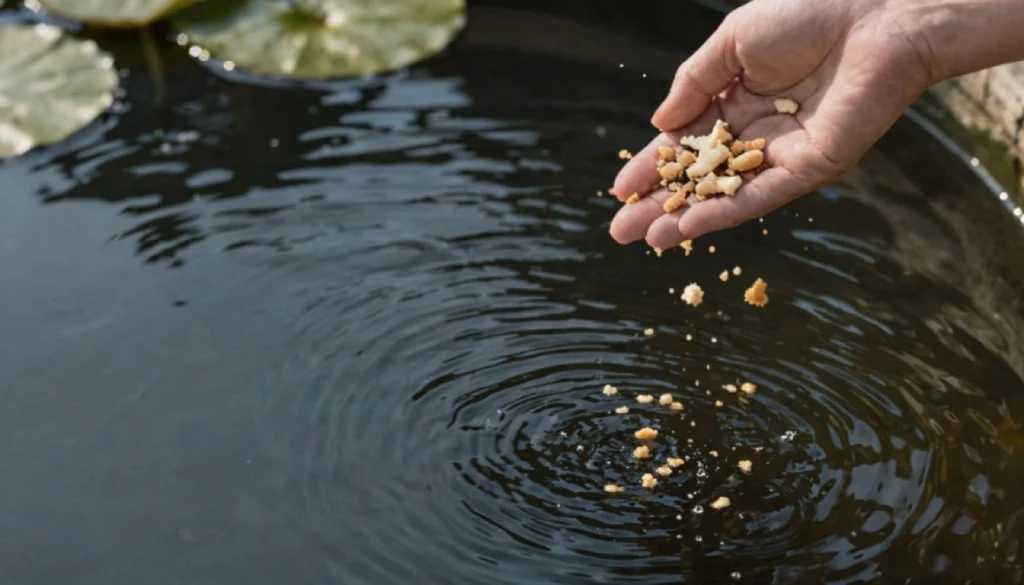
Although koi carp will often eat bread voraciously, feeding it to them regularly isn’t entirely safe due to its nutritional composition and digestive effects.
Bread contains high carbohydrate levels that koi find difficult to digest, potentially causing bloating and digestive distress.
White bread, lacking nutritional value, is particularly problematic and has been linked to severe bloating and even mortality.
Overfeeding bread can lead to gut expansion, further impairing digestion.
While some breads contain vitamins and minerals, the risks of rapid consumption and the indigestibility of certain ingredients outweigh benefits.
You should limit bread to occasional treats, ensuring koi receive balanced diets primarily from specialized pellets.
This approach minimizes health risks like obesity, weakened immunity, and poor water quality associated with excessive bread feeding.
Which Bread Types Are Best for Your Koi?
When you’re picking out bread for your koi, whole wheat is definitely the way to go! It’s packed with valuable vitamins, minerals, and dietary fiber that can really support their health.
On the flip side, you’ll want to steer clear of white bread. It’s not very nutritious and its high carbohydrate content can lead to bloating and digestive issues for your fish.
And hey, what about seeded breads? They might seem like a good option, but they come with their own risks. They can potentially lead to hyperglycemia and fat deposits, so it’s best to use them sparingly and with a bit of caution.
Always ensure your koi’s diet includes appropriate foods to maintain optimal health and nutrition.
Whole Wheat Benefits
Choosing the right type of bread can markedly influence your koi’s health, with whole wheat varieties offering distinct nutritional advantages. Whole wheat bread contains essential vitamins, minerals, and dietary fiber that support digestion and overall well-being.
The fiber aids in regulating gut motility, reducing the risk of bloating and constipation common with low-fiber breads. Additionally, whole wheat provides complex carbohydrates that release energy slowly, helping maintain stable glucose levels and preventing rapid fat deposition.
When feeding whole wheat bread, make sure you remove husks and cut it into small portions to facilitate digestion. Rinsing off excess starch reduces digestive strain. Remember, whole wheat bread should remain a supplementary treat, not a staple, to avoid nutrient imbalances and maintain peak koi health and water quality. Environmental factors such as fish habitat density can impact feeding behavior and growth, making it important to consider your koi’s living conditions when selecting treats.
Risks of White Bread
Because white bread lacks essential nutrients and contains high levels of simple carbohydrates, feeding it to koi can lead to serious digestive issues such as bloating and rapid fat accumulation.
You should avoid making white bread a regular part of their diet, as its high carbohydrate content is difficult for koi to digest and may cause fatal bloating.
Instead, focus on whole-grain options that provide dietary fiber and vitamins.
Consider these risks of white bread for your koi:
- Causes rapid fat deposits around organs due to excess carbohydrates.
- Leads to digestive distress, including swelling and impaired gut function.
- Lacks vitamins and minerals, resulting in weakened immunity and stunted growth.
- Increases water fouling from uneaten, expanding bread pieces in the pond.
Choose bread types carefully to maintain koi health and longevity.
Seeded Bread Considerations
Although seeded bread may seem like a nutritious option, it poses significant health risks to koi carp due to its high carbohydrate content and potential to induce hyperglycaemia.
The seeds increase fat and calorie density, which can contribute to fatty deposits around organs, impairing koi health. Additionally, koi have limited ability to digest the complex carbohydrates and fiber found in seeded bread, leading to digestive strain.
If you choose to offer seeded bread, do so sparingly and make certain portions are small to minimize metabolic stress. Compared to whole wheat or brown bread, seeded varieties shouldn’t be a staple.
Prioritize feeding natural, low-carbohydrate options and use bread only as an occasional treat to maintain balanced nutrition and avoid long-term health complications in your koi.
Proper storage conditions of fish food are essential to maintain its nutritional quality and prevent spoilage that could harm koi health.
Why Is White Bread Harmful to Koi Carp?
Feeding white bread to koi carp introduces significant digestive challenges due to its high carbohydrate content and lack of essential nutrients. When you offer white bread, you expose your koi to several risks:
- White bread’s refined carbs are difficult for koi to digest, leading to gastrointestinal distress.
- Its low fiber and nutrient profile fail to support the koi’s metabolic needs, causing malnutrition over time.
- The rapid fermentation of white bread in the gut can cause bloating and gas accumulation.
- Repeated exposure may weaken immune function, increasing susceptibility to disease.
Because white bread lacks vitamins, minerals, and dietary fiber, it’s unsuitable as a regular koi food.
It may contribute to digestive disorders and health decline.
What Happens If You Overfeed Bread to Koi?
When you overfeed bread to koi, their digestive systems struggle to process the excessive carbohydrates, leading to serious health complications.
The high carbohydrate content in bread, especially white varieties, causes bloating and distension of the gut due to its rapid expansion in the stomach.
This can result in impaired digestion and nutrient absorption, weakening the fish’s immune response.
Excessive consumption also promotes fatty deposits around internal organs, increasing the risk of obesity and metabolic disorders.
Overfeeding bread contributes to increased waste production, deteriorating water quality and causing additional stress to koi.
Additionally, continuous intake of low-nutrition bread can stunt growth and shorten lifespan.
Consequently, bread should only be offered sparingly as a treat, ensuring koi maintain a balanced, nutrient-rich diet for peak health.
Proper handling and environmental conditions are crucial to reducing stress and supporting carp physiological balance during feeding and care.
Better Food Alternatives to Bread for Koi Carp
To reduce health risks associated with bread, you should consider more suitable dietary options that support koi carp’s nutritional needs.
Bread often lacks essential nutrients and can cause digestive issues. Instead, focus on foods that improve growth, digestion, and immunity without adverse effects.
Here are four better alternatives:
- Whole-grain pasta or cooked rice (unsalted and rinsed) provide digestible carbohydrates with minimal risk of bloating.
- Oatmeal flakes serve as a fiber-rich delicacy promoting gut health.
- Spirulina algae supplements enhance immune function, growth rate, and digestion.
- Low-carbohydrate fruits and vegetables supply essential vitamins and minerals while reducing fat accumulation.
These options maintain koi health more effectively than bread, which should only be an occasional treat if fed at all.
How to Prepare Bread Properly for Feeding Koi?
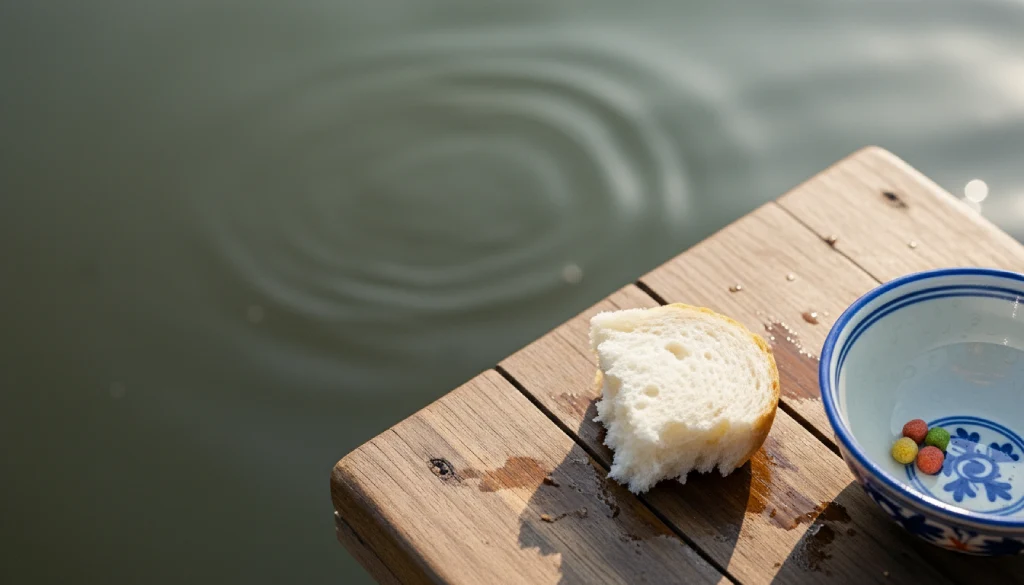
When you’re getting ready to feed your koi some bread, it’s best to go for whole wheat or brown bread. These options give your fish some essential nutrients and help keep their digestion on track.
So, grab that bread and slice it into small, manageable pieces. Oh, and don’t forget to take off any husks—this little step makes it easier for your koi to digest and cuts down on the risk of bloating.
Now, let’s talk about portion sizes. It’s super important to be mindful of how much bread you’re giving them. Overfeeding can really mess with the water quality and, ultimately, your fish’s health.
To maintain optimal feeding conditions, ensure you store your bait in cool, ventilated areas to prevent spoilage and protect water quality.
Choosing Suitable Bread Types
Selecting the right type of bread and preparing it correctly plays a crucial role in minimizing health risks for koi carp.
You should focus on bread types that offer nutritional benefits and reduce digestive strain.
Consider these guidelines:
- Choose whole wheat or brown bread for vitamins, minerals, and dietary fiber. Avoid white bread, which lacks nutrition and causes bloating.
- Avoid seeded breads to prevent hyperglycaemia and fatty deposits accumulation in organs.
- Limit bread feeding to occasional treats, not a staple, to prevent digestive overload from high carbohydrates.
- Opt for bread without additives or preservatives and make sure it’s fresh to minimize potential toxins.
Additionally, just as outdoor gear requires proper maintenance and care to ensure lasting protection, feeding practices should support koi health through moderation and quality.
Preparing Bread For Feeding
Properly preparing bread before feeding it to koi carp markedly reduces digestive stress and health risks associated with high carbohydrate intake.
Start by selecting whole wheat or brown bread, avoiding white or seeded varieties to minimize digestive complications.
Peel any husks and cut the bread into small, manageable pieces to facilitate easier digestion.
Rinse these pieces briefly in clean water to remove excess starch, which can expand in the gut and cause bloating.
Optionally, you can mix small amounts of raw, unprocessed honey to enhance antimicrobial properties and improve palatability.
Always remove any uneaten bread promptly to prevent water quality degradation.
These preparation steps make certain the bread serves as a safe, occasional treat rather than a harmful staple, supporting koi health without overwhelming their digestive systems.
Serving And Portion Control
Controlling portion sizes guarantees that koi receive bread as a safe, occasional treat without overwhelming their digestive system or compromising water quality. You should limit bread to no more than 5-10% of their total diet, feeding only when water temperature exceeds 65°F to make sure proper digestion.
Follow these guidelines for serving and portion control:
- Cut bread into small, manageable pieces to prevent overfeeding and reduce bloating risk.
- Offer bread sparingly, once or twice weekly, avoiding daily feeding to minimize digestive stress.
- Remove uneaten bread promptly to maintain water quality and prevent bacterial growth.
- Prefer whole wheat or brown bread with added honey, avoiding white or seeded varieties to reduce health risks.
When and How Often Should You Feed Bread to Koi?
Occasionally feeding bread to your koi can be safe, but it should never exceed 5-10% of their overall diet to prevent digestive issues and nutritional imbalances.
Only offer bread when water temperatures are above 65°F, as koi metabolism slows in colder conditions, impairing digestion.
Limit bread feedings to sparing treats, ideally once or twice weekly, to avoid excessive carbohydrate intake that leads to bloating and fatty deposits.
Choose whole wheat or brown bread, avoiding white or seeded varieties due to lower nutritional value and health risks.
Prepare bread by cutting into small pieces and rinsing starch to reduce gut expansion.
Always monitor koi behavior post-feeding and promptly remove uneaten bread to maintain water quality and prevent health complications related to overfeeding.
Proper feeding practices also help maintain water quality and support overall fish health.
Frequently Asked Questions
Can Baby Koi Eat Bread Safely?
You shouldn’t feed baby koi bread regularly, as their digestive systems are sensitive to high carbohydrates and low-nutrient foods.
Whole wheat or brown bread can be given sparingly, but white or seeded bread poses risks like bloating and hyperglycemia.
Always prepare bread by removing husks and cutting small portions, rinsing starch, and feeding only when temperatures exceed 65°F.
Prioritize specialized koi pellets and nutrient-rich alternatives for proper growth and health.
Does Bread Feeding Affect Koi Water Quality?
Yes, feeding bread to koi negatively affects water quality.
Bread’s high carbohydrate content leads to uneaten food and excessive waste, which decompose and increase ammonia and nitrite levels.
This deteriorates water parameters, stressing koi and promoting harmful bacteria growth.
To maintain peak water quality, avoid overfeeding bread, remove leftovers promptly, and limit bread treats to under 10% of their diet, emphasizing nutritionally balanced feeds instead.
What Are Signs of Bread Intolerance in Koi?
You’ll notice signs of bread intolerance in koi through bloating, especially a swollen or distended belly.
They might swim belly-up or show lethargy due to digestive discomfort.
Watch for reduced appetite, sluggishness, and unusual swimming patterns.
Excessive gas buildup and fatty deposits around organs can develop from poor carbohydrate digestion.
These symptoms indicate you should stop feeding bread and switch to more digestible, nutritionally balanced alternatives to protect your koi’s health.
Can Bread Cause Koi to Develop Fatty Liver?
Yes, bread can cause koi to develop fatty liver if fed excessively. High carbohydrate content, especially from white or seeded bread, leads to fat accumulation around organs, impairing liver function.
Overfeeding grains increases lipid deposits, weakening immunity and stunting growth. You should limit bread to occasional treats, prefer whole wheat or brown varieties, and avoid regular feeding to minimize fatty liver risk and maintain koi health.
Is It Safe to Feed Bread During Koi Breeding Season?
You might think feeding bread during koi breeding season sounds harmless, but it’s actually risky. High-carb bread strains digestion and can cause bloating, which impairs breeding health.
Since breeding koi need peak nutrition, avoid bread’s low-value carbs and focus on protein-rich, easily digestible foods. Feeding bread can weaken immunity and stunt growth, undermining reproductive success.
Stick to balanced diets and limit bread treats, especially when koi are preparing to spawn.
Think Beyond Bread: Nourish Your Koi the Right Way
While it might seem convenient to feed your koi carp bread, especially white bread, it’s important to understand the risks.
Bread lacks essential nutrients and can cause digestive issues if overfed. However, if you choose whole grain or specially prepared bread in moderation, it won’t harm them.
Still, for peak health, rely on balanced koi-specific foods. This approach guarantees your fish get the nutrients they need without the negative effects associated with regular bread.