Best Time to Fish for Northern Pike: Seasonal Tips That Work
You’ll catch the most northern pike during spring and fall when they actively feed in shallow, weed-filled waters at dawn and dusk. Aim for water temperatures between 55°F and 65°F, focusing on weed edges, creek mouths, and shallow bays.
Pike seek cooler, deeper spots in summer, making early morning and late evening your best bet. Adjust lures and tactics per season for success. Keep exploring to uncover precise techniques and prime regional spots.
Key Takeaways
- Spring, especially late April to early June, is prime for aggressive shallow water pike fishing during pre- and post-spawn periods.
- Pike are most active at dawn and dusk year-round, with evening also offering good feeding opportunities.
- Fall (late September to mid-October) sees increased pike feeding near weed edges as they prepare for winter.
- Summer pike move to cooler, deeper waters near thermoclines, making early morning and late evening best for fishing.
- Winter requires slow presentations or tip-ups near shallow weed beds, as pike are less aggressive under ice.
Prime Seasons for Northern Pike Fishing
When you target Northern Pike, understanding their seasonal patterns is key to maximizing your catch.
Mastering Northern Pike fishing starts with knowing their seasonal habits.
In spring, focus on shallow, weedy bays and creek mouths from late April to early June, as pike spawn there and show heightened aggression during pre- and post-spawn periods. Many regions have specific regulations during spawning season to protect the fish population. Using polarized lenses can enhance visibility in these shallow waters, making it easier to spot pike.
Early spring after ice-out offers abundant, active fish. Choosing sunglasses with effective glare reduction will help you see beneath the water surface despite bright reflection.
Summer shifts pike toward deeper, cooler waters by late July and August, but early summer still holds promise in shallows at dawn and dusk.
Fall is prime for both quantity and trophy pike; they return to shallow feeding flats from late September through mid-October, with cold fronts boosting activity.
Winter pike stay active under ice near shallow weed beds and drop-offs, though they’re less aggressive.
Optimal Water Temperatures for Pike Activity
Did you know that Northern Pike are most active when the water temperature is just right? They really thrive in that sweet spot between 55°F and 65°F. This is when they’re at their peak for feeding and movement, making it a great time to catch them! Their activity is also influenced by sensitivity and feedback, which helps them detect prey efficiently.
As the seasons change, you’ll notice some interesting behavior. In spring and fall, pike tend to move into shallower waters. Larger pike, however, tend to avoid water temperatures above 70°F and will seek out cooler, deeper waters during the heat of summer.
But when summer rolls around and the temperatures start to rise, they often retreat to deeper areas to stay comfortable.
Keeping track of these temperature patterns can give you an edge, helping you know when and where to target pike when they’re most likely to bite.
Ideal Temperature Range
Although northern pike can tolerate a range of temperatures, their ideal activity occurs between 16 and 21°C (61–70°F).
This is especially true for larger fish that seek cooler, deeper waters during warmer months. You’ll find that pike feeding and growth peak within this range, with 19–21°C (66–70°F) being physiologically best.
Smaller pike tolerate slightly warmer water, but mature, larger pike avoid temperatures above 21°C (70°F). They often retreat to cooler depths to maintain activity, as water temperature influences fish movement and behavior.
Temperatures exceeding 27°C (81°F) cause stress and reduce feeding. To fish effectively, focus on waters where temperatures remain within this ideal band, particularly along thermoclines in deep lakes. Their growth and size depend significantly on habitat and prey availability, making temperature an important factor in their development.
This is where pike sustain peak feeding behavior and growth. Understanding this temperature preference helps you target prime pike habitats and maximize your catch.
Seasonal Temperature Effects
Because northern pike feeding activity peaks during specific seasonal temperature shifts, targeting periods from spring through fall will boost your chances of success.
Pike become most aggressive as water temperatures cool from the low 60s°F (15–18°C), prompting migrations to shallow feeding flats. Rapid temperature changes in late summer and early fall also trigger intense feeding sprees. Their keen eyesight and lateral line help them detect prey effectively during these active feeding periods. Using live bait rigging techniques during these times can significantly enhance catch rates.
Below is a quick reference to help you pinpoint ideal conditions:
| Season | Water Temp (°F) | Pike Behavior |
|---|---|---|
| Spring | 50–60 | Post-spawn feeding surge |
| Early Summer | 60–70 | Active, seeking thermoclines |
| Late Summer | 70–75 | Stress risk rises, cautious |
| Early Fall | 60–65 | Peak aggression, feeding |
| Winter | <50 | Reduced activity, ambush |
Focus your efforts during transitional temperature phases for the best results.
Ideal Habitats to Target Northern Pike
You know, northern pike really love hanging out in shallow, weedy areas. It’s like their little hideouts where they can sneak up on their prey using all that dense vegetation. Pretty clever, right? Juveniles use deep water vegetation to avoid larger adults and gain protection during early development juvenile protection.
But, here’s the thing: when it gets warmer out, they tend to move to deeper, cooler waters. Think about spots near springs or drop-offs—those can be goldmines. Wearing sunglasses with UV protection is essential when fishing in these bright conditions to reduce glare and protect your eyes.
Shallow Weedy Areas
When targeting northern pike, focusing on shallow weedy areas can dramatically increase your chances of success.
These zones offer cover and ambush points where pike lie in wait amid dense vegetation like lily pads and coontail. Using weed fishing techniques can improve your approach in these complex habitats.
Target the edges of weed beds and clear pockets within for the best results.
Pike move into these areas during spring melt to spawn and feed, often lingering through summer.
Using weedless lures and casting beyond weed beds with slow retrieves will up your catch rate.
Because pike prefer to stay near weed bed edges where they can ambush prey, concentrating your efforts there is especially effective.
| Season | Location Type | Pike Behavior |
|---|---|---|
| Spring | Shallow bays, creeks | Spawning, feeding |
| Summer | Outer weed edges, pockets | Ambush, feeding |
| Low Light | Vegetated shorelines | Increased activity |
Deep Cool Water
Shallow weedy areas offer excellent opportunities in spring and summer. Northern pike prefer these cool-water environments for spawning and early growth.
As temperatures rise, northern pike often shift their focus to deeper, cooler waters. These fish rely on stable oxygen levels and temperature, which vary less in deeper zones.
During hot months, you’ll find large pike near the edge of vegetation or drop-offs in deep water, where temperatures hover around 60–65°F and oxygen levels stay higher.
These zones provide ideal hunting grounds as pike actively pursue schools of prey fish rather than ambushing.
To effectively target them, use deep-diving lures or trolling techniques near cooler inflows or springs.
Remember, deep water pike tend to be less aggressive when well-fed.
Timing your approach and selecting the right lure are key.
Strategically aiming for these cooler, oxygen-rich habitats increases your chances of landing trophy northern pike in freshwater environments.
Best Times of Day to Fish for Pike
Although pike feed throughout the day, the most productive times to fish are during dawn and dusk when they move into shallow waters and exhibit heightened aggression. Understanding water temperature and its effects on fish metabolism can help you better predict pike behavior during these times.
Early morning’s cooler temperatures trigger active hunting, allowing you to capitalize on their heightened feeding behavior before the day warms.
Late afternoon and evening also provide excellent opportunities as pike become increasingly aggressive during cooling periods, feeding intensely before nightfall.
In contrast, midday fishing is less reliable unless you target deeper, cooler water pockets or fish under cloudy, murky conditions that reduce light penetration and encourage pike activity. Water temperature is more critical than the time of year.
Adjust your strategy seasonally: summer heat skews activity toward early and late hours, while spring and fall offer extended midday feeding windows.
Effective Lures and Bait for Pike
Since northern pike respond to a variety of lure actions and presentations, choosing the right type can dramatically increase your catch rate. Focus on matching lure style and retrieval to pike behavior and water conditions. It is important to be ready for the northern pike’s mood, as they can be aggressive or lazy, which affects how they respond to lures. Selecting lures that can be easily organized and accessed from a specialized fishing pack can also improve efficiency during your trip.
Use jerkbaits for realistic baitfish mimicry, buzzbaits for explosive surface strikes, and spoons or spinners to attract with flash and vibration. Adjust colors and sizes to water clarity and depth for maximum effectiveness.
Thin minnow jerkbaits excel near structures with sharp or subtle twitches. Buzzbaits and topwater lures provoke aggressive, visually striking strikes. Blade, spoon, and spinner lures suit picky or deep pike with slow retrieves.
Swimbaits, jerkbaits, and chatterbaits offer durable options for casting or trolling. Select lures strategically to outsmart pike in varying conditions, carrying a variety of lures suited for both fast, loud action and slow, subtle movements. Using a pack with multiple compartments helps keep these lure types well-organized and protected.
Ice Fishing Techniques for Winter Pike
When targeting northern pike through the ice, timing and location play a major role in your success.
In late winter, focus on shallow bays and spring-fed areas where pike move to spawn. March is prime for targeting congregating pike near shallow weed-filled bays before spawning, making it an ideal month to plan your trips.
Position tip-ups about 10 feet off weed edges or brush piles in 6 to 12 feet of water, suspending deadbait 5 to 10 feet below the ice. Proper maintenance like cleaning felt shoes after fishing can help keep your gear in top condition.
Set tip-ups 10 feet from weeds in 6-12 feet deep water, bait 5-10 feet under ice.
Use multiple tip-ups strategically in diamond or grid patterns over flats and spawning bays.
Prepare deadbait by releasing air from swim bladders to guarantee natural sinking.
Avoid relying solely on jigging; deadbait tip-ups yield bigger pike.
Adjust your bait depth as pike migrate shallower with warming conditions.
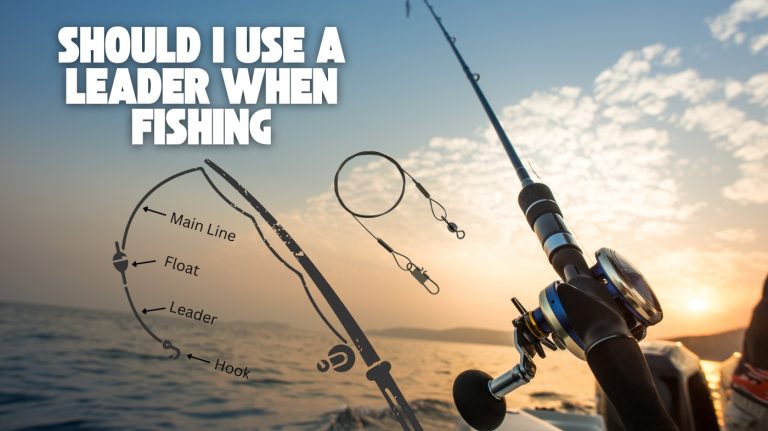
Move locations if you don’t get bites within an hour, and always use strong wire leaders to prevent bite-offs from these toothy predators.
Regional Hotspots and Pike Fishing Success
Mastering northern pike fishing means knowing where to focus your efforts. Regional hotspots offer the best opportunities to land trophy fish.
Canadian locations like Quebec’s Ottawa River provide clear waters ideal for sight fishing. Lake Nipissing in Ontario boasts large, accessible pike populations year-round. Northern Pike prefer shallow waters such as weedy bays and river mouths, which are prime spots for anglers to explore.
In the U.S., regions rich in aquatic vegetation, such as some Washington state lakes, support thriving pike habitats. Remote areas like Manitoba’s Cree River deliver exceptional catch rates and trophy sizes due to minimal fishing pressure.
Target lakes or rivers with abundant aquatic vegetation for ambush cover.
Prioritize clear water bodies for improved visibility and strike detection.
Explore less pressured, remote locations to find larger, more numerous pike.
Focus on structurally complex habitats like submerged logs and weed beds for higher pike density.
Seasonal Behavior and Feeding Patterns of Pike
Although northern pike inhabit a range of waters year-round, their behavior and feeding patterns shift dramatically with the seasons. This demands that you adjust your tactics accordingly.
In spring, pike move shallow for spawning and aggressive feeding. Summer heat drives them deep to cooler waters. Fall triggers a feeding frenzy near weeds and points, while winter slows their metabolism. This requires slow, deliberate presentations. In colder water, pike typically seek slower moving water, which influences where you should present your fly or lure.
| Season | Behavior | Strategy |
|---|---|---|
| Spring | Shallow, aggressive | Use spoons, spinnerbaits |
| Summer | Deep, cooler refuges | Target thermocline areas |
| Fall | Shallow, highly aggressive | Fish weed edges, points |
| Winter | Slow metabolism, active | Slow retrieves, tip-ups |
| Year-Round | Forage-dependent | Match local baitfish |
Frequently Asked Questions
How Does Moon Phase Affect Northern Pike Fishing Success?
You’ll catch more northern pike around new and full moons because their feeding spikes with stronger tides and increased water movement.
New moons boost nocturnal hunting thanks to darkness, while full moons offer multiple feeding windows day and night.
Avoid quarter moons since pike feeding drops due to weaker tides and less baitfish activity.
Timing your fishing during lunar transits, when the moon’s overhead or opposite, maximizes your chances with predictable bite windows.
What Fishing Gear Is Best for Northern Pike?
When chasing northern pike, you’ll want a 10-weight rod that dances like a warrior’s sword. Paired with a reel boasting at least 15 pounds of drag to tame these toothy beasts.
Use braided line rated 15–20 pounds and a 12-inch steel leader to outsmart their razor-sharp teeth.
Top it off with flashy spoons or large streamers, and don’t forget strong pliers to safely release your prize without losing the fight.
Can Northern Pike Be Caught at Night?
Yes, you can catch northern pike at night. They become more active feeders during dusk, dawn, and nighttime, especially in late fall when they move shallow.
To boost your chances, use dark, rattling lures or glow-in-the-dark options that create noise and movement. Target shallow weed beds and calm, clear waters near artificial lights.
Adjust your tactics to rely on vibration and scent, since pike use their senses to ambush prey in low light.
Are There Specific Regulations for Pike Fishing Seasons?
Yes, there are specific regulations for pike fishing seasons that vary by state and waterbody. You’ll need to verify local rules as open seasons, size limits, and bag restrictions differ widely.
For example, some states allow year-round fishing with no size limits, while others impose minimum lengths and closed periods.
Always consult your state’s fish and wildlife department to ensure you’re compliant and help protect northern pike populations effectively.
How Do Weather Changes Impact Pike Feeding Behavior?
Imagine pike like dancers responding to nature’s music. When barometric pressure drops, they leap aggressively, fueled by the changing tune.
Cold fronts act like stage lights, pushing them into shallow feeding spots, increasing their hunger.
You’ll notice they hunt intensely during low light and overcast days, exploiting shadows to ambush prey.
Turn Seasonal Pike Patterns Into More Consistent Catches
When you fish for northern pike, timing is your secret weapon. Target early spring and late fall when water temperatures spark their hunger, and focus on shallow, weedy spots at dawn or dusk for the best strikes.
Think of pike as tactical predators. Understanding their seasonal moods and feeding habits turns the odds in your favor.
With the right lure and strategy, you’ll be reeling in trophy pike like clockwork, no matter the season.