Best Place to Catch Peacock Bass in Florida: Expert Guide
If you want the best place to catch peacock bass in Florida, head to South Florida’s canals in Fort Lauderdale, Miami lakes, or Homestead’s Aerojet Canal.
These warm, clear waters with plenty of structure create perfect ambush spots for trophy-sized bass.
March through May offers peak feeding action when fast retrieves and topwater lures work great.
Want tips on gear, guided trips, and understanding their impact? Keep exploring for a complete fishing edge.
Key Takeaways
- Fort Lauderdale canals like Markham and Holiday Parks offer warm waters and structural cover ideal for year-round Peacock Bass fishing.
- Lake Ida near Delray Beach features shallow, muddy banks perfect for blind casting and trophy-sized Peacock Bass.
- Homestead’s Aerojet Canal provides clear water and excellent sight fishing, especially during the May–June spawning season.
- Miami’s Blue Lagoon and Snapper Creek canals concentrate Peacock Bass seasonally, benefiting from flooding and abundant cover.
- Southern Florida Keys hold some of the southernmost Peacock Bass populations, combining fishing with other outdoor activities.
Top Locations for Peacock Bass Fishing in South Florida
If you’re targeting peacock bass in South Florida, you’ve got several prime spots to explore that offer both accessibility and diverse fishing conditions.
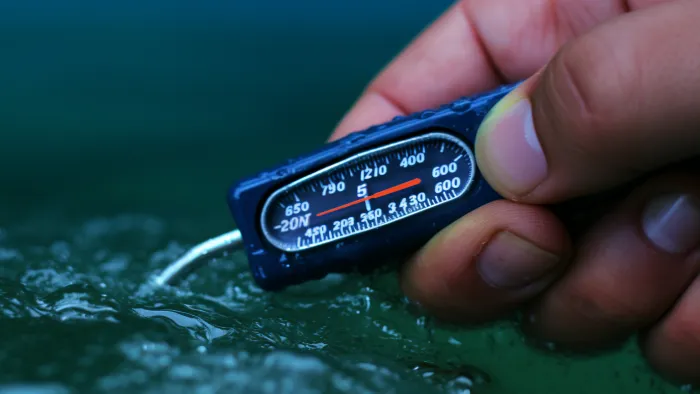
Fort Lauderdale’s extensive canal systems, including Markham and Holiday Parks, provide year-round warm waters and structures like bridges that attract aggressive fish. These canals also offer the unique chance to catch bullseye snakehead alongside peacock bass, adding variety to your fishing trip. Monitoring the water temperature can help determine the best times to fish these canals.
Fort Lauderdale’s canals and parks offer warm waters and prime structures that lure aggressive peacock bass year-round.
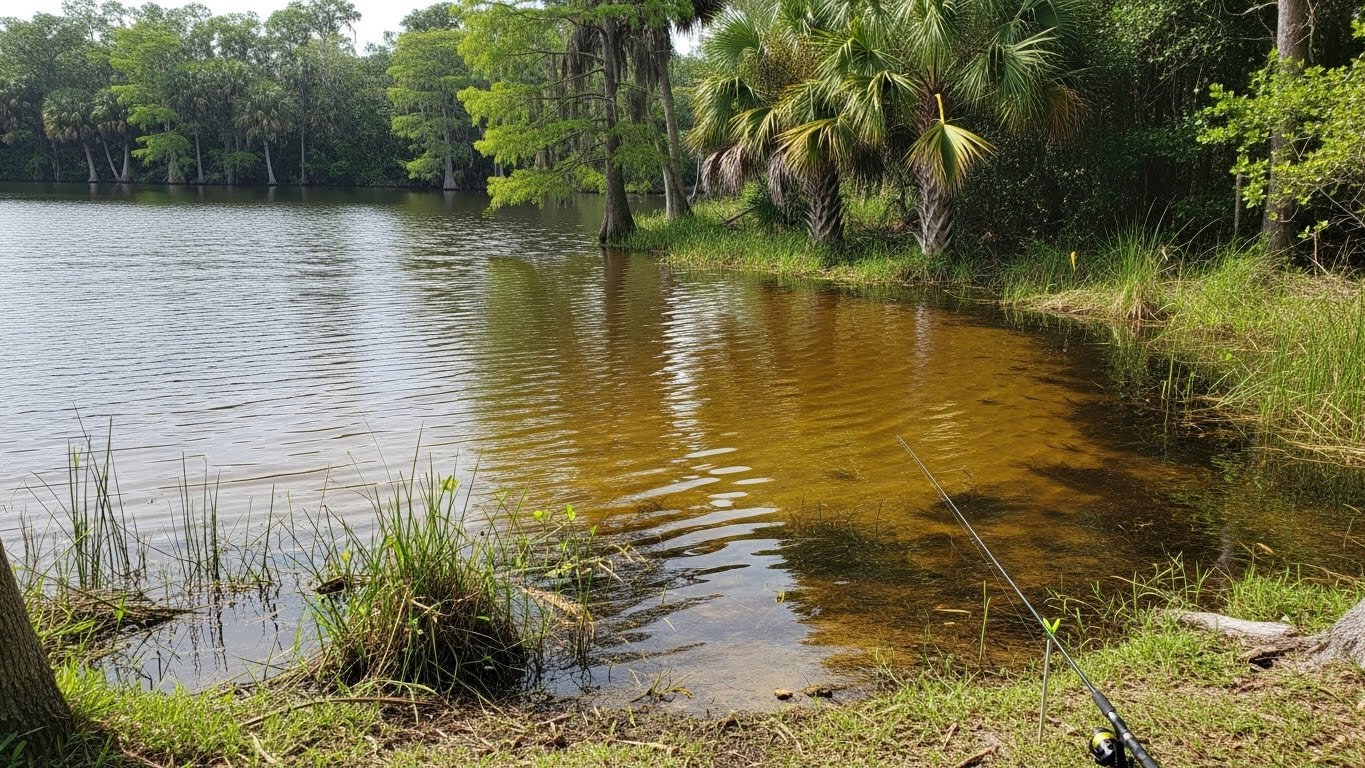
Near Delray Beach, Lake Ida’s shallow, muddy banks require blind casting but reward you with trophy-sized bass.
In Homestead, clear waters in places like Aerojet Canal let you sight cast large cruising bass, especially during the May-June spawn. The southernmost Florida peacock bass population here is close to the Florida Keys, combining excellent fishing with easy access to other outdoor adventures.
Miami’s lakes and canal systems, such as Blue Lagoon and Snapper Creek, flood seasonally, concentrating peacock bass and offering varied ambush points.
Each location offers unique challenges and opportunities, ensuring a rewarding experience whether you fish from shore or boat.
Ideal Water Conditions and Structures for Peacock Bass
Knowing the top locations for peacock bass fishing in South Florida sets you up to understand what makes these spots productive. Chiefly, the water conditions and structures attract and hold these fish.
Peacock bass thrive in warm waters above 60°F, favoring slow-flowing canals, ponds, and lakes with moderate movement. You’ll find them near submerged rocks, underwater vegetation, and woody debris, which are ideal ambush points. They cannot tolerate water temperatures below 60°F, limiting their distribution in colder months. Using proper fishing techniques around these structures increases your chances of a successful catch.
Canal walls, bridges, and drop-offs provide excellent cover, while clear water enhances their hunting efficiency. They avoid cold, fast currents and highly turbid waters. During spawning, they move to shallower areas with overhanging vegetation.
Recommended Fishing Techniques for Peacock Bass
To land a trophy Peacock Bass, you’ll want to gear up with the right tackle and master specific retrieval techniques that match their aggressive nature. Use medium-heavy rods with 12-20 lb braided line and fluorocarbon leaders for strength and sensitivity.
Fast, erratic retrieves trigger strikes, so vary your lure action and speed daily. Topwater lures and lipless crankbaits are excellent for provoking aggressive bites, especially with stop-and-go motions. Live bait like shiners also works well, especially during peak activity times. The best time to target Peacock Bass in Florida is generally from March through the end of May, when their feeding activity is highest during daylight hours seasonal peak. Recognizing and casting near natural and man-made habitats can significantly increase your chances of success.
Choose medium-heavy rods (around 7 feet) for control and power. Use braided line (15-30 lb) with fluorocarbon leaders to resist abrasion. Employ fast, erratic retrieves with stop-and-go or rip-pause-rip patterns. Cast topwater lures near cover with quick splashes to provoke strikes. Try live shiners in clear water for sight fishing during daylight hours.
Guided Tours and Charter Services in Florida
Mastering your tackle and techniques sets the foundation, but teaming up with a knowledgeable guide can elevate your Peacock Bass fishing experience in Florida. Many guides recommend reels with adjustable braking systems to help control casting in windy conditions.
South Florida charters, especially around Miami, Fort Lauderdale, and the Everglades, offer half- to full-day trips priced $650–$850 for two anglers. The Butterfly Peacock Bass is present year-round in South Florida waterways, making it a reliable target for anglers throughout the year.
These tours provide all tackle and gear; you handle bait, food, and licenses. Guides tailor trips to your skill level, employing fly fishing, spin, or light tackle.
Beyond peacock bass, expect chances to catch tarpon, snook, or clown knifefish. Popular spots include the Lake Ida chain and urban canals, offering diverse environments.
Booking’s easy, with many services featuring flexible schedules and high reviews. Photos and videos often come with your trip, creating lasting memories of your adventure.
Ecological Impact and Population Insights of Peacock Bass
Although peacock bass were introduced to South Florida relatively recently, they’ve established strong, self-sustaining populations in freshwater lakes, canals, and rivers, especially around Miami-Dade County.
Peacock bass have quickly established thriving populations in South Florida’s freshwater habitats, especially near Miami-Dade.
If you fish these waters, you’ll notice how well peacock bass thrive in warm, shaded habitats. They play a key role controlling invasive species like tilapia, benefiting native fish communities. The stocking program between 1984 and 1987 released approximately 20,000 fingerlings to help manage exotic forage fish populations. Their ability to adapt to a range of habitats contributes significantly to their success in Florida waters.
Here’s what you should know about their ecological impact and population:
- Introduced in the mid-1980s, now widespread from Ft. Lauderdale to Naples.
- Predator of invasive fish, helping balance ecosystems.
- Coexists with native species like largemouth bass and snook without displacement.
- Sensitive to cold; populations decline during cold snaps but rebound quickly.
- Supports a popular, regulated sport fishery attracting anglers and boosting local economy.
Frequently Asked Questions
What Is the Best Time of Day to Fish for Peacock Bass in Florida?
The best time to fish for peacock bass in Florida is early morning and late afternoon. You’ll find them more active during these cooler, low-light periods, making topwater strikes common.
Midday can be tougher since heat slows them down, but targeting shaded or deeper spots with slower retrieves helps.
During spawning season, you can also catch aggressive bass throughout the day, especially near nests.
Are There Any Fishing License Requirements for Peacock Bass in Florida?
Fishing for Peacock Bass in Florida requires a freshwater fishing license, like a key you need to open the sport.
If you’re between 16 and 64, you’ll have to get one; residents and non-residents alike.
You can buy it online, by phone, or at stores.
Temporary licenses work well if you’re just visiting.
Don’t forget, carrying your license while fishing is mandatory to avoid fines.
What Types of Bait Are Most Effective for Catching Peacock Bass?
You’ll find topwater lures like the Heddon Super Spook Boyo great for provoking explosive strikes with surface commotion.
Soft plastic jerkbaits, such as flukes, work well in heavy cover, letting you fish weedless and mimic erratic baitfish movement.
Hard crankbaits like the X-Rap excel for fast retrieves in deeper spots.
While live bait isn’t as common, worms or crickets can still be effective, especially in less pressured waters or certain seasons.
Can Peacock Bass Be Caught From Shore, or Is a Boat Necessary?
You can catch peacock bass from shore, especially in shallow areas with overhanging vegetation, bridge pilings, and canal edges.
Shore fishing works best during warm months and requires light tackle with topwater lures.
However, a boat gives you access to deeper water, larger fish, and multiple spots quickly.
If you want flexibility and better success, using a kayak or small boat is ideal, but shore fishing can still be productive in the right locations.
What Size and Type of Fishing Line Is Recommended for Peacock Bass?
You’ll want to use a 40 to 50-pound test braided line on spinning reels, or 50 to 65-pound test braid for baitcasting reels when targeting peacock bass.
Pair it with a 30 to 50-pound fluorocarbon leader about 6 to 7 feet long for abrasion resistance and invisibility.
Always use fresh braid to avoid line failure and adjust line strength based on lure size and fish size for the best control and hook-setting power.
Explore South Florida Waters for Consistent Peacock Bass Action
When fishing for peacock bass in Florida, remember that patience is key. Good things come to those who wait.
You’ll find the best spots in South Florida’s canals, lakes, and rivers with warm, clear water and plenty of submerged structures.
Use topwater lures or jigs to entice these aggressive fighters. Consider booking a guided tour to boost your chances and learn local tips. Respect the ecosystem to keep this thrilling fish thriving for years to come.