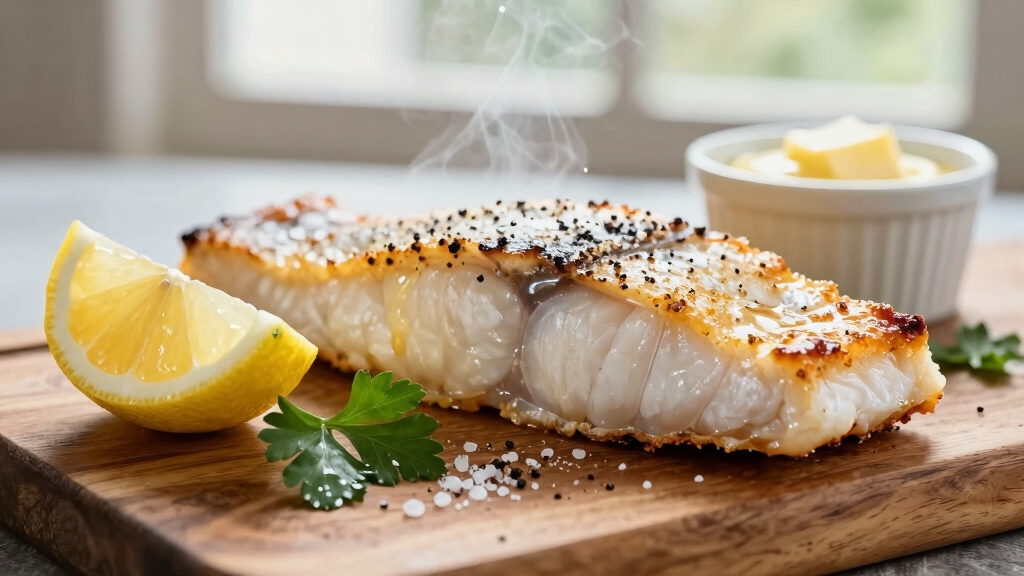
Are Rock Bass Good to Eat? Taste, Safety, and Cooking Tips
You’ll find rock bass to have firm, white, flaky flesh with a mild to moderately gamey flavor comparable to popular panfish like bluegill.
Their carnivorous diet and clean, cool freshwater yield dense, lean meat with subtle sweet and earthy notes.
Ideal eating size ranges from 10 to 12 inches for best texture and fillet yield.
Proper handling, seasonality, and cooking methods are key to enhancing taste and safety.
Explore further to understand how size, season, and preparation influence quality.
Key Takeaways
- Rock bass have firm, white, flaky flesh with a mild to moderately gamey flavor similar to other popular panfish.
- Optimal eating size is 10–12 inches, providing the best balance of fillet quantity and meat quality.
- Frying fillets with seasoned flour or soaking in saltwater reduces gaminess and enhances flavor.
- Best flavor and texture occur in clean, cold freshwater during spring spawning season; avoid warmer months.
- Proper cleaning and cooking eliminate parasites, ensuring safe and tasty consumption.
What Does Rock Bass Taste Like Compared to Other Fish?
When you compare rock bass to other members of the sunfish family, such as bluegills and pumpkinseeds, you’ll find their taste and texture remarkably similar.
Rock bass meat is white, firm, and flaky, matching the quality of bluegills and pumpkinseeds. When fileted and seasoned, their taste profile is indistinguishable from bluegills.
Side-by-side servings of rock bass, bluegill, or pumpkinseed fillets don’t reveal differences in flavor or texture. Rock bass are often caught as bycatch when targeting other popular species.
Their mild flavor makes them a great choice for beginner-friendly cooking methods.
Culinary applications and preparation methods yield comparable results across these sunfish species.
Unlike traditional bass species, rock bass lack strong fighting strength but still provide eating quality similar to panfish.
Overall, rock bass exhibits a mild to moderately gamey flavor with firm, flaky flesh, ranking equally within sunfish family members in both taste and texture.
How Does Rock Bass Diet Affect Flavor and Texture?
Understanding how rock bass diet influences their flavor and texture helps you appreciate why their flesh maintains a firm, flaky quality.
Rock bass primarily consume smaller fish such as yellow perch and minnows, alongside aquatic insects and crustaceans like crayfish.
Their feeding habits and the environmental conditions they experience can also affect their physiological state, which in turn impacts flesh quality through factors like metabolic rate and moisture retention.
This carnivorous, benthic feeding behavior results in lean muscle development and a dense, less watery texture.
The intake of crayfish adds subtle sweetness and enhances moisture retention, while minnows contribute a clean, neutral bass-like flavor.
Aquatic insects introduce mild earthy undertones, balancing the overall taste and preventing strong off-flavors.
Aggressive feeding during evenings and mornings guarantees fresh, vibrant meat quality.
Rock bass are known to reach a typical lifespan of up to about 10 years, which allows them to develop consistent muscle texture over time.
Compared to insect-dominant feeders, the fish-heavy diet of rock bass yields a firmer texture.
This makes their flesh both flavorful and consistently enjoyable.
How Does Water Quality Change Rock Bass Taste?
Water quality directly influences the taste and texture of rock bass by affecting their biochemical composition and contaminant levels.
Water quality shapes rock bass flavor and texture through biochemical changes and contaminant presence.
Higher salinity enhances sweet and umami amino acids while reducing bitterness, improving flavor complexity. Salinity also increases inosine monophosphate (IMP), a key nucleotide contributing to taste richness, and boosts water-holding capacity, minimizing drip and cooking loss.
These changes are linked to alterations in muscle myofibril structure, including decreased diameter and increased density, which affect flesh texture without changing collagen content myofibril structure changes.
Furthermore, environmental factors such as water temperature can modulate fish metabolism and flesh quality, indirectly impacting taste.
Conversely, poor water quality leads to contaminant accumulation, including mercury, heavy metals, and PCBs, as well as parasitic infections, which may compromise safety and sensory experience.
Clean, cold, and clear freshwater environments yield firmer, flakier, and milder rock bass meat, free from earthy or fishy off-flavors often found in murky or polluted waters. Proper cleaning removes visible parasites, maintaining taste quality.
Therefore, you’ll find rock bass from pristine waters markedly superior in flavor and texture compared to those from degraded habitats.
When Is the Best Season to Eat Rock Bass?
Rock bass are really active when it’s their spawning season in the spring. That’s when their flesh is at its peak firmness and taste, making it a great time to catch them. Cooler water temperatures during this time create optimal feeding conditions that enhance their activity.
As the seasons change, you’ll notice that the flavor and texture can vary. Early summer is still a good time to go after rock bass because the fillets maintain that nice firmness. But as the heat sets in, you might find that the fillets start to soften a bit.
Understanding the seasonal behavior of rock bass helps anglers know when the fish are most likely to be feeding actively and in prime condition for eating, especially during spring and early summer.
Ideal Spawning Season
Although the rock bass spawns primarily between April and early June when water temperatures range from 60 to 70°F, determining the best season to eat them requires more than just knowing their breeding period.
You need to take into account how spawning affects their physiology, such as energy allocation to reproduction, which may influence flesh quality and nutritional content.
During spawning, muscle mass may decrease as energy shifts to gonad development, potentially reducing meat yield.
Post-spawning, rock bass might regain condition, improving texture and taste. Early morning periods with elevated dissolved oxygen can stimulate fish metabolism, potentially affecting feeding behavior and condition.
However, without specific data on seasonal variations in meat quality, texture, and safety, it’s challenging to pinpoint an ideal harvest time solely based on spawning cycles.
Seasonal movement also influences their availability and condition, as rock bass move between shallow and deeper waters depending on temperature and cover.
Thorough analysis of these factors is essential to establish the best season for consumption scientifically.
Seasonal Taste Variations
Because cooler spring temperatures enhance rock bass palatability, you should target consumption before water warms substantially.
During spring, the fish’s meat is rated as pretty good, featuring firm, white, flaky flesh with mild flavor comparable to bluegills.
As water temperature rises into summer, quality declines sharply due to increased off-flavors and parasite prevalence, which negatively affect taste.
Most anglers avoid keeping rock bass in warmer months, aligning with forum consensus.
You’ll find that frying the fillets improves flavor by masking natural gaminess, especially when seasoned flour is used.
Consuming rock bass post-spring warming risks encountering diminished meat quality and stronger gamey undertones.
Hence, for prime taste and safety, prioritize spring harvests when cooler conditions enhance the fish’s overall edibility and flavor profile.
Using live bait that corresponds with the rock bass’s natural diet during spring can increase your chances of a successful catch.
Selecting rock bass between 10 and 12 inches offers the best balance of fillet quantity and meat quality. At this size, the fish typically weighs between 3/4 and 1 pound, providing firm, white, flaky meat with ideal flavor.
Rock bass are often described as bigger than sunnies, which makes them a satisfying panfish choice. To preserve the quality of the meat, it is important to minimize stress and avoid prolonged air exposure during handling.
Rock bass smaller than 9 inches generally yield insufficient fillet mass and are often released to promote population health. Fish exceeding 16 inches risk over-maturity, which can degrade texture and increase toxin accumulation.
Filleting specimens in the 9 to 12-inch range is straightforward. Soaking fillets in saltwater reduces gaminess. Compared to smallmouth bass of similar or larger size, rock bass in this range consistently deliver superior taste.
Cooking thoroughly is essential to eliminate parasites that can inhabit larger individuals. It is also advisable to check under the gill plate for worms when keeping rock bass to ensure quality and safety.
Where Can You Find Rock Bass That Taste Good?
To track down rock bass that taste good, focus on waters east of the Mississippi River, especially slow-moving rocky creeks and small rivers where these fish thrive.
These habitats, prevalent in the Northeast and West Virginia’s New River, provide ideal conditions with deep holes, rocky creek beds, and pocket water formations.
Rock bass are present in just about every state east of the Mississippi, making them accessible in many locations. These environments often feature habitat complexity that supports abundant forage and shelter.
For tasty rock bass, seek slow-moving rocky creeks and small rivers east of the Mississippi River.
Look for flooded vegetation and foam-covered pockets, which increase feeding opportunities. Clear water encourages aggressive feeding, which you can test by casting larger lures or 3-inch jerkbaits.
Rock bass here tend to grow quickly to 7-10 inches and show scrappy fighting behavior, indicating healthy populations. Seasonal timing matters: spring and summer offer the best access and largest fish due to water level changes and forage concentration.
Targeting these specific environments will increase your chances of finding rock bass with desirable taste and size.
How Should You Prepare Rock Bass for Cooking?
When preparing rock bass for cooking, start by filleting the fish with careful, deliberate cuts to maximize meat yield and minimize bone contamination.
Make an initial incision behind the gill plate and along the belly, then follow the backbone from head to tail, carefully separating the meat from the rib cage.
Skin the fillet by sawing gently with downward pressure, ensuring no meat is wasted.
Before cooking, prepare a breading or dredging mixture and evenly coat the fillets.
Fillet cuts: behind gill, along backbone, separate ribs.
Skinning: sawing motion, downward pressure, precise near skin.
Breading prep: crush chips or mix cornmeal with seasonings.
Dredging: full coating, shake off excess, maintain even layer.
For best results when cooking fish, ensure your fillets are securely prepared using proper techniques like the Improved Clinch knot to attach any fishing gear, which helps maintain the quality of the catch.
What Are the Best Cooking Methods for Rock Bass?
When it comes to cooking rock bass, one of the best methods you can try is sautéing. It really helps you achieve that perfect crisp exterior while keeping the inside nice and flaky. The key here is all about controlling the heat and seasoning just right.
Then there’s frying. You can go with either a seasoned breading or even fry the whole fish! Just remember to keep the oil nice and hot. That way, you’ll get that crunchy texture without the risk of overcooking the fish.
Both sautéing and frying really bring out the rock bass’s natural flavors and textures, especially if you pay close attention to timing and seasoning. For an extra burst of flavor, finishing the fish with a lemon-garlic butter sauce enhances its taste and adds moisture. Happy cooking!
Sauteing Techniques
Mastering the sautéing technique for rock bass involves precise preparation and controlled heat management to guarantee a crisp, golden exterior while preserving moist, tender flesh.
Start by patting the fish dry and seasoning it with a Creole spice blend or your preferred mix. Dredge the fillets in flour and score the skin to prevent curling.
Varying cooking methods and seasoning can enhance flavor and texture by mimicking natural prey movement, similar to effective lure presentation techniques used in fishing.
Heat a large non-stick or cast iron skillet with butter and olive oil over medium-high heat until shimmering but not smoking. Using a heavy skillet such as cast iron ensures even heat distribution and better searing results.
Place fillets skin-side down, pressing gently for even contact, and cook undisturbed for 3-4 minutes. This careful control of heat and timing parallels the importance of movement and speed control in lure fishing to achieve optimal results.
Flip carefully and cook the other side briefly to guarantee doneness without drying.
- Season and flour fish evenly
- Use medium-high heat with butter and oil
- Sear skin-side down for 3-4 minutes undisturbed
- Flip gently, cook 1-3 minutes to finish
Frying Tips
Although frying rock bass requires careful temperature control, employing techniques like pan-searing and dredging guarantees a crisp exterior while preserving the fish’s moist, tender interior.
Rockfish, often known as Striped Bass, is prized for its buttery, hearty white flesh that holds up well to various cooking methods, making it an ideal choice for frying. Start with center-cut fillets about 2.5 inches thick, seasoning with salt, pepper, and Old Bay.
For pan-searing, heat olive oil and butter until the oil ripples, then sear skin-on side for 3-4 minutes without moving. Flip and cook the other side until opaque.
For dredging, pat fillets dry, season with Creole, coat in flour mixture, dip in egg wash, then Panko for texture. Fry in butter and oil until golden brown, about 3 minutes per side. Avoid non-stick pans to assure proper browning.
Finish with a deglazed white sauce for enhanced flavor. This simple preparation principle helps retain the fish’s delicate texture.
What Common Mistakes Should You Avoid When Cooking Rock Bass?
Frequently, cooks make several avoidable errors that compromise the texture and flavor of rock bass. To guarantee prime results, avoid these common mistakes:
Overcooking: Cook 2-3 minutes per side until the fish reaches 145°F internally; overcooking by as little as 5°F causes dryness.
Improper prepping: Pat the fish dry, remove scales and bones, and allow surface moisture to evaporate to prevent steaming and achieve flakiness.
Incorrect seasoning: Season only after drying and right before cooking to retain moisture and balance flavor without overwhelming natural taste.
Poor temperature control and handling: Preheat your pan medium-high for 3-5 minutes. Flip the fish only once after a golden crust forms, and avoid excessive flipping or high heat that toughens texture.
Also, avoid crowding the pan, as this lowers heat and prevents proper searing.
Avoiding these errors preserves the delicate nature of rock bass for a superior culinary experience.
Why Does Rock Bass From Clean Water Taste Better?
Because water quality directly influences fish physiology and diet, rock bass from clean water consistently exhibit superior taste and texture.
You’ll notice firmer, flaky meat with delicate, natural flavors since these fish develop in oxygen-rich environments with abundant, diverse prey.
The absence of pollutants prevents off-flavors caused by bioaccumulated toxins, while ideal mineral content enhances metabolic processes that improve muscle quality.
The ease of catching rock bass in clean, well-oxygenated waters also makes them a practical choice for anglers seeking a flavorful freshwater fish.
| Factor | Effect on Rock Bass Taste |
|---|---|
| Clean Water Oxygenation | Firm, lean muscle with reduced odor |
| Nutrient-Rich Diet | Enhanced flavor and fat distribution |
| Absence of Pollutants | Preserved natural taste, no chemical aftertaste |
Choosing rock bass from pristine waters gives you a palatable, safer fish with a taste comparable to popular panfish species.
Frequently Asked Questions
Are Rock Bass Safe to Eat Regularly?
Yes, you can safely eat rock bass regularly if you moderate your intake.
They have low mercury levels typical of smaller freshwater bass, and their selenium content helps counteract potential mercury risks.
Eating rock bass provides beneficial omega-3s, vitamins, and minerals essential for your heart, bones, and immune system.
Just follow general fish consumption guidelines to avoid overexposure to contaminants, ensuring a balanced, nutrient-rich diet that supports your overall health.
Can Children Safely Consume Rock Bass?
Children shouldn’t consistently consume contaminated rock bass due to chemical concerns.
Mercury, PCBs, and PFAS pose potent perils to developing brains, behavior, and bodily systems.
Scientific studies show significant susceptibility in youngsters under 15, especially those under 6, to neurodevelopmental damage and immune impairments.
Many states strictly restrict or recommend limiting rock bass meals for children, emphasizing safer fish choices to safeguard sensitive systems and support healthy growth and learning.
How Long Can Cooked Rock Bass Be Stored?
You can store cooked rock bass in the refrigerator for 3 to 4 days, ensuring it’s kept below 40°F (4°C) to prevent bacterial growth.
If you want to keep it longer, freeze the cooked fish at 0°F (-18°C) or lower, ideally vacuum-sealed, for up to 4 months to maintain quality.
Always cool the fish completely before storing it in airtight containers, label with the date, and avoid cross-contamination with raw foods.
Are There Any Health Benefits to Eating Rock Bass?
Yes, you’ll benefit from eating rock bass due to its high protein content, supporting muscle growth and cellular repair.
It provides selenium, which boosts your antioxidant defenses and immune system.
Omega-3 fatty acids in rock bass help protect your heart by reducing inflammation and improving cholesterol.
Additionally, it supplies essential vitamins like B12 and minerals such as potassium and phosphorus, promoting metabolic health, nerve function, and bone strength.
What Are Common Parasites Found in Rock Bass?
You might worry about parasites in rock bass, but common ones include bass tapeworms, acanthocephalans, and trematode flukes like *Haplorchis pumilio*.
These parasites often inhabit intestines, gills, or flesh. While heavy infections can harm fish reproduction, cooking rock bass properly kills parasites, making eating safe.
Understanding these details helps you handle and prepare your catch with confidence, minimizing health risks from parasites naturally present in freshwater fish.
Should You Keep or Release Rock Bass? Make the Smart Choice
You might think eating rock bass is like unwrapping a surprise gift. Its mild, slightly sweet flavor depends heavily on diet and water quality.
Studies show rock bass from clean, oxygen-rich waters have firmer flesh and better taste, much like how fresh ingredients elevate a recipe.
To enjoy the best experience, choose medium-sized fish caught in spring, prepare them carefully, and avoid overcooking.