Are Mangrove Snapper Good to Eat: Flavorful and Sustainable
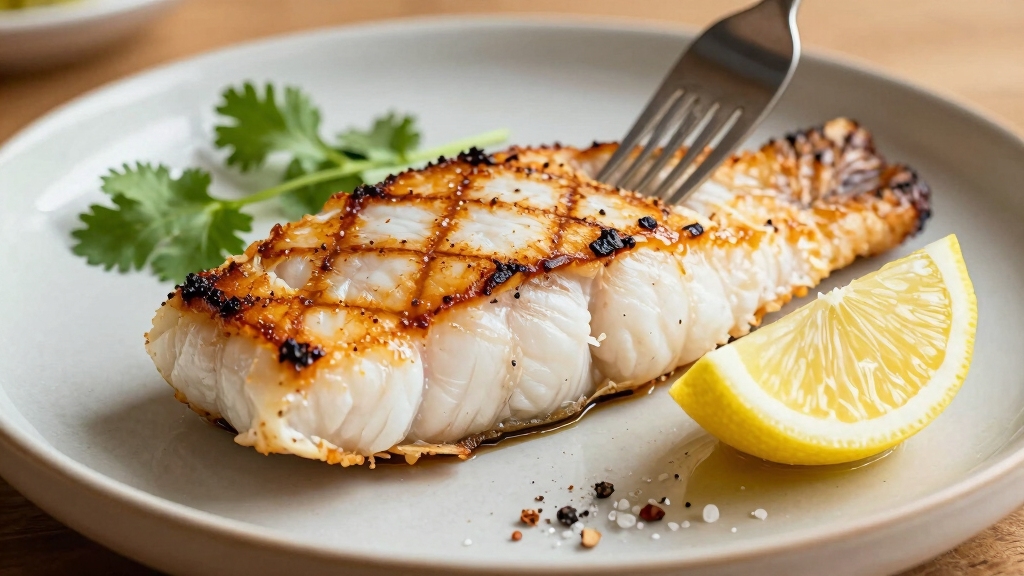
You’ll find mangrove snapper good to eat due to its mild, sweet flavor balanced with subtle nutty undertones. Its firm, moist white flesh flakes cleanly and holds up well to grilling, baking, or frying.
The fish’s habitat, from mangroves to reefs, influences these qualities, contributing to consistent taste and texture. Nutritionally, it offers lean protein and omega-3s.
If you want insights on selecting, preparing, and understanding regional differences, there’s more detailed information ahead.
Key Takeaways
- Mangrove snapper has a mild, sweet flavor with subtle nutty undertones, appealing to a wide range of palates.
- Its firm, moist, and flaky white flesh holds up well to grilling, baking, frying, and pan-searing.
- The fish’s diet of small fish and crustaceans enhances its delicate sweetness and complexity.
- Proper cooking prevents dryness and preserves its tender texture, making it versatile for many recipes.
- Mangrove snapper is a healthy, lean protein rich in omega-3 fatty acids and essential micronutrients.
What Does Mangrove Snapper Taste Like?
Mangrove snapper typically offers a mild, sweet flavor that appeals to a wide range of palates.
You’ll notice its subtle sweetness results from its diet, which includes small fish and crustaceans, contributing to nuanced flavor compounds.
The flesh is firm and white, with lean, moist consistency, allowing it to absorb spices and marinades effectively without overpowering them.
Firm, white flesh with a lean, moist texture that readily absorbs spices and marinades without overwhelming flavors
Nutty flavor notes, reminiscent of red snapper, also emerge due to its lipid profile and muscle composition.
This balance of mild sweetness and slight nuttiness provides versatility in culinary applications, making it suitable for various cooking methods.
Understanding these flavor attributes helps you appreciate why mangrove snapper is prized among chefs and anglers alike for its distinctive yet approachable taste.
Its diet and habitat similarly influence flavor and texture, as seen in related species with carnivorous, benthic feeding behavior.
How Does Mangrove Snapper’s Texture Compare to Other White Fish?
Mangrove snapper has a firmer texture compared to many other white fish, which is one of the things that makes it so special. When you cook it, it holds its structure really well, so you don’t have to worry about it falling apart on your plate.
The flesh of the mangrove snapper is moist yet lean, striking a nice balance between firmness and flakiness that really enhances the overall mouthfeel. It’s got this distinctive moisture level that sets it apart from drier white fish varieties.
As a saltwater species, mangrove snapper have adapted to stable, high salinity environments which also influences their texture and flavor profile.
Firmness Versus Flakiness
When comparing the texture of mangrove snapper to other white fish, you’ll find it strikes a balance between firmness and flakiness. Its flesh maintains structural integrity when cooked, offering a satisfying bite without being tough.
Simultaneously, it flakes apart cleanly, a hallmark of quality white fish, revealing moist layers beneath the surface. This dual characteristic results from its muscle fiber composition and fat distribution.
Consider these aspects: Firmness guarantees the fillet holds shape during grilling or pan-searing, preventing disintegration. Flakiness delivers a delicate mouthfeel typical of premium white fish, enhancing sensory appeal.
The interplay of firmness and flakiness allows versatile culinary applications, from broiling to frying. You’ll appreciate how mangrove snapper’s texture compares favorably to lean, flaky species like cod and the firmer red snapper.
Proper handling and cooking, including freezing and cooking temperatures, are essential to ensure safe consumption by eliminating potential parasites.
Moisture Levels Comparison
Texture’s balance between firmness and flakiness naturally leads to examining moisture content, a key factor influencing mouthfeel and cooking behavior.
Mangrove snapper exhibits a lean yet moist flesh, with moisture levels slightly higher than drier white fish like cod but lower than fattier species such as halibut.
This moderate moisture contributes to its tender, flaky texture without excessive water release during cooking, preserving flavor concentration.
Compared to other snapper species, mangrove snapper maintains a consistent moistness that supports various culinary methods, from grilling to frying, without becoming mushy.
When you cook mangrove snapper, its balanced moisture guarantees the meat remains succulent, providing a satisfying bite distinct from both very lean and very oily white fish. This moisture profile underscores the snapper’s versatility and appeal in gastronomy.
Understanding how fish habitat density influences quality can further enhance the appreciation of mangrove snapper’s culinary characteristics.
Why Is Mangrove Snapper So Popular at the Table?
Mangrove snapper consistently ranks among the most sought-after table fish due to its mild, sweet flavor and firm, flaky white flesh. This appeals to a wide range of palates.
You’ll find its lean, moist consistency enhances versatility in cooking methods, making it ideal for grilling, baking, or frying. Its subtle nutty undertones, akin to red snapper, add complexity without overpowering dishes.
This balance of flavor and texture makes it a favorite for chefs and anglers alike. Consider why you might prefer mangrove snapper:
- Its delicate sweetness complements diverse seasonings and preparations.
- The firm flesh holds together well during cooking, ensuring satisfying texture.
- High taste and table quality ratings confirm its status as an excellent food fish.
How Does Mangrove Snapper’s Habitat Affect Its Flavor?
You know, the habitat of the mangrove snapper really plays a big role in how it tastes. This fish feeds on a variety of small creatures like fish, crustaceans, shrimp, and crabs that hang out around the mangrove roots and reefs.
Because of this diverse diet, you can actually pick up on some subtle sweet and nutty flavors in the fish’s mild, firm white flesh.
Isn’t that interesting? When you think about it, these environmental factors really help explain why mangrove snapper has such a distinctive taste. It’s no wonder this fish is highly prized among seafood lovers!
Similar to how peacock bass habitat influences their flavor and behavior, the local environment shapes the taste profile of many fish species.
Mangrove Diet Influence
The flavor of snapper often comes down to what it feeds on. This species’ diet in mangrove habitats plays a crucial role.
Mangrove snapper consume small fish, crustaceans, shrimp, and crabs, all abundant in their environment. This diet imparts subtle sweet and nutty undertones to their firm, white flesh.
You’ll notice:
- The high-protein prey contributes to the snapper’s lean, moist texture.
- Crustacean consumption enhances mild sweetness and complexity in flavor.
- Opportunistic feeding around roots and reefs results in a balanced taste profile.
Their ambush predation on diverse prey guarantees consistent flavor quality. Understanding this diet helps you appreciate why mangrove snapper is regarded as an excellent food fish with distinct culinary appeal.
In comparison, species like permit and pompano have different feeding habits that influence their unique taste and texture profiles, highlighting the importance of diet in fish flavor development and seasonal feeding patterns.
Habitat Flavor Connection
Since diet is tightly linked to habitat, understanding where this snapper lives helps explain its flavor nuances. Mangrove snappers inhabit complex ecosystems including mangrove roots, snags, and reefs where they prey on crustaceans and small fish.
This diverse diet imparts subtle sweet and nutty undertones to their firm, white flesh. The brackish water environment influences the moisture and texture, contributing to its lean yet moist consistency. Here’s a concise comparison:
| Habitat Component | Typical Prey | Flavor Influence |
|---|---|---|
| Mangrove roots | Shrimp, crabs | Sweet, slightly briny |
| Reef structures | Small fish, crustaceans | Nutty, firm texture |
| Brackish waters | Mixed diet | Moist, mild complexity |
The environment also affects the fish’s physical demands, similar to how stout waders are designed for rugged terrains, making its flesh firmer and more resilient.
Your appreciation of mangrove snapper’s flavor deepens when you consider how its habitat shapes its culinary qualities.
Is Mangrove Snapper a Healthy Seafood Choice?
Frequently chosen by health-conscious consumers, mangrove snapper offers a nutritious seafood option rich in lean protein and essential nutrients.
Mangrove snapper is a popular, nutritious seafood choice packed with lean protein and vital nutrients.
When you include it in your diet, you benefit from its low fat content and high-quality protein, supporting muscle maintenance and overall health.
Additionally, its omega-3 fatty acids help reduce inflammation and promote cardiovascular health. Consider these key health benefits when choosing mangrove snapper:
- Provides essential amino acids necessary for tissue repair and immune function.
- Contains crucial micronutrients like selenium and vitamin D, which aid antioxidant defense and bone health.
- Offers a moderate omega-3 fatty acid profile, contributing to brain and heart function.
Understanding the role of protein quality in seafood can further enhance your dietary choices.
How to Cook Mangrove Snapper to Bring Out Its Best Flavor?
Open mangrove snapper’s mild, sweet flavor by applying cooking methods that preserve its firm, moist texture and subtle nutty undertones. You should avoid overcooking, as excessive heat denatures proteins excessively, leading to dryness.
Techniques like grilling or pan-searing at moderate temperatures maintain moisture and enhance Maillard reactions, deepening flavor complexity.
Baking whole with garlic and butter evenly distributes heat, preserving delicate flesh while infusing aromatic compounds.
Light breading before pan-searing forms a protective crust, locking in juices without overpowering natural taste.
Because mangrove snapper has a lean profile, brief steaming or broiling assures minimal nutrient loss and retains texture.
You can also pair it with acidic elements like lemon to balance sweetness and amplify flavor perception through pH modulation. These methods emphasize the species’ culinary qualities scientifically and effectively.
For the best freshness and texture, it’s recommended to use an insulated cooler with ice packs to preserve your catch immediately after fishing.
What Are Some Easy Mangrove Snapper Recipes?
Explore straightforward recipes that highlight mangrove snapper’s mild, sweet flavor and firm texture while preserving its moist consistency.
You can easily prepare this fish to maximize its natural qualities through simple methods.
- Grilled with Lemon and Herbs: Marinate the fillets briefly, then grill to develop a light char. This enhances the subtle nutty notes without drying the flesh.
- Pan-Seared with Light Breading: Coat the snapper lightly with seasoned flour or panko. Pan-sear it to achieve a crisp exterior while locking moisture inside.
- Baked Whole with Garlic and Butter: Bake the whole fish with butter and crushed garlic. This allows even heat distribution to maintain tenderness and infuse gentle aromatic flavors.
Each method employs minimal ingredients and techniques to retain the snapper’s prized texture and delicate taste. This ensures a scientifically sound culinary experience.
For an effective catch before cooking, consider using baits like durable scented baits to attract fish with natural prey imitation.
How Sustainable Is Mangrove Snapper as Seafood?
While evaluating seafood sustainability can be complex, mangrove snapper stands out as a responsible choice due to its stable populations and well-managed fisheries.
In the Gulf of Mexico, these fish benefit from regulated catch limits, size restrictions, and seasonal closures designed to prevent overfishing.
Their offshore spawning aggregations are monitored to maintain reproductive success.
Mangrove snapper’s opportunistic feeding and habitat use in mangrove estuaries support resilient populations.
Commercial and recreational fishing primarily use hook-and-line or spearfishing methods, which minimize habitat damage.
However, sustainability may vary regionally, so you should verify local fishery management practices.
How to Identify Fresh Mangrove Snapper at Market?
Frequently, identifying fresh mangrove snapper at the market requires close attention to specific physical traits and quality indicators. To make sure you select a prime specimen, focus on these key factors:
- Appearance: Look for a firm body with grayish-red coloration and distinct rows of red-orange spots or stripes along the sides. The skin should be moist and vibrant, not dull or dry.
- Eyes: Choose fish with clear, bright eyes. Cloudy or sunken eyes indicate age or poor handling.
- Smell: Fresh mangrove snapper emits a mild, oceanic scent without any sour or ammonia odors, which signal spoilage.
Where Is Mangrove Snapper Found and How Does That Impact Its Quality?
You can mostly find mangrove snapper in the coastal waters of the Gulf of Mexico, the Caribbean, and some areas of the western Atlantic.
They love hanging out near mangroves, reefs, and snags, which really shapes their diet. They typically munch on crustaceans and small fish, and that’s what gives them that mild, sweet flavor and firm texture we all enjoy.
Now, it’s interesting to note that the quality and taste can vary a bit depending on where they’re found. Factors like regional differences in water temperature and the types of prey available can lead to those subtle variations.
Geographic Range Overview
Because mangrove snapper inhabit a wide geographic range throughout the Gulf of Mexico, Caribbean Sea, and western Atlantic coastal waters, their quality as a food fish benefits from diverse, nutrient-rich habitats.
You’ll find them thriving near mangroves, reefs, and offshore structures, where abundant prey supports their growth and flavor development. This broad distribution secures consistent availability and culinary excellence.
Consider these points about their geographic range:
- Nutrient diversity across habitats promotes the snapper’s mild, sweet flavor and firm texture.
- Varied environments contribute to lean, moist flesh with subtle sweet undertones.
- Their presence in sustainable fisheries guarantees a reliable, high-quality seafood choice.
Understanding their range helps you appreciate why mangrove snapper consistently ranks among the most delicious white fish worldwide.
Habitat Influence On Flavor
Although mangrove snapper occupy diverse habitats such as mangrove-lined estuaries, coral reefs, and offshore structures, these environments directly influence their flavor and texture.
In mangrove estuaries, their diet of crustaceans and small fish imparts subtle sweet undertones and a moist, firm flesh.
Coral reef dwellers often exhibit a slightly nuttier flavor due to varied prey availability, contributing to a leaner texture.
Offshore individuals feeding on a broader range of prey tend to have a balanced mild flavor with consistent white flaky meat.
The water’s salinity, temperature, and surrounding vegetation affect the snapper’s metabolism and fat content, subtly altering taste profiles.
Understanding these habitat-linked variations helps you appreciate the nuanced quality differences when selecting or preparing mangrove snapper for consumption.
Regional Quality Variations
Mangrove snapper inhabit a wide geographic range, including the Gulf of Mexico, Caribbean Sea, and western Atlantic Ocean. Each region contributes distinct influences on their quality.
You’ll notice subtle differences in flavor and texture depending on where the fish is caught. This variation arises from differences in diet, water temperature, and habitat complexity.
For example, snapper from the nutrient-rich Gulf often have a more robust, slightly nutty flavor. Caribbean specimens may present milder sweetness.
When choosing mangrove snapper, consider these regional factors:
- Gulf of Mexico: Rich diet enhances firm texture and flavor depth.
- Caribbean Sea: Warmer waters yield a lighter, delicate taste.
- Western Atlantic: Mixed habitats produce balanced moisture and sweetness.
Frequently Asked Questions
What Fishing Methods Are Best for Catching Mangrove Snapper?
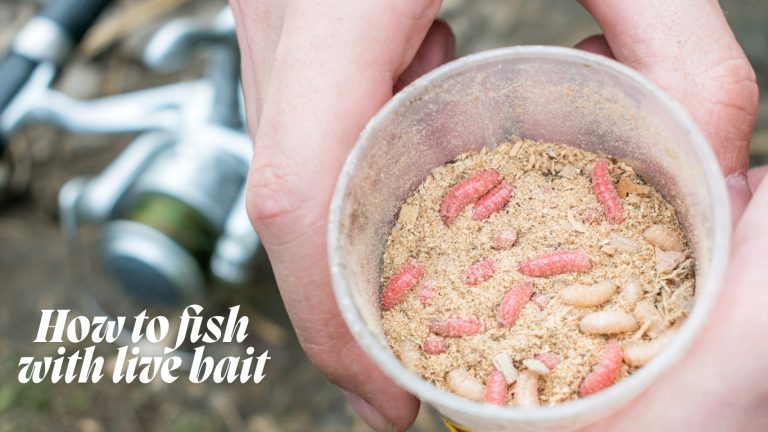
You’ll find mangrove snapper best caught using hook-and-line techniques or spearfishing. These fish are intelligent and wary, so employing live bait like small fish, shrimp, or crustaceans increases your chances.
Target areas near mangroves, reefs, snags, or roots where they ambush prey, especially during nocturnal hours. Use light tackle to feel their subtle bites, and remember they often aggregate offshore when spawning.
Fishing around those areas can be highly productive.
How Can You Distinguish Juvenile Mangrove Snapper From Adults?
You can distinguish juvenile mangrove snapper by their lighter coloration and a distinct diagonal eye stripe, unlike adults, which display a grayish-red color with rows of red-orange spots or stripes on their sides.
Juveniles also tend to be smaller, typically under 10 inches, while adults range from 10 to 24 inches. Observing these color patterns and size differences helps you accurately identify their life stage in the field.
What Predators Commonly Threaten Mangrove Snapper in the Wild?
You’ll find that common predators of mangrove snapper include larger fish species like barracudas, groupers, and sharks.
Juvenile mangrove snapper face threats from smaller predatory fish and birds as well. These predators exploit the snapper’s habitat near mangroves and reefs, where ambush tactics are common.
Their sharp teeth and strong jaws help mangrove snapper defend themselves, but they remain vulnerable, especially during nighttime feeding and spawning aggregations.
How Do Mangrove Snapper Reproduce and Spawn Offshore?
When it comes to spawning, mangrove snapper don’t beat around the bush. They gather in large offshore aggregations to reproduce. You’ll find them forming these groups at specific sites, where females release eggs and males release sperm simultaneously.
This synchronous spawning increases fertilization success. You can observe that their reproductive strategy hinges on timing and location, ensuring larvae disperse effectively into favorable nursery habitats for juvenile development.
What Role Does Mangrove Snapper Play in Local Ecosystems?
Mangrove snapper play a pivotal role in local ecosystems by regulating populations of small fish, crustaceans, and shrimp through predation. As nocturnal ambush predators near mangroves and reefs, they help maintain balanced food webs and support biodiversity.
Their feeding habits influence prey community structures, while their presence contributes to the health of habitat complexity. You’ll find them indispensable in sustaining ecological stability in coastal marine environments.
Savoring Mangrove Snapper: Taste, Health, and Sustainability
You’ll find mangrove snapper offers a mild, sweet flavor, a firm yet flaky texture, and versatility in cooking methods. You’ll appreciate its nutritional benefits, including lean protein and essential nutrients, while considering sustainable sourcing.
You’ll recognize freshness by clear eyes and firm flesh, and you’ll understand how its habitat influences quality. By knowing these factors, you’ll make informed choices, enjoy delicious meals, and support responsible seafood consumption.