
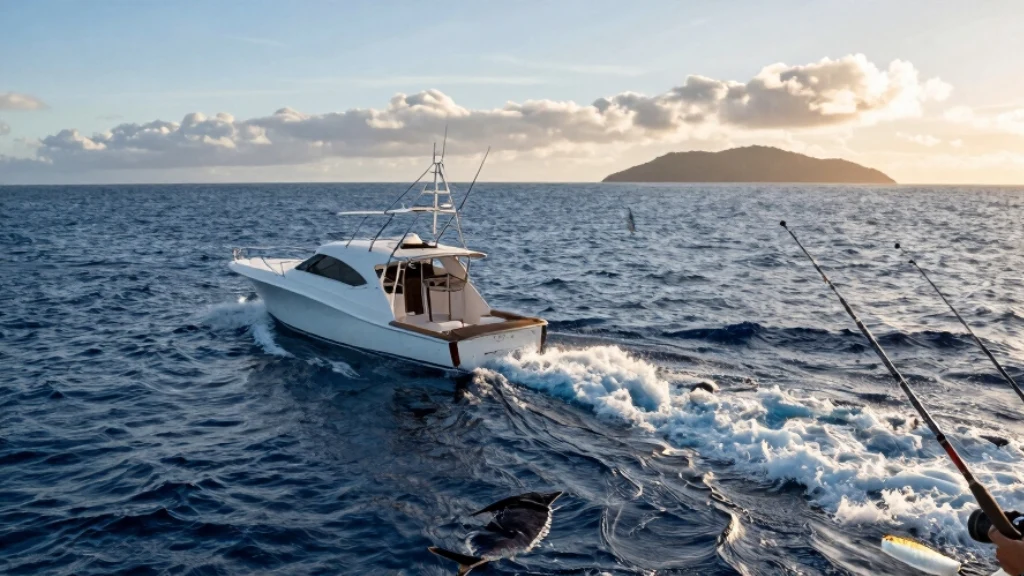
Where to Fish for Yellowfin Tuna: Expert Tips for Anglers
You’ll find prime yellowfin tuna fishing along the Gulf Coast, especially near Louisiana oil rigs and Texas artificial structures. Mexico’s Pacific Coast hotspots like Cabo San Lucas and the nutrient-rich Sea of Cortez are also excellent.
Central America’s Gulf of Chiriquí and Hannibal Bank offer trophy-sized tuna. The Caribbean’s deep reefs and the Indian Ocean’s upwelling zones support large schools.
Using GPS and sonar can optimize your success. Explore these regions’ environmental and tactical details to refine your approach.
Key Takeaways
- The Gulf of Mexico, especially near Louisiana oil rigs and deepwater canyons, offers year-round yellowfin tuna fishing hotspots.
- Mexico’s Pacific Coast, including Cabo San Lucas and the Sea of Cortez, is renowned for large yellowfin during warm-water years.
- Panama’s Gulf of Chiriquí and trophy hotspots like Hannibal Bank provide reliable access to large, surface-feeding yellowfin tuna.
- Caribbean locations such as the Bahamas and Cayman Islands feature deep drop-offs and current convergences attracting yellowfin schools.
- Indian Ocean regions like Cape Town and Mauritius, along with Pacific hotspots like Hawaii, support trophy-sized yellowfin fishing.
Best Yellowfin Tuna Fishing Spots in North America
While exploring North America’s Gulf Coast, you’ll find some of the most reliable yellowfin tuna fisheries, especially along the Florida Panhandle and East Gulf regions where consistent populations thrive.
North America’s Gulf Coast, especially Florida Panhandle and East Gulf, hosts some of the most reliable yellowfin tuna fisheries.
Offshore Louisiana and the Central Gulf’s oil rigs and deepwater canyons provide year-round habitats, supporting stable yellowfin aggregations.
Near Texas and the West Gulf, you can target yellowfin around artificial structures proven to attract feeding schools.
Venice, Louisiana, near the Mississippi River mouth, offers highly productive waters for catching large yellowfin specimens.
The Southeast US Gulf consistently yields multi-day fishing trips, allowing you to engage with triple-digit yellowfin tuna.
These Gulf Coast areas combine optimal oceanographic conditions and habitat complexity, making them scientifically validated hotspots for yellowfin tuna anglers seeking reliable, high-quality catches.
Understanding the environmental drivers behind tuna migration and feeding patterns can enhance your fishing strategy in these regions.
Top Yellowfin Tuna Spots on Mexico’s Pacific Coast
Moving from the Gulf Coast’s consistent yellowfin fisheries, Mexico’s Pacific Coast offers diverse and productive tuna habitats shaped by warm currents and complex underwater topography.
You’ll find Cabo San Lucas and Southern Baja attract long-range boats during warm-water years, capitalizing on migratory patterns.
The Sea of Cortez supports resident large yellowfin populations due to nutrient-rich waters and structural complexity.
Puerto Vallarta, nicknamed “Cow Town,” is renowned for yellowfin exceeding 300 pounds, indicating prime feeding grounds.
Manzanillo and Acapulco feature surface-feeding tuna of varying sizes, linked to localized upwellings and baitfish abundance.
Additionally, the Revillagigedos Archipelago consistently produces some of the world’s largest yellowfin, thanks to its isolated seamounts and converging currents.
Optimal fishing times aligned with diel behavior patterns can enhance catch rates by matching yellowfin activity to favorable light and temperature conditions.
Prime Yellowfin Tuna Grounds in Panama and Central America
You know, if you’re looking for the best yellowfin tuna spots, Panama and Central America are where you want to be. Places like the Gulf of Chiriquí and Boca Chica are fantastic. They offer year-round access, and the runs are pretty short, making it super convenient for anglers.
Then, you’ve got Hannibal Bank and Zane Grey Bank. These spots are known for consistently producing trophy-sized yellowfin, often exceeding 260 pounds! How exciting is that? The combination of favorable oceanographic conditions and abundant forage really makes these grounds a prime habitat for targeting those big yellowfin. It’s a fishing dream come true! Understanding the environmental influence on fish behavior can help you maximize your chances on these productive grounds.
Top Panama Tuna Spots
Panama’s yellowfin tuna grounds consistently deliver top-tier fishing experiences, especially in hotspots like the Gulf of Chiriquí, where you can target tuna actively feeding under birds and porpoises.
These areas offer a mix of offshore banks and island complexes that hold dense yellowfin populations, often exceeding 100 pounds. You’ll find Hannibal Bank and Isla Montuosa ideal for encountering monster tuna, while Boca Chica provides quick access and consistent action.
Sport Fish Panama Island Lodge situates you close to these prime zones, optimizing your fishing efficiency.
Key Panama tuna locations include:
- Gulf of Chiriquí: dynamic surface feeding zones
- Hannibal Bank & Isla Montuosa: trophy-size yellowfin hotspots
- Boca Chica: year-round accessibility with short runs
- Zane Grey Bank: trophy yellowfin often over 268 pounds
These technical locations maximize your chances for successful yellowfin targeting.
Year-Round Tuna Access
Consistent access to yellowfin tuna throughout the year hinges on targeting specific geographic features and environmental conditions found in Panama and Central America. You’ll find prime grounds like Boca Chica near David, offering short runs to productive fishing zones with stable populations.
The Gulf of Chiriquí presents dynamic “run-and-gun” opportunities where yellowfin aggregate under feeding birds and porpoises, indicative of abundant forage. Hannibal Bank, Isla Montuosa, Triangle, and Isla Ladrones maintain favorable underwater topography and oceanic currents that support large yellowfin year-round.
Sport Fish Panama Island Lodge capitalizes on proximity to these hotspots, providing efficient access. By focusing on these consistent habitats with ideal water temperatures and prey availability, you maximize your chances to land yellowfin tuna regardless of season or migratory shifts. Maintaining ideal water temperature in these areas helps support the prey species that attract yellowfin tuna.
Trophy Yellowfin Locations
When seeking trophy yellowfin tuna in Panama and Central America, focus on key locations known for producing exceptionally large specimens.
These areas combine ideal oceanographic conditions, abundant forage, and structural features that concentrate yellowfin tuna over 200 pounds.
Targeting these grounds increases your chances of hooking a true trophy. Key trophy yellowfin locations include:
- Gulf of Chiriquí: dynamic run-and-gun fishing beneath feeding birds and porpoises.
- Hannibal Bank, Isla Montuosa, Triangle, and Isla Ladrones: known for monster yellowfin aggregations.
- Boca Chica near David: offers year-round access with minimal transit time.
- Zane Grey Bank off Pinas Bay: consistently yields yellowfin exceeding 268 pounds.
Focusing on these sites maximizes your opportunity to land trophy-class yellowfin in Central American waters. Seasonal patterns and regulations play a critical role in sustainable fishing, making understanding species-specific daily bag limits essential for responsible anglers.
Yellowfin Tuna Fishing Spots Around the Caribbean Islands
If you’re on the hunt for yellowfin tuna, the Caribbean is the place to be! You’ve got some fantastic spots to check out, especially around the Bahamas, Cayman Islands, and Puerto Rico. These areas are known for their reliable tuna populations, thanks to the great ocean currents and migratory patterns that keep the fish coming back.
And hey, if you broaden your search from Anguilla all the way to Barbados, you’ll definitely up your chances of finding that productive surface action. Plus, who wouldn’t want to reel in a trophy-sized fish? It’s all about those thrilling moments on the water! Using lures with durable construction and realistic action can also increase your chances of success when targeting tuna in these waters.
Prime Caribbean Tuna Grounds
The Caribbean Islands offer a range of prime yellowfin tuna grounds that anglers shouldn’t overlook. These waters provide consistent tuna presence due to favorable oceanographic factors like warm currents, nutrient upwelling, and abundant baitfish populations.
When targeting yellowfin here, focus on:
- Bahamas: accessible offshore grounds with strong tuna activity.
- Cayman Islands: deep-water habitats supporting large yellowfin schools.
- Puerto Rico: migratory routes yield reliable seasonal catches.
- Dominican Republic: surface feeding near Cozumel and Cancun enhances strike rates.
Each zone benefits from specific underwater topography and current patterns that concentrate prey species. This increases yellowfin feeding activity. Utilizing precise GPS coordinates linked to these features improves your odds.
Understanding these grounds’ ecological dynamics helps you optimize your fishing strategy and maximize catch success in the Caribbean’s diverse yellowfin habitats. Additionally, considering the seasonal movement of target species can significantly enhance fishing outcomes in these regions.
Key Island Fishing Locations
Across the Caribbean Islands, specific fishing locations consistently attract yellowfin tuna due to their unique underwater structures and current systems.
You’ll find these hotspots provide productive fishing conditions year-round, driven by nutrient-rich upwellings and strong pelagic prey concentrations.
Target areas include deep drop-offs, offshore reefs, and current convergences where yellowfin aggregate.
| Island/Area | Key Features |
|---|---|
| Bahamas | Accessible waters, deep channels |
| Cayman Islands | Rich offshore grounds, steep drop-offs |
| Puerto Rico | Consistent tuna migrations |
| Dominican Republic | Surface action near Cozumel and Cancun |
When you fish these locations, focus on structure edges and thermoclines that concentrate baitfish. This increases yellowfin presence and catch rates. For offshore trips targeting species like yellowfin tuna, choosing a boat with a deep-V hull can provide superior stability and safety in rough waters.
Top Yellowfin Tuna Fisheries in the Indian Ocean and Africa
Although targeting yellowfin tuna in the Indian Ocean and African waters demands advanced techniques, anglers benefit from several world-class fisheries known for their trophy-sized catches.
These regions feature convergence zones, oceanic currents, and seamounts that create ideal feeding grounds for large yellowfin tuna, often exceeding 200 pounds.
You’ll find consistent opportunities where migratory patterns intersect with nutrient-rich waters.
Key fisheries include:
- Cape Town, South Africa (Hout Bay): Known for yellowfin over 200 pounds where the Atlantic and Indian Oceans meet.
- Mauritius and Reunion Island: Yield substantial yellowfin and bigeye tuna due to upwelling zones.
- Canary Islands (La Gomera): Align with migratory routes, producing large yellowfin.
- Cape Verde: Offers Atlantic yellowfin fishing with accessible offshore grounds.
Precision in locating these hotspots maximizes your chances of landing trophy specimens, and using sonar technology can significantly improve school detection and catch rates.
Top Yellowfin Tuna Hotspots in the Pacific and Beyond
Several premier yellowfin tuna hotspots in the Pacific and adjacent regions offer anglers unparalleled opportunities for trophy catches.
Top yellowfin tuna hotspots in the Pacific deliver unmatched trophy fishing experiences for dedicated anglers.
In the Gulf of Mexico, structures like oil rigs near Louisiana and deepwater canyons create year-round yellowfin habitats. Venice provides productive waters for large specimens.
Mexico’s Pacific Coast boasts Cabo San Lucas and the Revillagigedos Archipelago, known for consistently producing giant yellowfin.
Central America’s Gulf of Chiriquí and Hannibal Bank support aggressive run-and-gun techniques under feeding birds and dolphins.
Hawaii and Fiji present prolific Pacific fisheries, while Southern California’s San Diego area holds historical significance with record catches.
These areas exhibit strong yellowfin presence due to optimal water temperatures, prey availability, and underwater topography. They make prime targets for serious anglers seeking substantial trophy yellowfin.
When planning a trip to these hotspots, ensure you obtain the proper fishing licenses required for saltwater species to comply with local regulations and avoid legal issues.
Frequently Asked Questions
What Is the Best Time of Year to Fish for Yellowfin Tuna?
You’ll find the best time to fish for yellowfin tuna varies by region but generally peaks during warmer months when waters reach 70–85°F.
In the Gulf of Mexico, late spring through early fall offers ideal conditions.
Off Mexico’s Pacific Coast, summer and early fall are prime.
In the Caribbean, yellowfin fishing intensifies from late spring to early fall.
Monitoring local water temperatures and tuna migrations helps you target peak seasons precisely.
What Types of Bait or Lures Work Best for Yellowfin Tuna?
Forget waving a sparkly spoon like a wizard’s wand; yellowfin tuna don’t bite on magic. They respond to precision.
Use live bait like skipjack, sardines, or small mackerel for best results.
Lures such as large, brightly colored skirted trolling lures or diving plugs mimicking fleeing prey work scientifically.
Match bait size to tuna appetite, maintain speed around 7-10 knots, and keep your rig strong.
Yellowfin’s power demands gear that’s battle-tested and proven effective.
What Fishing Gear Is Recommended for Yellowfin Tuna Fishing?
You should use heavy-duty spinning or conventional reels with a strong drag system, paired with braided line rated 50-80 lb test for yellowfin tuna.
Opt for 80-130 lb fluorocarbon leaders to withstand abrasion.
Use 6-9 foot rods with fast action to handle powerful runs and quick hook sets.
Incorporate circle hooks or J-hooks sized 6/0 to 10/0.
High-quality terminal tackle and corrosion-resistant components guarantee durability in saltwater conditions.
How Deep Do Yellowfin Tuna Usually Swim When Fishing?
Yellowfin tuna typically swim between 10 and 150 meters (33 to 492 feet) deep when you fish for them. They often stay near the thermocline, where water temperature changes sharply, as it concentrates their prey.
During daylight, they tend to dive deeper, while at dawn and dusk, they rise closer to the surface. Your best bet is to target depths around 30 to 100 meters, adjusting based on water temperature and baitfish presence.
What Regulations or Licenses Are Required for Yellowfin Tuna Fishing?
Casting your line into the shimmering blue, you’ll need the right permits before you hook yellowfin tuna. Regulations vary by location but often require recreational or commercial fishing licenses, size limits, and seasonal restrictions.
For example, the U.S. Gulf Coast mandates federal permits and adherence to quotas. Mexico demands a fishing license and compliance with protected zones. Always check local authorities to avoid fines and support sustainable fishery management.
Final Cast: Choose the Right Waters for Yellowfin Success
If you’re targeting yellowfin tuna, know they can reach speeds up to 50 mph, making your choice of fishing ground essential.
From North America’s Pacific coast to the Indian Ocean, these hotspots offer evidence-backed success rates for anglers.
By focusing on these prime locations, you maximize your chances of landing this fast, powerful species. Precision in location selection directly impacts your catch efficiency, so choose wisely and fish smart.


One Comment