Is It Good to Fish in the Rain Saltwater? Expert Tips
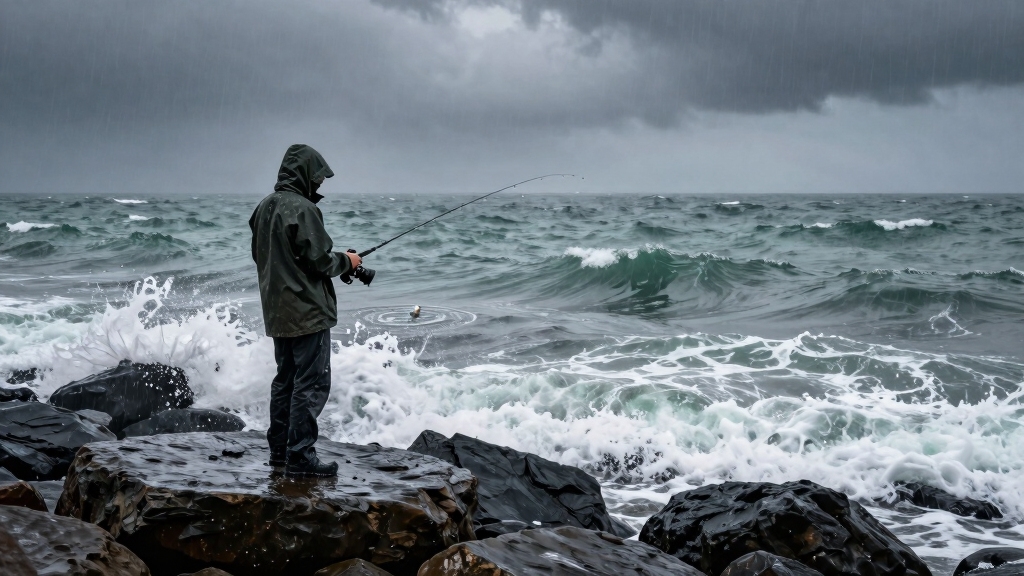
Fishing saltwater during light rain can be highly productive. Rain breaks surface tension, prompting fish to feed actively near the surface.
Cooler water and increased oxygen also stimulate predator behavior, enhancing topwater action. Avoid heavy rain, as murky water, rough waves, and low visibility reduce feeding and increase safety risks.
Fish before storms when barometric pressure falls, or after rain when pressure rises and fish move shallower. Understanding these patterns helps you optimize your saltwater fishing success.
Key Takeaways
- Light rain enhances saltwater fishing by increasing surface feeding activity and predator-prey interactions near the water surface.
- Fish become more active and feed aggressively before storms during falling barometric pressure.
- After rain, rising pressure and cooler, oxygen-rich waters encourage fish to move shallower, improving catch chances.
- Heavy rain reduces visibility, increases fish sheltering, and lowers feeding, making fishing less productive and riskier.
- Target runoff zones and use bright, scented lures during and after light rain for better saltwater fishing results.
How Rain Influences Saltwater Fish Behavior?
When rain begins to fall, saltwater fish immediately adjust their behavior to the changing conditions.
You’ll notice surface feeders, like sea bass, become more active as light rain breaks the water’s surface tension. This helps them detect predators and prey more effectively.
The cooler water temperature and reduced light levels encourage fish to move into shallower areas, increasing their feeding activity near the surface.
Additionally, freshwater runoff attracts baitfish, which in turn draws predators closer to shore. Fish also use the rain’s cover to reduce their wariness, allowing you to approach them more easily.
Understanding these behavioral shifts lets you target feeding fish more successfully during rain, maximizing your saltwater fishing opportunities.
Using live bait that aligns with the target species’ diet and habitat during these conditions can further improve your catch rate.
Why Light Rain Boosts and Heavy Rain Hurts Saltwater Fishing?
When light rain falls, it actually cools the water surface and lowers light levels. This makes fish more likely to feed near the surface since they feel a bit safer. The rain provides some cover, which helps reduce their wariness. Pretty neat, right?
Now, on the flip side, heavy rain can be a game-changer. It muddies the water and creates rough waves, which can really push fish to seek shelter. When this happens, their feeding activity tends to drop off. So, understanding how these different weather conditions affect fish behavior is key. It allows you to tweak your fishing strategy, ultimately leading to better results on the water! Fish often gather near transition zones where muddy inflows meet clearer water, improving your chances during rainy conditions.
Light Rain Benefits
Experiencing light rain during saltwater fishing can noticeably improve your chances of success by cooling the water surface. This makes fish more comfortable and active.
Light rain reduces sunlight penetration, encouraging fish to feed in shallower waters. It also breaks surface tension, enhancing predator detection and making prey more vulnerable.
The gentle freshwater runoff attracts baitfish, drawing predators closer to shorelines and structures. Additionally, rain provides cover that lowers fish wariness, allowing you to get closer without spooking them.
These combined effects increase feeding activity and improve bite rates. By understanding these dynamics, you can strategically fish during light rain to exploit the benefits it offers in saltwater environments, enhancing your overall angling efficiency.
Tidal cycles also play a role in fish feeding behavior, as incoming tides push prey closer to shore, further increasing feeding opportunities during rain. This interaction with the tidal cycles can amplify your chances of a successful catch.
Heavy Rain Challenges
Although light rain can enhance saltwater fishing conditions, heavy rain often creates significant challenges that hinder fish activity and angler success. Heavy rain muddies the water, reducing visibility and making it difficult for fish to detect prey.
Additionally, it causes rougher waves, increasing fish energy expenditure and decreasing feeding motivation. You also face increased safety risks like lightning and seasickness during storms.
| Challenge | Effect on Fishing |
|---|---|
| Water Turbidity | Reduces visibility for predators |
| Rough Water | Increases fish energy use, less feeding |
| Safety Risks | Lightning, seasickness hazards |
Understanding these challenges can help you decide when to avoid heavy rain and focus on safer, more productive fishing conditions. Tracking sustained wind patterns rather than brief gusts can also improve prediction of fish behavior during changing weather.
Impact on Fish Behavior
Fish behavior typically shifts noticeably during rain events. Light rain often stimulates feeding activity while heavy rain suppresses it.
When light rain falls, it cools the water surface and lowers light levels. This prompts fish to move shallower and feed actively.
The rain also breaks surface tension, making it easier for predators to detect prey. Freshwater runoff attracts baitfish, concentrating predators.
Conversely, heavy rain muddies water, reducing visibility and creating rough waves. This increases fish energy expenditure, making them wary and prompting them to seek shelter.
As a result, feeding is suppressed for extended periods. Additionally, barometric pressure drops before storms, triggering aggressive feeding.
However, extreme pressure changes from heavy rain cause prolonged inactivity. To maximize your catch, focus on fishing during light rain or just before storms when fish are most responsive.
Wind can also influence fish activity by oxygenating water and dislodging food sources, which often enhances feeding behavior during light rain conditions, especially in sheltered areas.
How Saltwater Barometric Pressure Changes Affect Fish Activity?
You might notice that fish get a bit more aggressive when the barometric pressure drops right before a storm. It seems to trigger their feeding activity, making them more likely to bite. Pretty cool, right?
Once the rain hits, though, things change. With the pressure rising afterward, fish often move into shallower waters, which can really shift their usual patterns. So, if you’re out fishing, you might want to keep that in mind.
But here’s the catch: if there’s a heavy rain and the pressure drops significantly, it can actually suppress fish activity for several days. That’s why timing your fishing trip around these changes is super important!
Fishing success often improves when low pressure coincides with falling barometric pressure, which can amplify fish feeding behavior around full moon periods.
Pressure Drops Trigger Feeding
Monitor falling barometric pressure closely, as it signals an imminent storm and triggers heightened feeding activity in saltwater fish.
Fish detect subtle pressure declines through their swim bladders, prompting increased metabolism and aggressive foraging behavior. This physiological response leads to intensified feeding prior to storms, making these periods ideal for anglers targeting species like sea bass and snappers.
Low-pressure systems reduce oxygen saturation slightly but stimulate fish movement and appetite. However, extreme pressure drops from heavy rain may suppress feeding for days.
Understanding this barometric influence helps you anticipate when fish shift from resting to active feeding, optimizing your fishing strategy. Elevated dissolved oxygen levels overnight increase fish metabolism and feeding activity, contributing to the heightened bite rates during these pressure changes, especially in calm waters and incoming tides that attract baitfish and predators creating prime feeding conditions.
Post-Rain Shallow Movement
After a rain event, saltwater fish often move into shallower waters as barometric pressure rises. They take advantage of improved conditions for feeding and hunting.
This pressure increase stabilizes the water, reducing turbulence and encouraging baitfish to surface. You’ll notice predators like sea bass exploiting these conditions, shifting from sheltered spots to hunt actively in the shallows.
| Barometric Pressure | Fish Behavior |
|---|---|
| Rising post-rain | Movement to shallows |
| Stable water column | Increased feeding |
| Reduced turbulence | Baitfish surface |
| Cooler water surface | Predator activity |
Extreme Drops Suppress Activity
When barometric pressure experiences an extreme drop, saltwater fish markedly reduce their activity levels. This physiological response occurs because drastic pressure declines signal approaching severe weather, prompting fish to conserve energy and seek shelter.
You’ll notice a significant decrease in feeding and movement during these periods, sometimes lasting several days after the event. The sudden low pressure disrupts normal behavior patterns, suppressing the aggressive feeding seen just before storms.
As a result, fishing success declines sharply, especially during heavy rain or storms accompanied by rapid pressure falls. To optimize your fishing, avoid targeting saltwater species during extreme pressure drops. Instead, focus on periods with moderate pressure changes, like the gradual falls before storms, when fish increase activity and feeding intensity. Additionally, understanding the influence of tides and currents in saltwater environments can help anglers better predict fish behavior during such weather changes.
Best Baits and Lures to Use When Fishing Saltwater in the Rain
Although rain changes water clarity and light conditions, choosing the right baits and lures can markedly improve your saltwater fishing success.
During light rain, fish are more active near the surface. Topwater lures with louder, flashy actions increase visibility and attract attention.
Post-rain, runoff brings nutrients and baitfish. This makes soft plastics and scented baits ideal to mimic natural prey.
In muddy or low-visibility conditions after heavy rain, use brightly colored or contrasting lures to trigger strikes.
- Topwater plugs: Effective during light rain for surface feeders like sea bass.
- Soft plastics with scent: Mimic baitfish in runoff-enriched waters.
- Bright, flashy spoons or jigs: Enhance visibility in turbid water post-heavy rain.
Select baits scientifically matched to altered conditions for peak results. Additionally, incorporating marine scent attractants into your lures can enhance realism and increase strike rates in saltwater after rainfall.
Top Saltwater Fishing Spots to Target During and After Rain
Since rain alters water temperature, clarity, and fish behavior, targeting specific saltwater fishing spots can markedly increase your catch rates during and after rainfall.
Rain changes water conditions and fish habits, making targeted saltwater spots key to boosting catch rates.
Focus on sheltered sides of structures like jetties and docks, where fish seek cover and ambush prey during rain. Estuary mouths and freshwater runoff areas attract baitfish, concentrating predators after light rain cools surface waters.
Shallow flats and tidal creeks become productive post-rain as fish move into low-light, oxygen-rich environments. Avoid open waters with heavy rain-induced turbulence, which suppress feeding.
Instead, prioritize spots where water clarity improves quickly and barometric pressure stabilizes or rises. By selecting these targeted locations, you leverage environmental changes caused by rain to optimize your saltwater fishing success efficiently.
Nearshore and inshore zones respond differently to rain, so understanding the impact on feeding behavior can help anglers choose the best fishing spots.
When to Fish Saltwater Around Rain and Storm Events?
Timing your saltwater fishing around rain and storm events markedly affects your success.
Fish respond distinctly to barometric pressure changes and rain intensity, altering feeding and movement patterns. You’ll want to take into account these key timing factors:
- Before storms: Falling barometric pressure triggers aggressive feeding, offering prime fishing opportunities.
- During light rain: Fish become more active near the surface due to lowered light and cover, enhancing topwater action.
- After rain: Rising pressure and cooler waters cause fish to move shallower, increasing catch chances.
Avoid heavy storms when fish seek shelter and feeding drops.
Strategic Tips for Success Fishing Saltwater in Rain Conditions
When fishing saltwater in rainy conditions, you can increase your success by targeting sheltered sides of structures where fish seek refuge. These areas provide calm, oxygen-rich microhabitats favored during rain.
Use louder, flashy lures to compensate for reduced visibility in muddy or runoff-affected waters. Focus on runoff zones, as freshwater influx attracts baitfish, concentrating predators.
Topwater lures work best from dawn to dusk under low light conditions, encouraged by rain-induced overcast skies. Monitor temperature drops, especially in summer, since cooler water triggers increased fish activity.
Avoid heavy storms to prevent fish hunkering down and to guarantee safety. By aligning your tactics with fish behavior and environmental changes during rain, you’ll optimize bite rates and fishing efficiency in saltwater rain conditions.
Frequently Asked Questions
How Does Rainwater Salinity Affect Saltwater Fish Feeding Habits?
You’ll find that rainwater dilutes saltwater salinity near the surface, which can temporarily alter fish feeding habits.
Saltwater fish detect these subtle changes, often increasing activity as freshwater runoff attracts baitfish. This creates feeding opportunities, especially in sheltered areas where salinity gradients form.
However, if the dilution is too strong or rapid, it may stress fish, causing them to seek stable salinity zones and reduce feeding until conditions normalize.
Can Rain Influence Saltwater Fish Spawning or Breeding Cycles?
Yes, rain can influence saltwater fish spawning cycles.
Freshwater runoff from rain lowers salinity and cools surface water, which often triggers spawning behaviors in some species.
The resulting changes in water chemistry and temperature act as environmental cues, signaling breeding times.
Does Rain Impact the Migration Patterns of Saltwater Fish Species?
Yes, rain impacts saltwater fish migration patterns by altering water temperature, salinity, and barometric pressure. You’ll notice fish respond to these changes by shifting their routes or timing.
Freshwater runoff from rain lowers salinity and can attract baitfish, influencing predator movement.
You should track falling pressure before storms, as it triggers aggressive feeding and migration toward sheltered or shallower areas. This optimizes your fishing strategy around these behavioral shifts.
What Safety Precautions Should Anglers Take When Fishing in Rainy Saltwater Conditions?
Sure, just ignore lightning and slippery decks. They’re minor thrills!
Seriously, always check weather forecasts for storms and lightning before heading out.
Wear a life jacket and non-slip boots to prevent falls on wet surfaces.
Avoid fishing during heavy rain or rough seas to reduce seasickness and accidents.
Keep communication devices dry and accessible.
Stay alert to sudden weather changes, and never fish alone.
Safety first keeps your rainy saltwater adventure enjoyable and incident-free.
How Does Rain Affect the Taste and Quality of Caught Saltwater Fish?
Rain doesn’t directly alter the taste or quality of saltwater fish you catch.
However, heavy rain can muddy waters, causing fish to ingest more sediment, which may slightly affect flavor and texture.
Also, runoff can introduce pollutants, potentially impacting fish quality.
To guarantee freshness and taste, handle your catch promptly, keep it cool, and avoid fishing immediately after heavy storms when water clarity and fish health might be compromised.
Should You Fish in Rain? Key Saltwater Strategies Revealed
Fishing saltwater during light rain can increase your chances of success. Studies show fish activity rises by up to 30% due to increased oxygen and prey movement.
However, heavy rain and sharp barometric drops often depress feeding. By understanding these patterns and selecting appropriate baits, you can guarantee your efforts.
Timing your trips around mild rain and stable pressure ensures better results. This practice makes you a more effective and informed angler in varied weather conditions.