Bowfishing Laws Florida: Protect the Waters While Chasing
To bowfish legally in Florida, you need a valid freshwater or saltwater fishing license unless exempt. Target only non-protected, authorized species. Harvesting invasive fish like snakeheads is encouraged.
Use approved barbed arrows attached by line and follow equipment and location restrictions. Avoid areas like public beaches and wildlife sanctuaries. Night bowfishing is permitted with specified lighting except near certain spillways.
Observing bag limits and local regulations guarantees compliance. Understanding these key rules helps you engage responsibly and safely in Florida bowfishing.
Key Takeaways
- A valid freshwater or saltwater fishing license is required for bowfishing unless an exemption applies; verify license requirements before fishing.
- Bowfishing is allowed only for non-protected species; targeting game fish by bowfishing is prohibited and these have specific bag limits.
- Equipment must include barbed arrows securely attached by line; crossbows allowed only in authorized areas; artificial light permitted at night except near spillways.
- Bowfishing is prohibited within 100 yards of public beaches, piers, bridges, and in springs, wildlife sanctuaries, and certain county waters.
- Harvesting invasive species like snakeheads and tilapia is encouraged and generally unrestricted, supporting ecosystem management goals.
What Licenses Do You Need for Bowfishing in Florida?
When you go bowfishing in Florida, you’ll need the appropriate fishing license based on the species and waters you target.
If you pursue freshwater species, you must hold a valid freshwater fishing license unless you qualify for an exemption under Florida Fish and Wildlife Conservation Commission (FWC) rules.
Similarly, targeting saltwater species requires a valid saltwater fishing license, again subject to exemptions.
Should you participate in a guided charter, the captain’s license extends coverage to all participants.
You can obtain these licenses directly through the FWC, which regulates their issuance and guarantees compliance with state laws.
Familiarizing yourself with these licensing requirements is vital to avoid penalties and fish legally, maintaining both conservation efforts and your recreational privileges.
Because saltwater and freshwater fishing involve different environments and species, possessing the correct license ensures adherence to species-specific regulations.
Which Fish Species Are Legal to Bowfish in Florida?
Understanding which fish species you can legally bowfish in Florida builds on knowing the licensing requirements tied to freshwater and saltwater fishing.
You may target various non-protected freshwater and saltwater species, including invasive and noxious fish, but must avoid protected species. Use your valid freshwater or saltwater license accordingly.
| Freshwater Species | Saltwater Species | Notes |
|---|---|---|
| Channel Catfish | Sheepshead | Non-game, legal to bowfish |
| Florida Gar | Mangrove Snapper | Includes invasive species |
| Bowfin | Southern Stingray | Avoid protected species |
| Snakehead (invasive) | Jack Crevalle | Night bowfishing allowed |
Adhere to species-specific regulations and harvest invasive species where encouraged, ensuring compliance with Florida Fish and Wildlife Conservation Commission (FWC) rules.
Proper handling and quick release techniques help maintain fish health and survival during bowfishing activities, especially considering factors like moisture and temperature.
What Bowfishing Equipment Is Legal in Florida?
Bowfishing in Florida requires you to follow specific equipment regulations set by the Florida Fish and Wildlife Conservation Commission (FWC) to guarantee legal compliance and safety.
Following FWC equipment rules ensures legal and safe bowfishing in Florida’s waters.
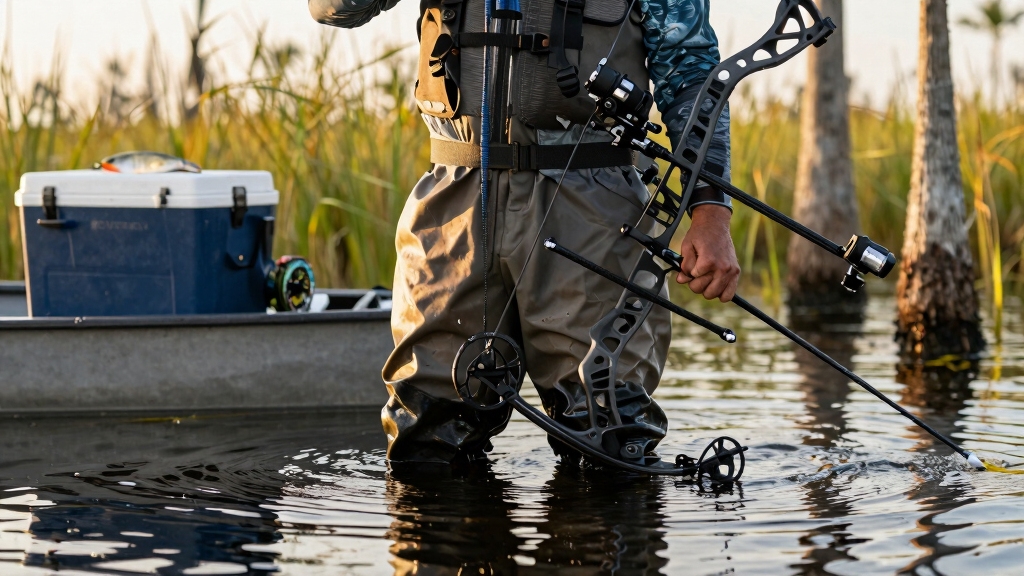
You must use arrows equipped with barbed heads securely attached by line, ensuring effective retrieval of fish.Crossbows are permitted only in authorized areas.
Manually operated spears, gigs, or snatch hooks are allowed during daytime hours, while bows combined with artificial light may be used at night, except near specified spillways.
All equipment must meet FWC standards, emphasizing safety and species protection.
Adhering strictly to these regulations helps maintain sustainable bowfishing practices and prevents legal infractions while respecting Florida’s aquatic ecosystems.
Choosing the appropriate boat type, such as a bay boat or center console, can enhance your bowfishing experience by providing optimal access and stability in Florida’s diverse waters.
Where Is Bowfishing Restricted or Prohibited in Florida?
Following the equipment regulations, you must also be aware of specific locations where bowfishing is restricted or prohibited in Florida. These restrictions protect public safety and sensitive ecosystems.
You can’t bowfish:
- Within 100 yards of public swimming beaches, fishing piers, or bridges.
- Within 100 feet of jetties above the sea surface, except the last 500 yards.
- In Volusia County inland waters, except for flounder and sheepshead with a barbed spear (max three prongs).
- In springs, wildlife sanctuaries, and FWC-managed conservation areas.
- In Monroe County waters from Long Key north to the Dade County line.
Complying with these location-specific prohibitions guarantees legal and responsible bowfishing practices in Florida.
What Bag Limits and Harvest Rules Apply to Bowfishing?
While you may target various species during bowfishing in Florida, you must adhere to specific bag limits and harvest regulations designed to protect native populations and manage invasive species.
Bowfishing in Florida requires following bag limits and regulations to protect native species and control invasives.
Non-game freshwater fish generally have no bag limits, promoting removal of invasive species like snakeheads and plecostomus.
However, game fish must be harvested by rod and reel, not bowfishing, ensuring compliance with creel limits. Alligator gar, a protected species, has strict harvest restrictions to prevent overfishing.
Additionally, prohibited species listed by the Florida Fish and Wildlife Conservation Commission can’t be taken.
Harvesting invasive species is encouraged without limits where specified, supporting ecological balance.
You must remain informed of current FWC updates, as these regulations may change to reflect conservation priorities and population assessments.
Using proper equipment such as fishing nets with fish-friendly silicone netting can help reduce injury when handling species caught during bowfishing.
How Is Night Bowfishing Regulated in Florida?
Understanding the regulations surrounding night bowfishing is important if you plan to fish after dark in Florida. You must comply with specific rules to guarantee legal and safe practice.
Key regulations include:
- You need a valid freshwater or saltwater fishing license unless exempt.
- Using a bow with a light is allowed at night, except near designated spillways.
- Arrows must have barbed heads attached by a line to secure the catch.
Night bowfishing is prohibited within 100 yards of public swimming beaches, piers, and certain protected areas.
Equipment standards set by the Florida Fish and Wildlife Conservation Commission (FWC) must be followed.
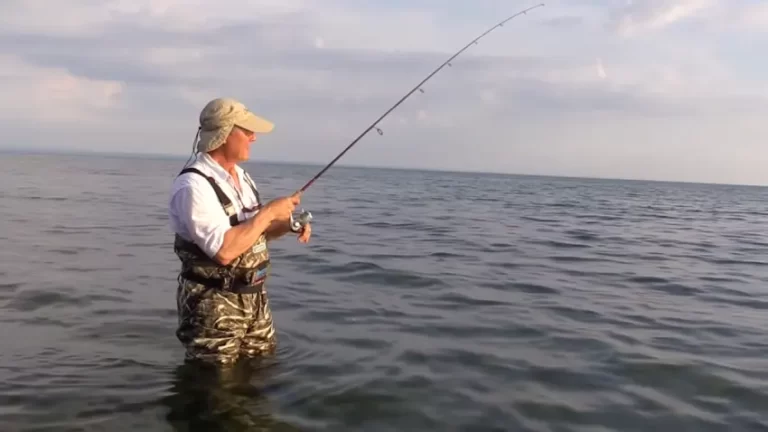
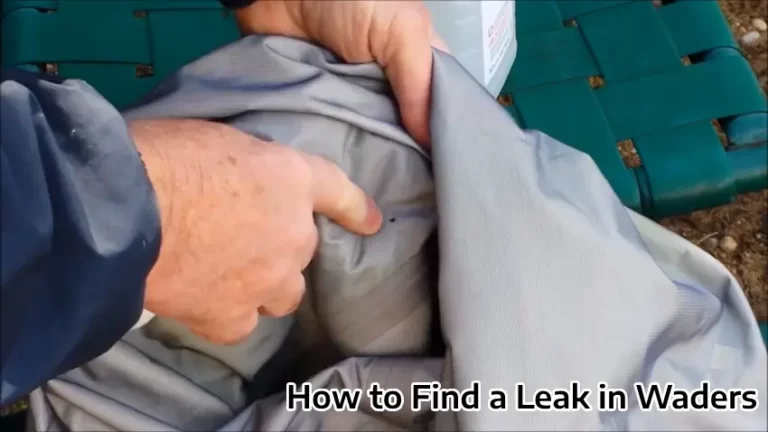
Proper maintenance and waterproofing old waders can enhance your gear’s durability and functionality during night fishing trips.
Why Is Harvesting Invasive Bowfishing Species Encouraged?
Because invasive species disrupt Florida’s aquatic ecosystems and outcompete native wildlife, the state actively encourages their harvest through bowfishing.
Invasive species threaten Florida’s waters, so harvesting them via bowfishing helps protect native wildlife.
By removing species like snakeheads, plecostomus, and other noxious exotics, you help restore ecological balance, protect native populations, and reduce damage to habitats.
These invasives consume resources aggressively, threatening biodiversity and altering food webs.
Florida’s Fish and Wildlife Conservation Commission supports unrestricted harvest of these species, recognizing bowfishing as an effective control method.
When you target invasives, you contribute to managing their populations without regulatory constraints, promoting healthier waterways.
This approach aligns with conservation goals by mitigating invasive impacts while allowing you to engage in bowfishing responsibly and legally under Florida’s established guidelines.
In addition, species such as peacock bass have been introduced to Florida waters to help control invasive fish populations like tilapia, demonstrating the state’s strategic use of predatory fish species in ecosystem management.
Compliance Tips for Bowfishing in Florida
To make certain you stay within Florida’s bowfishing regulations, prioritize obtaining the correct fishing licenses for the species and waters you intend to fish.
Familiarize yourself with legal species, equipment standards, and prohibited zones before you start. Follow these compliance tips to avoid violations:
- Carry a valid freshwater or saltwater fishing license, or verify exemption status.
- Use only approved equipment: barbed arrows attached by line and permitted lights at night.
- Avoid bowfishing within 100 yards of public beaches, piers, and bridges.
- Target only legal species; invasive species harvest is encouraged but observe bag limits on game fish.
- Respect local restrictions, especially in protected springs, sanctuaries, and specified county waters.
Adhering to these guidelines guarantees you fish responsibly and lawfully in Florida. Additionally, consider using appropriate leader materials to improve your fishing efficiency and reduce line breakage during bowfishing.
Frequently Asked Questions
Can Children Bowfish Without a License in Florida?
You generally don’t need a license to bowfish in Florida if you’re under 16, as minors are often exempt from freshwater or saltwater fishing license requirements.
However, you must comply with specific local regulations and species restrictions. Always verify current rules with the Florida Fish and Wildlife Conservation Commission before bowfishing, since exemptions and permitted activities can vary by location and species targeted.
Responsible adherence guarantees legal and safe bowfishing practices.
Are There Seasonal Restrictions for Bowfishing Certain Species?
You might expect seasonal restrictions, but Florida generally allows bowfishing year-round for most species.
However, you must be cautious with game fish, which often have creel limits and may require pole-and-line methods instead.
Pay close attention to protected species and specific local prohibitions, especially in sensitive habitats.
Always review the latest updates from the Florida Fish and Wildlife Conservation Commission to make certain your bowfishing activities comply with current regulations.
Is Bowfishing Allowed From Boats or Only Shorelines?
You can bowfish from boats as well as shorelines in Florida. The regulations don’t restrict bowfishing to shore-only activities.
However, you must make sure your equipment complies with FWC standards and avoid prohibited areas like public swimming beaches, fishing piers, and certain county waters.
Always carry the appropriate freshwater or saltwater fishing license unless exempt. Following these rules helps you bowfish legally and responsibly from any vantage point on the water.
Can Bowfishing Equipment Be Used in Private Waters?
You can use bowfishing equipment in private waters, provided you have permission from the property owner.
Be aware that all state regulations concerning equipment standards, species legality, and prohibited areas still apply regardless of ownership.
Make sure your arrows meet FWC requirements and avoid restricted zones near public areas.
Always comply with licensing and local ordinances to avoid legal issues while bowfishing on private property.
Are Catch and Release Practices Common in Florida Bowfishing?
You might expect catch and release to be common, but in Florida bowfishing, it’s actually quite rare.
This coincides with the sport’s focus on invasive and non-game species, where harvest is encouraged to control populations.
Since bowfishing often targets species like gar and snakeheads, releasing them defeats the purpose.
Aim True, Fish Fair: Bowfishing Florida’s Waters Responsibly
Finding your way through Florida’s bowfishing laws guarantees you cast with confidence beneath the moonlit waters. By securing the right licenses, respecting species regulations, and knowing where and when you can fish, you protect both yourself and the ecosystem.
Picture the thrill of a well-aimed shot, balanced by responsible harvests that help control invasive species. Stay informed and compliant to make every bowfishing trip not just exciting, but sustainable and lawful in Florida’s diverse waterways.