What to Take Deep Sea Fishing? A Complete Gear Checklist
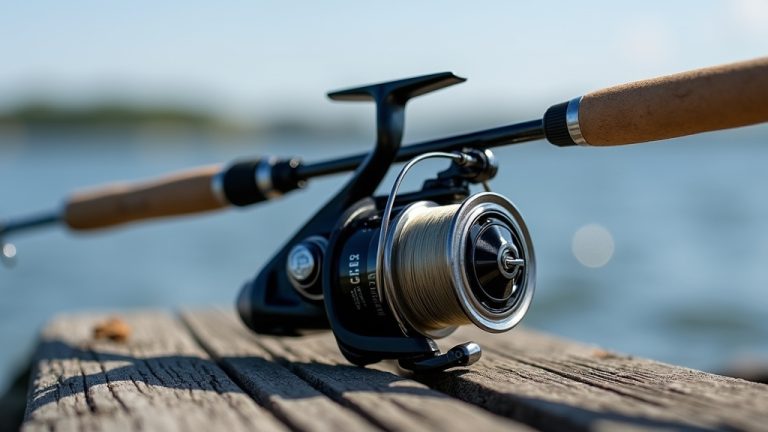
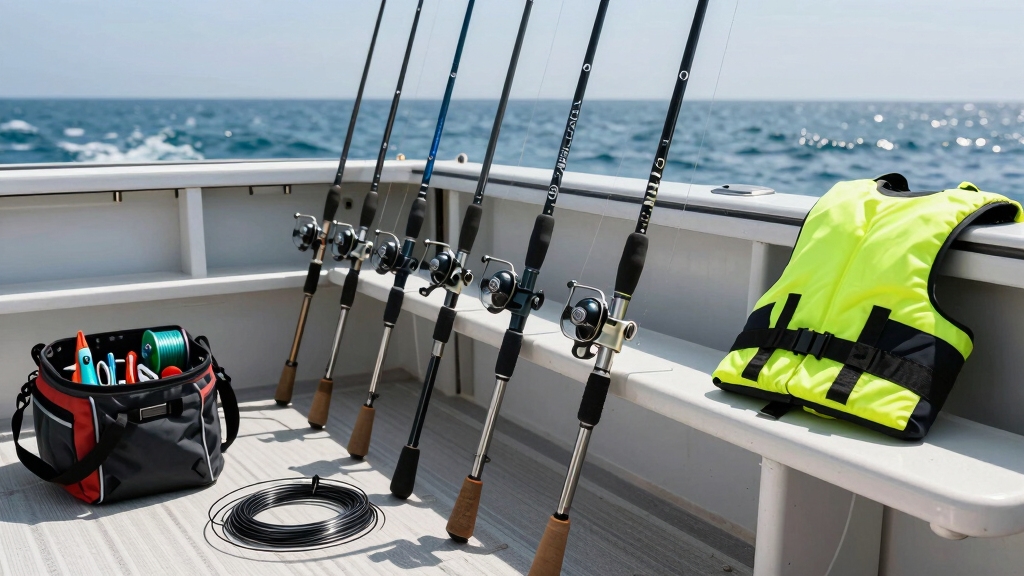
When you head deep sea fishing, bring medium-heavy rods (7–8 ft) paired with corrosion-resistant reels spooled with braided line and fluorocarbon leaders.
Pack durable pliers, line cutters, and dehooking tools for catch management.
Wear UPF 50+ clothing, polarized sunglasses, and a wide-brim hat to shield from sun and salt spray.
Stay hydrated with refillable bottles and bring electrolyte-rich snacks.
Don’t forget your safety gear, GPS, communication devices, and all required permits.
A well-prepared kit guarantees you tackle offshore challenges with confidence and precision.
Key Takeaways
- Bring medium-heavy, fast-action rods and corrosion-resistant reels sized 4000–6000 for durable, sensitive deep sea fishing gear.
- Pack insulated coolers with ice packs and vacuum-seal fillets to keep your catch fresh and safe for consumption.
- Carry properly sized PFDs, a registered PLB, VHF radio, and GPS/chartplotter for safety, communication, and navigation.
- Ensure you have all required fishing licenses, permits, vessel documentation, and keep them visible onboard to comply with regulations.
- Wear UPF 50+ moisture-wicking clothing, wide-brim hats, and UV gloves for sun protection and personal comfort during the trip.
Essential Fishing Gear for Offshore Adventures
Selecting the right rods and reels is crucial for offshore fishing success, as you need equipment that resists saltwater corrosion and handles large, powerful fish.
Choose a medium-heavy rod, 7-8 feet long, crafted from graphite or fiberglass for durability and reduced fatigue. Fast action rods offer sensitivity and quick hook setting, while slow action rods provide strength during prolonged fights. Reels like the Daiwa BG are favored for their smooth operation and modern design, enhancing the fishing experience.
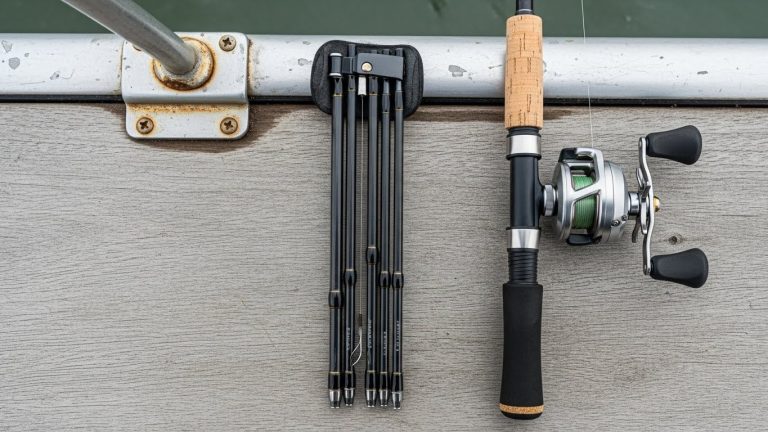
Pair these with spinning reels sized 4000-6000 or heavy-duty conventional reels able to hold 80-lb test line and maintain a 50-lb drag. Use braided line combined with fluorocarbon leaders for strength and abrasion resistance.
Additionally, selecting reels with corrosion-resistant construction such as anodized aluminum or stainless steel greatly extends the lifespan of your gear in harsh saltwater conditions.
Equipping yourself with this precise setup guarantees you can effectively target various offshore species while maintaining control and durability in harsh marine environments.
Safety and Health Items to Bring Along
While having the right fishing gear guarantees you can handle offshore challenges, your safety and health depend on bringing the proper protective equipment and supplies. Always carry a correctly sized Personal Flotation Device (PFD) per person, plus throwable flotation devices for boats over 16 feet. It is also recommended to carry both a registered Personal Locator Beacon (PLB) and a subscribed satellite tracker clipped to clothing for redundancy and improved chances for timely rescue. Understanding offshore wind conditions can help you determine whether it is safe to head out on your trip.
Equip your vessel with Coast Guard-approved visual distress signals like LED strobes and flares. A thorough first aid kit, seasickness remedies, and gloves are essential for health management. Don’t forget communication tools; VHF radios, waterproof cases, and backup batteries ensure reliable contact.
| Category | Essential Items | Purpose |
|---|---|---|
| Flotation & Rescue | PFDs, throwable devices, life rings | Prevent drowning, aid recovery |
| Signaling Devices | Flares, LED strobes, whistles | Emergency visibility and alerts |
| Health & Communication | First aid kit, VHF radio, seasickness meds | Injury treatment, contact, comfort |
Clothing Choices for Sun and Weather Protection
Because prolonged exposure to sun and varying weather conditions can impair performance and health during deep sea fishing, you need clothing that offers both effective protection and functional comfort.
Start with UPF 50+ rated garments made from moisture-wicking, quick-dry fabrics that block 98% of harmful UV rays while maintaining breathability and mobility. Many products in the Whitewater collection feature UPF-rated shirts, hoodies, neck gaiters, and gloves designed specifically for sun protection during fishing. Layering is essential; use lightweight base layers in hot sun and insulated options for cooler conditions. Choosing moisture-wicking fabrics helps keep you dry and comfortable throughout your fishing trip.
Incorporate protective accessories like neck gaiters, wide-brim hats, and UV gloves to shield exposed skin areas.
Key clothing considerations include:
- Breathable, stretch fabrics with ventilation for airflow and full range of motion.
- Light-colored, quick-dry materials to reflect sunlight and reduce heat absorption.
- Practical features such as multiple secure pockets, adjustable cuffs, and antimicrobial treatments for sustained comfort.
Hydration and Nutrition Essentials
Although deep sea fishing demands focus and stamina, staying properly hydrated and nourished is critical to maintaining physical performance and cognitive function throughout the trip. Proper hydration also helps regulate body temperature and prevents fatigue during long hours under the sun.
Bring a refillable, spill-resistant water bottle and drink fluids frequently to prevent dehydration, especially under sun exposure. It is also important to bring your own water or beverage as charters may not provide drinks.
Pack balanced snacks rich in carbohydrates and protein for sustained energy. Storing perishables in a small cooler with ice packs helps maintain freshness and prevents spoilage.
Use a small cooler for perishables and avoid alcohol, which impairs hydration.
Accessories for Managing Your Catch
When you’re out fishing, having the right tools can make all the difference. You definitely want to have specialized accessories like landing nets and lip grippers on hand. These help you handle larger fish securely and keep them from getting injured. It’s all about being gentle and respectful to your catch! Choosing the right reel size can also improve your ability to manage bigger fish effectively.
Now, once you’ve caught your fish, proper storage becomes super important. Using insulated fish bags or coolers filled with ice is a great way to keep your catch fresh while you enjoy your day on the water. Trust me, nothing beats that fresh taste when you bring it home!
It is also wise to bring a basic tool kit to handle any unexpected equipment repairs, ensuring your fishing trip goes smoothly without interruption.
Essential Catch Handling Tools
Frequently overlooked, essential catch handling tools drastically improve your efficiency and safety when managing your deep-sea haul.
Proper selection and use of these tools minimize fish injury and protect your hands while speeding up processing. Ensuring your gear stays clean and functional through regular maintenance, like cleaning felt wading boots, extends its lifespan.
1. Dehooking Tools: Utilize long-handled models to remove hooks swiftly without taking fish aboard.
This reduces stress and handling time.
Shorter tools work best for quick hook removal before storing fish on ice.
Even needle-nose pliers serve as reliable alternatives.
2. Pliers and Wire Cutters: Choose corrosion-resistant stainless steel or titanium pliers for hook extraction, wire cutting, and rig adjustments.
Split-ring and crimping pliers enhance tackle maintenance and big-game rigging precision.
Best pliers include integrated line cutters and wire-forming indentations, adding versatility to your toolkit. integrated line cutters
3. Line Cutters: Deploy compact line nippers and braid scissors with replaceable blades for precise trimming and efficient tag-end removal during rig tying and spool management.
Proper Fish Storage Methods
When managing your deep-sea catch, maintaining rapid cooling and precise temperature control is critical to preserving freshness and quality.
Use insulated coolers or soft-sided bags with ice packs, keeping fish immersed in an ice-water slurry to prevent texture damage.
Drain meltwater frequently to avoid soaking. Vacuum-seal fillets individually, removing excess air to slow spoilage and extend freezer life up to six months. Proper packaging techniques, such as secure sealing and labeling, help maintain quality during transport.
For best results, use a really good sharp knife when initially preparing fish before storage.
Store sealed fish promptly in coolers or freezers. Prevent contamination by gutting and rinsing fish before storage, using barriers like plastic wrap, and separating species or sizes in distinct compartments.
Organize storage efficiently with modular containers, arranging fish evenly around cooling elements to eliminate hot spots.
Carry extra ice and replenish regularly to sustain low temperatures, ensuring your catch remains in peak condition until you return to shore.
Electronics and Navigation Devices
Among the critical tools for deep sea fishing, electronics and navigation devices guarantee accurate positioning, effective fish detection, and safe communication. You’ll rely on these devices to optimize your fishing experience and ensure safety offshore.
Electronics and navigation devices are essential for precise positioning, fish detection, and safe offshore communication.
1. Fish Finders and Depth Sounders: Utilize SONAR technology with adjustable transducer frequencies. Higher frequencies are for shallow water, while lower ones are for deep water.
Advanced models incorporate CHIRP, 3-D side-scan, and down-scan imaging for superior target resolution.
2. GPS and Chartplotters: Deliver precise navigation by integrating satellite positioning with digital nautical charts.
Features often include 3-D mapping, satellite weather updates, and fish finder connectivity.
3. Communication Devices: VHF radios provide essential long-range marine communication and emergency signaling.
Supplement these with satellite phones or personal locator beacons for remote coverage.
Make certain reliable power sources maintain continuous operation of all systems.
Modern portable sonar devices with multi-frequency CHIRP sonar enhance fish detection and bottom contour mapping, improving fishing success.
Important Documentation and Permits
Before you set off on your offshore adventure, it’s super important to grab the right fishing licenses. In California, every angler age 16 or older must buy a California fishing license for both freshwater and saltwater fishing. Make sure you check that you meet the age and residency requirements too. When filling out those permit applications, take your time to do it accurately. And don’t forget to send them in before the deadlines, especially if you’re planning a multi-day trip!
Oh, and one more thing—always remember to carry all your necessary documents with you on board and keep them in a spot where they’re easy to see. This way, you’ll stay in line with legal regulations and avoid any pesky penalties. Also, be aware of the risk of parasitic worms in wild-caught fish if you plan to keep your catch for consumption. Happy fishing!
Required Fishing Licenses
Although requirements vary by state and residency, obtaining the proper fishing licenses is essential to legally engage in saltwater fishing activities.
Most states mandate licenses for anglers aged 16 and older, with exemptions for minors, seniors, disabled individuals, and active-duty military personnel.
Residency status influences license eligibility and fees, with some states honoring out-of-state licenses under reciprocal agreements.
When preparing for deep sea fishing, make certain you:
- Acquire the basic saltwater fishing license covering fish, shellfish, and marine plants. In Florida, for example, the Saltwater Fishing License is required to take or attempt to take saltwater fish and other organisms.
- Obtain additional permits if targeting specific species or fishing in protected zones.
- Carry valid proof of licensing—electronic or physical—to present upon request.
Adhering to these requirements keeps your fishing experience compliant and hassle-free.
Permit Application Process
When preparing for deep sea fishing, you’ll need to secure various permits that depend on your trip’s scope and location. Apply well in advance; some require submissions 48 hours before departure. Vessel owners or operators usually must complete applications, often online through federal or state agencies like NOAA or local fishery offices. For example, an Atlantic HMS Angling Permit is required for vessels fishing for tunas, billfishes, swordfish, and sharks in federal waters. Understanding the line capacity regulations linked to your permit can help you avoid potential violations.
| Permit Type | Key Requirement |
|---|---|
| Multi-Day Fishing Trip | Submit ≥48 hours before departure; post onboard |
| High Seas Fishing (NOAA) | Vessel monitoring, observer carriage required |
| Federal Offshore Recreational | Online application; fees apply; permits valid for species possession |
Ensure you meet all conditions, including permit display and compliance with ecosystem protection mandates to avoid legal complications.
Carrying and Displaying Documents
Securing the correct permits is just one step in preparing for deep sea fishing. You also need to carry and display all necessary documentation onboard to comply with regulatory requirements.
Make certain your vessel holds valid U.S. Coast Guard documentation, including registration and safety compliance papers. Additionally, maintain permits and their supplementary documents as mandated by NOAA Fisheries.
Display emergency procedures and safety instructions prominently for easy access during inspections. The International Game Fish Association (IGFA) promotes ethical and sporting angling practices which should be reflected in your documentation and conduct.
Key documentation to carry and display includes:
- Vessel registration, safety certifications, and EPIRB registration proof.
- NOAA Fisheries permits, compliance reports, and fish catch documentation.
- Identification for all crew and passengers, including licenses and credentials for operators and captains.
Adhering to these requirements makes certain legal operation and facilitates smooth regulatory inspections at sea.
Protecting Your Valuables on the Water
To keep your valuables safe on the water, you need to equip yourself with specialized waterproof storage solutions and implement strict physical security measures.
Equip waterproof storage and enforce strict security to safeguard valuables while on the water.
Use waterproof bags or dry sacks for phones, wallets, and keys. Secure sensitive items in hard waterproof cases with tight seals.
Vacuum-sealed bags reduce bulk and protect against moisture. Store valuables in elevated compartments or rod lockers to minimize water exposure.
Physically secure items by locking rod holders and keeping valuables on your person in sealed pouches or life jacket compartments. Remember that life jackets/PFDs provide essential buoyancy and can serve as a secure place for small valuables.
Avoid wearing unnecessary jewelry. Maintain constant visual oversight, especially during docking.
Protect your gear with gloves, polarized sunglasses, and non-slip footwear to prevent accidental loss or damage.
Monitor weather changes closely and use waterproof phone cases. Rinse items with fresh water post-trip to combat salt corrosion.
Tips for Maintaining Comfort During the Trip
Frequently, comfort on a deep sea fishing trip hinges on appropriate clothing and sun protection choices. To maintain peak comfort, follow these precise guidelines:
- Wear lightweight, moisture-wicking fabrics with UPF protection, long sleeves, a hat, and polarized sunglasses to prevent sunburn and reduce glare. Bring an extra shirt and towel to manage sweat and salt spray.
- Use closed-toe, non-slip footwear designed for wet, slippery decks to promote stability and protect against sharp objects. Avoid casual sandals or flip-flops.
- Prevent seasickness by taking medication one hour before departure, staying hydrated with water, eating light snacks, and packing remedies for ongoing relief. Layer clothing and carry a lightweight rain jacket to adapt to varying weather and wind conditions. Also, be sure the boat you choose includes a restroom for comfort to enhance the overall enjoyment of your trip.
These steps guarantee sustained comfort and safety throughout your trip.
Frequently Asked Questions
What Is the Best Time of Year for Deep Sea Fishing Trips?
You’ll find the best deep sea fishing trips generally run from October to April, when seas are calm and species diversity peaks.
In Cozumel, target March through June for marlin and sailfish.
Southern Pacific Costa Rica shines December to March for sailfish and August to December for marlin.
Adjust your timing based on species; warm water months encourage marlin activity, while dry seasons bring baitfish closer, boosting your catch rates markedly.
How Do I Choose the Right Charter Company for Deep Sea Fishing?
Did you know 78% of anglers rate captain expertise as the top factor when choosing a charter? To pick the right company, verify the captain’s credentials, local knowledge, and fishing logs.
Inspect vessel maintenance and gear quality, ensuring safety compliance and insurance. Check for all permits and legal compliance, plus positive, recent customer reviews.
Prioritize charters offering personalized trips and excellent communication for a seamless, successful fishing experience.
Can I Bring My Own Bait or Lures on a Deep Sea Fishing Trip?
You can usually bring your own artificial lures on a deep sea fishing trip.
However, most charters prohibit personal live bait to prevent ecological risks and comply with regulations.
Confirm with your charter company beforehand, as policies vary.
Live bait requires proper containment and may be restricted by law.
Using charter-provided bait simplifies compliance and reduces hassle.
Personal lures offer familiarity and targeting advantages without regulatory complications.
What Types of Fish Are Commonly Caught in Deep Sea Fishing?
You’ll commonly catch billfish like swordfish, marlin, and sailfish, prized for their size and fight.
Tuna species, including Atlantic Bluefin and Yellowfin, are frequent targets due to their speed and market value.
Snappers such as Queen and Yelloweye, plus groupers like Yellowedge, inhabit deep reefs and rocky bottoms.
Fast pelagic fish like wahoo and skipjack tuna also appear.
In abyssal zones, bioluminescent species like viperfish and anglerfish dominate, though less typical for sport fishing.
How Do I Handle Seasickness During an Extended Fishing Expedition?
Picture the horizon steady as you breathe deeply, letting fresh air soothe your senses.
To handle seasickness, take motion sickness meds like Dramamine an hour before departure.
Keep your stomach light with bland meals, stay hydrated, and avoid alcohol.
Use acupressure wristbands or ginger supplements for added relief.
Keep your gaze fixed on distant points and move gently.
Rest well beforehand and avoid confined spaces to minimize nausea during your fishing expedition.
Turn Planning Into Results With the Right Deep Sea Fishing Gear
As you prepare for deep sea fishing, balancing essential gear with personal comfort transforms your trip from chaotic to controlled.
While your tackle box holds precision tools for the catch, your hydration and sun protection safeguard your well-being against harsh elements.
Navigational electronics guide you through vast waters, yet it’s your careful planning and permits that anchor legality and safety.
This harmony between preparation and environment guarantees a successful, secure, and unforgettable offshore adventure.